

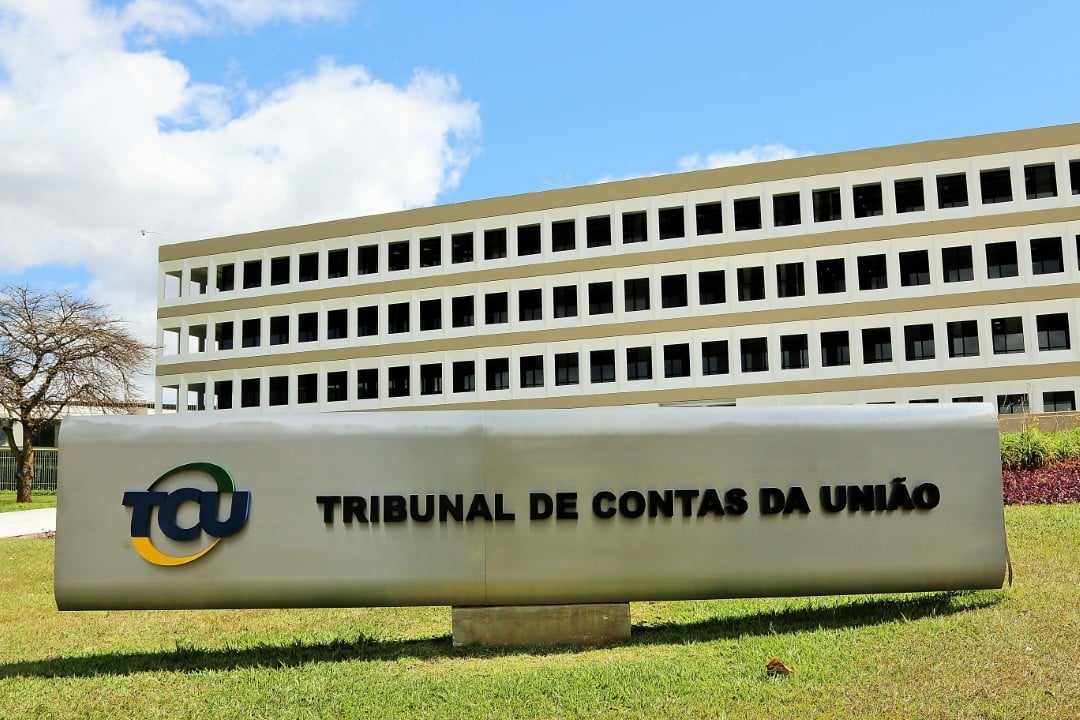
Minister Jhonatan de Jesus emphasizes TCU technical findings on Banco Master are not final decisions
Minister Jhonatan de Jesus of Brazil’s Federal Court of Accounts (TCU) issued a public statement on Saturday, February 10, clarifying that a preliminary technical report from the agency should not be misconstrued as the court’s definitive stance. The report, which suggested the Central Bank (BC) acted correctly in the liquidation process of Banco Master, represents an initial assessment rather than a final judgment. As the rapporteur for the ongoing investigation, Minister Jesus underscored the procedural distinctions, asserting that while technical opinions are crucial, the ultimate decision rests with the TCU’s collegiate body. The clarification aimed to provide transparency regarding the ongoing and sensitive scrutiny of the Central Bank’s actions in a high-profile case.

The preliminary assessment originated from a review of the Central Bank’s own responses submitted to the TCU late last year. It is critical to understand that this initial evaluation was conducted without access to the primary documentation surrounding the Banco Master liquidation. This limitation is a key factor in the minister’s emphasis on the preliminary nature of the findings, indicating a need for more comprehensive data before any conclusive judgment can be made by the court. The confidentiality surrounding the entire investigation, mandated by the rapporteur himself, further highlights the delicate balance between public information and judicial process.
Distinction between technical assessments and court decisions
Jhonatan de Jesus’s statement sought to draw a clear line between the internal workings of the TCU and its final, binding rulings. He explicitly noted that expert opinions and analyses from the technical departments serve an instrumental purpose in guiding the court’s investigations but do not, by themselves, constitute the official judgment. This distinction is fundamental to the judicial process, ensuring that all available evidence and arguments are weighed before a formal decision is rendered by the collective body of ministers.
This separation is a standard operational procedure within the TCU, designed to maintain the integrity and impartiality of its adjudications. The technical areas are responsible for fact-finding and initial analysis, while the collegiate body provides the necessary oversight and decision-making authority. Such a structure prevents premature conclusions and ensures that the court’s final pronouncements are robust and legally sound, reflecting a thorough examination of all pertinent details.
The preliminary nature of the Banco Master findings
The report in question, which indicated the Central Bank’s actions in the Banco Master liquidation were appropriate, was explicitly labeled as preliminary. This descriptor is crucial, signaling that the findings are not yet conclusive and are subject to further review and potential revision. The initial assessment was based solely on information provided directly by the Central Bank, which inherently limits the scope and depth of the preliminary review, making additional investigative steps essential.
Crucially, the auditors within the court of accounts based their initial conclusions on a response submitted by the Central Bank late last year. This highlights the foundational stage of the investigation, where responses from involved parties are first reviewed. While providing an early indication, such a review is a stepping stone rather than a definitive resolution, necessitating further collection and analysis of broader evidence.
Basis of the initial evaluation and lack of primary documents
A significant point of concern highlighted by Minister Jesus is that the preliminary report was compiled solely on the basis of the Central Bank’s submitted response. This procedural limitation meant that the technical areas did not have access to the primary documentation integral to the liquidation process. Such original records are vital for a complete and accurate understanding of the events and decisions that led to Banco Master’s liquidation, underscoring the report’s non-conclusive status.
The absence of primary documentation in the initial review is a key reason why the report is considered preliminary and not definitive. Full access to all relevant records, including internal communications, financial statements, and operational procedures, would be required for a comprehensive audit. Without these foundational documents, any conclusions drawn remain provisional, awaiting more in-depth verification and scrutiny by the court’s full body.
Evolution of the investigative process and inspection proposal
Following the preliminary assessment, the technical unit of the TCU recognized the need for a more comprehensive review. Consequently, it proposed conducting an on-site inspection at the Central Bank. This measure, a common practice within the Tribunal, is designed to “qualify the analysis before any conclusive judgment” by allowing auditors direct access to information and processes at the source. Such inspections are routine steps taken to deepen understanding and ensure the factual accuracy of ongoing investigations.
Minister Jesus had initially authorized this on-site inspection on the preceding Monday, February 5. This authorization marked a critical progression in the investigative timeline, signaling the TCU’s intent to move beyond a desk review of submitted documents. The proposed inspection would allow auditors to examine records firsthand, interview relevant personnel, and gain a more granular understanding of the Central Bank’s decisions and actions in the Banco Master case.
Central Bank’s appeal and the plenary’s upcoming review
Despite the authorization, the on-site inspection was subsequently suspended. On Thursday, February 8, Minister Jesus granted a request from the Central Bank, effectively pausing the inspection until a decision by the full plenary of the TCU. This move redirects the procedural next steps, placing the decision to proceed with the inspection, or to consider alternative investigative methods, in the hands of the collegiate body. The Central Bank’s appeal underscores the contested nature of the investigation and the importance of due process at every stage.
This development means that the immediate future of the investigation into the Banco Master liquidation now awaits a broader discussion and vote among all TCU ministers. Such a decision by the plenary ensures that any investigative steps, especially those involving direct interaction with a scrutinized entity like the Central Bank, are undertaken with the full consensus and collective wisdom of the court. It reflects the layered approach to governance and oversight inherent in the TCU’s mandate, balancing speed with thoroughness and judicial propriety.
Broader context and the rapporteur’s oversight
The investigation into the Banco Master liquidation is part of the TCU’s broader mandate to audit public funds and ensure the legality and efficiency of federal administrative actions. Minister Jhonatan de Jesus, as the rapporteur, plays a pivotal role in guiding this complex process, overseeing the collection of evidence, directing technical analyses, and ultimately presenting his findings and recommendations to his fellow ministers. His actions and statements are integral to the court’s capacity to uphold accountability within Brazil’s financial system.
The ongoing scrutiny of the Central Bank’s actions in this specific liquidation holds significant implications for regulatory oversight and financial stability. The detailed examination by the TCU aims to provide transparency and ensure that all procedures were followed correctly and in accordance with established regulations. This meticulous approach is essential for maintaining public trust in financial institutions and regulatory bodies, emphasizing the importance of independent auditing.
Maintaining procedural integrity
The minister’s public clarification reinforces the TCU’s commitment to procedural integrity and a methodical approach to complex cases. By distinguishing between preliminary technical reports and final court decisions, the institution ensures that its judgments are founded on comprehensive evidence and collective deliberation. This careful process is fundamental to the credibility and authority of the Federal Court of Accounts in its role as a key oversight body.
TCU, Banco Central, Jhonatan de Jesus, Banco Master, Central Bank liquidation process