
Fever and flu pain: understand when to use paracetamol or ibuprofen safely By Bruna
4 min read
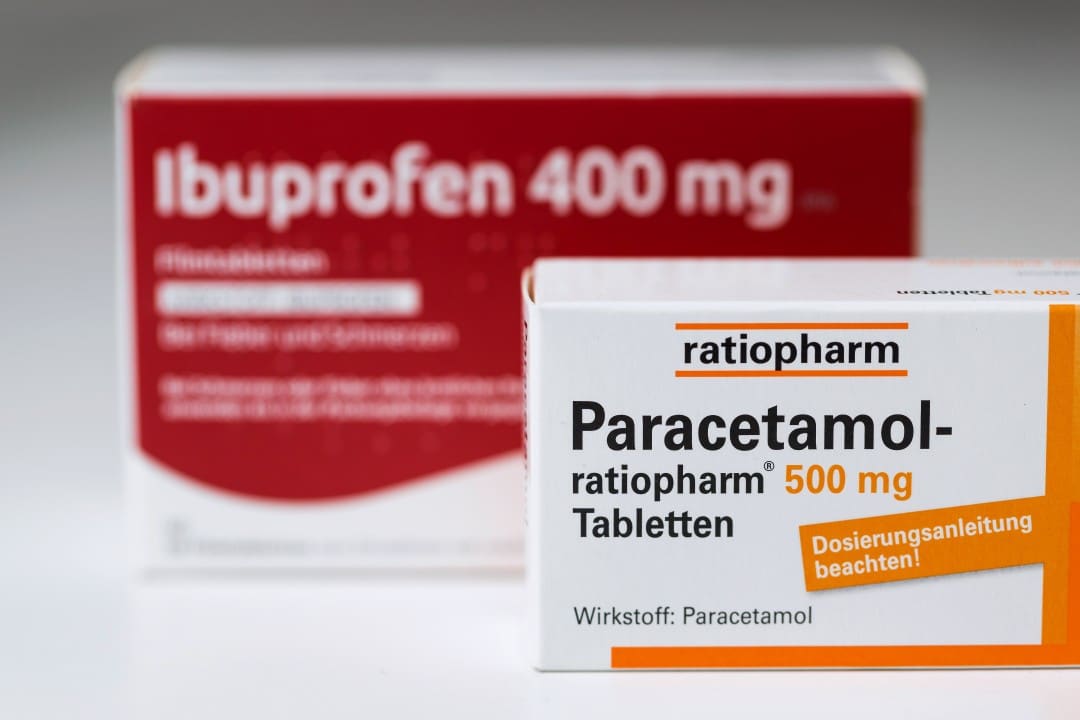 |
The flu season sees a significant increase in cases in several regions of Brasil at the beginning of 2026. Milhares of people seek relief from symptoms such as high fever, body aches and general malaise. Paracetamol and ibuprofen appear as common options for controlling these discomforts.
Specialists in infectious disease and pharmacology advise that the choice between medications depends directly on the predominant symptoms. Ambos act effectively in symptomatic management, without curing the virus, but improving quality of life during the recovery period. Medical consultation remains essential for personalized recommendations.
Paracetamol stands out for its central action in controlling fever and mild to moderate pain. Já ibuprofen offers additional benefit in cases of more obvious inflammation.
Most common flu symptoms
The flu manifests itself through symptoms that affect the respiratory system and general well-being. Febre above 38°C occurs in most cases, accompanied by chills and sweating. Dores intense muscular movements complete the initial picture.
Dry cough and sore throat also appear regularly among those infected. Fadiga extreme prevents routine activities for consecutive days. Coriza and nasal congestion complement the typical signs of viral infection.
- Persistent fever above 38°C
- Generalized pain in the body and joints
- Dry, irritating cough
- Intense fatigue and prostration
- Moderate to severe headache
These symptoms last an average of three to seven days in most healthy adults. Adequate hydration and rest accelerate the body’s natural recovery.
Mechanism of action of medications
Paracetamol acts directly on the brain’s thermoregulatory center, reducing the perception of fever. Essa fast action makes it a frequent choice for thermal control in viral infections. The medication does not significantly interfere with peripheral inflammatory processes.
Ibuprofen inhibits enzymes responsible for the production of prostaglandins throughout the body. Essa property provides an anti-inflammatory effect in addition to analgesic and antipyretic. Therefore, it provides more complete relief in pain associated with inflammation.
Both drugs have good oral absorption and onset of action within one hour. The duration of the effect varies from four to six hours, requiring regular doses as per medical advice.

Specific indications for paracetamol
Paracetamol is preferred when fever represents the main symptom of the flu. Sua high gastric tolerance benefits patients with a history of digestive problems. The standard dosage for adults is up to 4g daily.
Children and the elderly use the medicine safely in doses adjusted by weight or age. Gestantes rely on it as a first-line option in cases of viruses. The lack of effects on platelets reinforces its indication in several groups.
The drug effectively controls headaches and general malaise common in the flu. Sua availability in liquid forms facilitates administration in different age groups.
Advantages of ibuprofen in cases of flu
Ibuprofen demonstrates superiority when intense muscle pain predominates in the flu. Sua anti-inflammatory action reduces discomfort in joints affected by the immune response. Adultos tolerate a dose of 400mg every eight hours well.
Patients with marked inflammatory symptoms in the airways obtain additional benefit. The medicine controls local swelling that worsens the sensation of pain. Atletas and physical workers report faster return to activities.
Clinical studies indicate greater effectiveness in severe body pain compared to paracetamol alone. The controlled combination with other analgesics enhances results in refractory cases.
Side effects and contraindications
Paracetamol poses a hepatic risk in excessive doses or prolonged use. Pacientes with liver disease needs close monitoring. Álcool in excess increases liver damage during treatment.
Ibuprofen irritates the gastric mucosa with continuous use. Indivíduos with ulcers or gastritis avoid the medicine without gastric protection. Riscos cardiovascular diseases increase in hypertensive and elderly people.
Both drugs require caution in patients with chronic kidney disease. Interações medications occur with anticoagulants and antihypertensives. Careful reading of the leaflet guides responsible use.
Special care in vulnerable groups
Children under 12 years of age use doses calculated by body weight. Alternância controlled between paracetamol and ibuprofen occurs under pediatric guidance. Termômetros digital monitors help with accurate temperature monitoring.
Elderly people adjust doses to avoid accumulation in the body. Função Reduced renal function requires longer intervals between administrations. Vacinação annually remains the main preventive measure.
Pregnant women prefer paracetamol in the first trimesters. The third trimester restricts ibuprofen due to fetal risks. Lactantes consult specialists before taking any medication.
Complementary measures to treatment
Absolute rest accelerates immune recovery during the flu. Ambientes ventilation reduces viral concentration in the air. Constant Hidratação keeps mucous membranes moist and facilitates the elimination of secretions.
Light food rich in vitamins strengthens natural defenses. Inalações with saline solution relieves nasal congestion. Compressas warm on the forehead complements thermal control.
- Drink at least 2 liters of water per day
- Consume citrus fruits and fresh vegetables
- Avoid close contact with other people
- Wash hands frequently with soap and water
- Wear masks indoors if necessary
These practices enhance the action of medications and prevent complications.
When to seek medical care
Fever above 39°C persistent for more than three days requires professional evaluation. Dificuldade respiratory signals a possible pulmonary complication. Sinais of dehydration require immediate intervention.
Children with extreme prostration or food refusal need urgent care. Idosos with mental confusion indicates greater severity. Presença of chronic diseases worsens the flu.
Complementary tests identify secondary bacteria when necessary. Specific Antivirais enter confirmed cases of severe influenza. The public network offers care in basic health units.
The increase in flu cases in 2026 reinforces the importance of correctly managing symptoms. Paracetamol and ibuprofen continue to be pillars of medication relief. Proper choice speeds up recovery and prevents unnecessary complications.











