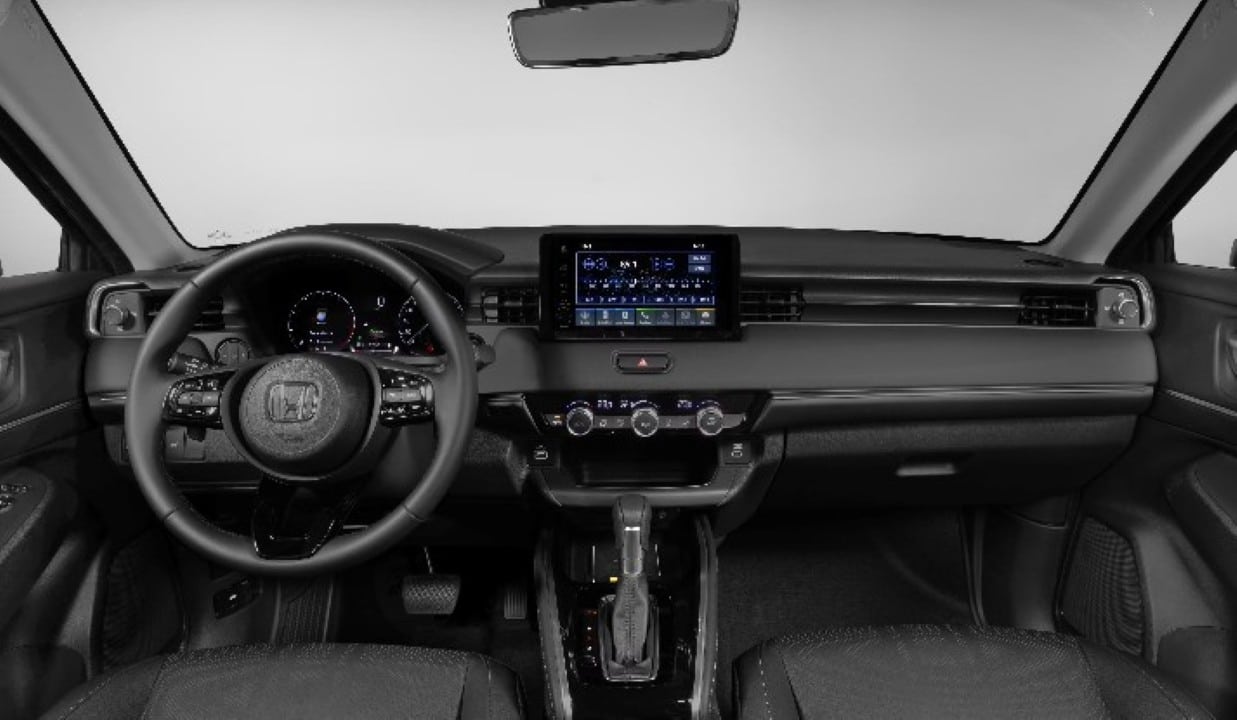
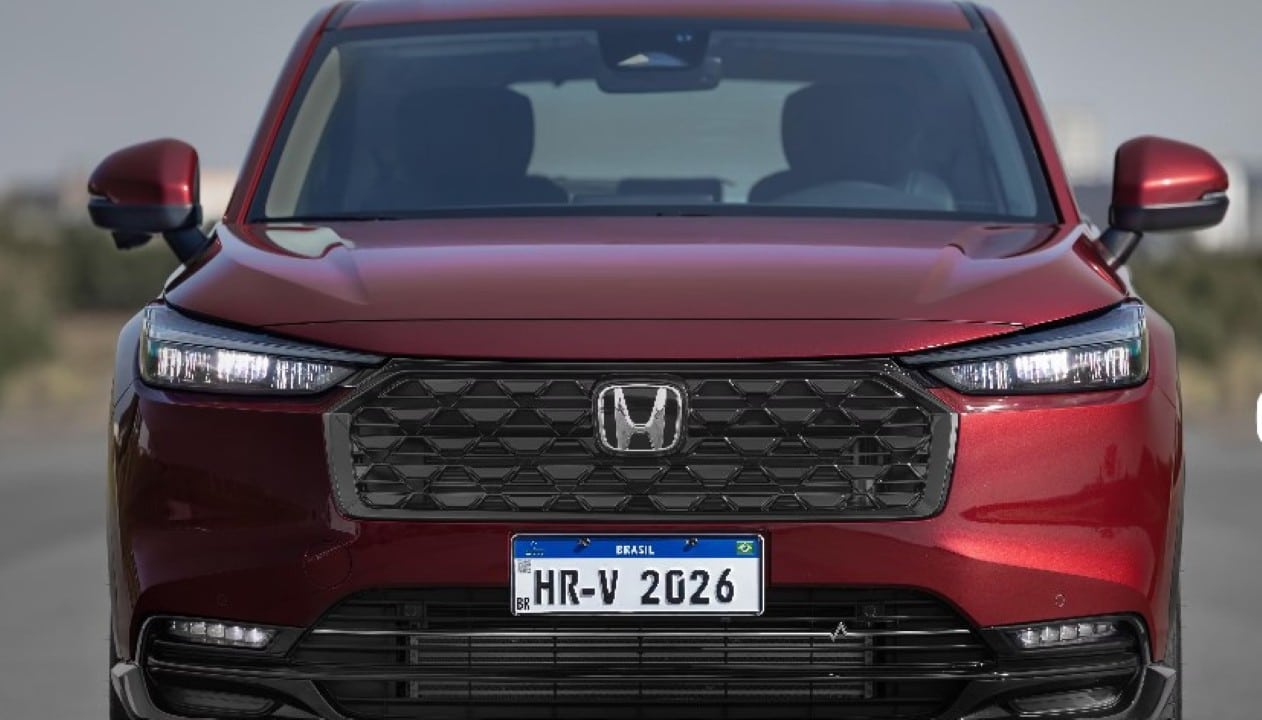
Honda HR-V combines sophisticated design with turbo engine but loses ground in technology and internal space


Honda HR-V combines sophisticated design with a turbo engine but loses ground in technology and internal space
Honda HR-V, compact SUV, automotive market, SUV competition, automotive technology
The Honda HR-V has established itself as one of the most desirable compact SUVs on the market, supported by the brand’s reputation for reliability and a design that attracts attention. In its current generation, the model has raised the aesthetic standard with lines that resemble a coupe and a bolder look. However, rapidly advancing competition has exposed some significant vulnerabilities in the SUV, creating a dilemma for consumers.
Despite its visual appeal and the well-known construction quality of the Honda, the HR-V faces challenges in crucial areas for the segment, such as onboard technology, cargo space and the absence of electrified engines. Essa combination of factors puts it in a delicate position compared to rivals that have evolved quickly, offering more complete packages and, in many cases, with a better cost-benefit ratio.
A detailed analysis of its strengths and weaknesses reveals a two-faced vehicle. On the one hand, a pleasant driving experience and a striking design; on the other, concessions in practicality and modernity that can weigh on the purchasing decision, especially for families and consumers more connected to new technological trends in the automotive sector.