
Honda HR-V’s bold design does not hide outdated technology and limited space against rivals


The Honda HR-V has established itself as one of the most coveted compact SUVs on the domestic market, supported by the brand’s solid reputation for reliability and a design that consistently attracts attention. In its most recent generation, the vehicle has improved its aesthetics with lines that evoke a coupe profile, giving it a more sophisticated and dynamic appearance compared to its direct competition.
Despite the strong visual appeal and renowned build quality of the Honda, the HR-V faces increasing challenges in areas crucial to the segment. The rapid evolution of competitors exposed vulnerabilities in aspects such as onboard technology, trunk load capacity and the lack of electrified engine options, placing the model in a position for careful analysis by the consumer.
An in-depth assessment of its strengths and weaknesses reveals a vehicle with two distinct facets. On the one hand, it offers a pleasurable driving experience and a striking design. Do another, presents concessions in practicality and modernity that can negatively influence the purchasing decision, especially for families and consumers who are more attentive to technological innovations in the automotive sector.
Coupe style and pleasant driving as differentiators
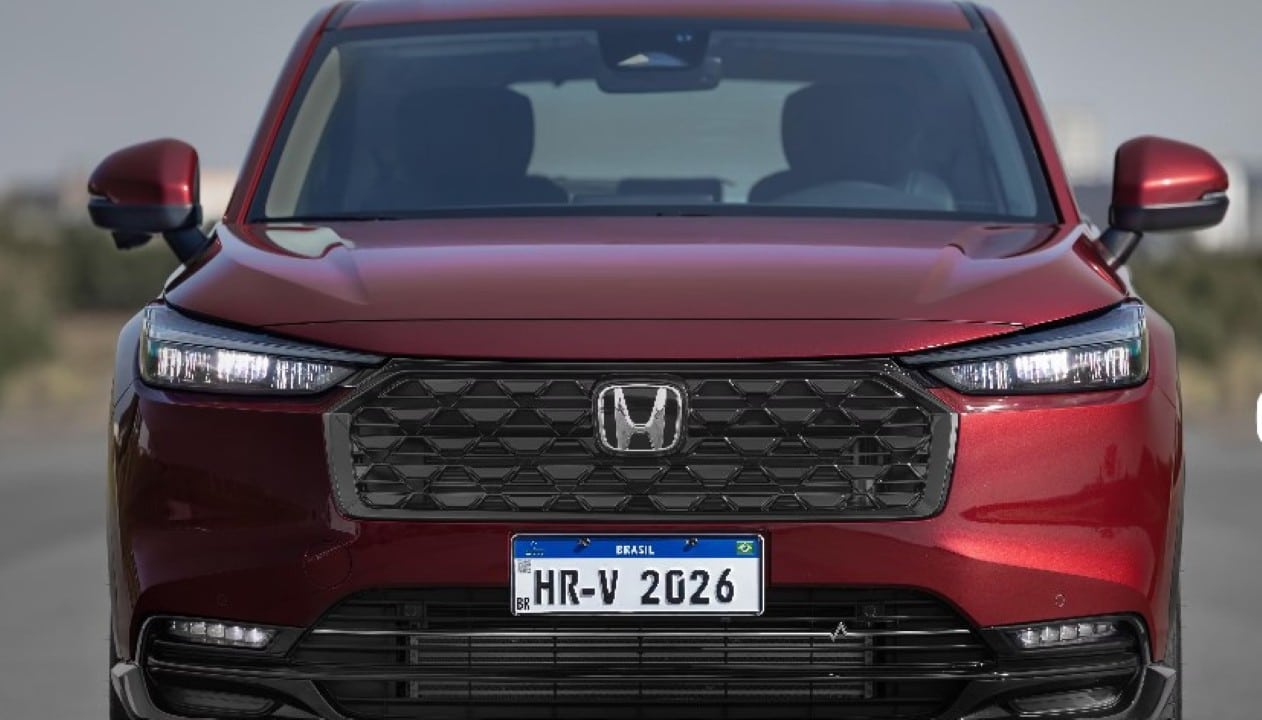
The main merit of the Honda HR-V lies in its aesthetics and driving experience. The exterior design is, without a doubt, one of the most sophisticated in the category, with an imposing front grille that integrates with the tapered full LED headlights, creating a unique and modern visual identity. The rear, with its integrated taillight that crosses the entire trunk lid, and the gently sloping roof, give the SUV a sporty coupe profile, differentiating it from most competitors with a more conservative look. Essa bets on a bold style that appeals to those looking for a car that stands out on the streets. Aliado to the design, the dynamic behavior is another high point. Equipado with the 1.5 turbo engine in the more expensive versions, the HR-V offers agile responses and a pleasurable drive, with a well-calibrated suspension that balances comfort and stability, conveying safety both in urban traffic and on highways. Precise electric steering and a high driving position complement the package, making the driving routine less tiring and more engaging, an attribute traditionally valued in the Japanese brand’s vehicles.
1.5 turbo flex engine performance
The Advance and Touring versions of the HR-V are equipped with the 1.5 VTEC Turbo Flex engine, which delivers 177 horsepower and 24.5 kgfm of torque. Estes numbers translate into vigorous performance, allowing accelerations and speed resumptions in an agile and safe manner. The model accelerates from 0 to 100 km/h in approximately 8.9 seconds, a competitive time that places it among the fastest in its segment, ensuring safe overtaking on highways and dynamic driving in the city.

This engine works together with a CVT automatic transmission that simulates seven gears. Honda carried out a refined adjustment for this transmission, which minimizes the sensation of excessive elasticity common in other CVTs, providing more linear and progressive acceleration. Para a more sporty drive, shifts can be carried out using paddles behind the steering wheel, which increases driver engagement. In terms of fuel consumption, the numbers are considered adequate for the power offered, but are not a highlight compared to competitors with equally modern or hybrid engines.
Advanced security with technological caveats
All versions of the HR-V come standard with the Honda Sensing safety and driver assistance package. The initiative to include items such as automatic emergency braking and lane keeping assistant from the entry-level version is an important differentiator and places the SUV at a good level of active safety in the segment.
However, the implementation of some of these technologies reveals a certain lag in relation to more modern systems. The Piloto Automático Adaptativo (ACC), for example, although it works correctly on the road, can present abrupt operation at low speeds or in urban traffic, with braking and acceleration less smooth than those of direct competitors.
Another point of attention is the lane keeping assistant (LKAS), which only comes into operation from 72 km/h. Essa limitation restricts its usefulness, as the system does not work in intense urban traffic scenarios, where more advanced systems are already able to keep the vehicle centered at lower speeds, increasing driver comfort and safety.
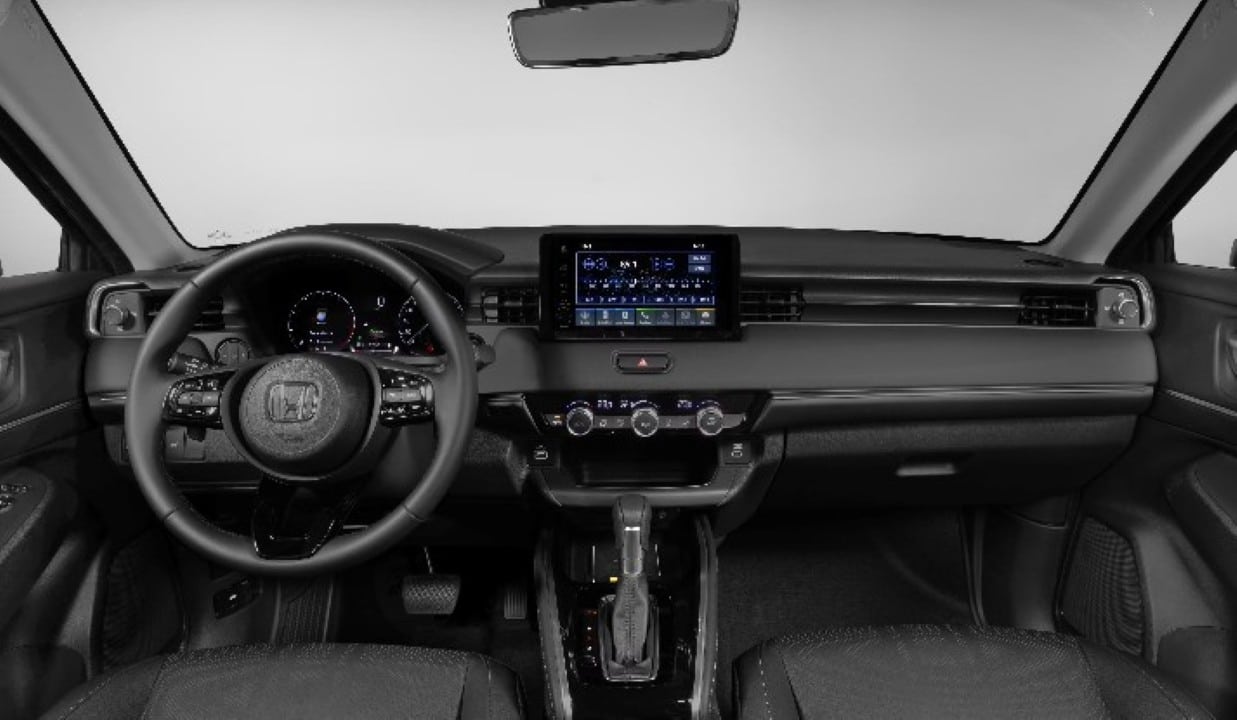
The multimedia center also represents a disadvantage. With an 8-inch screen, its interface is functional, but the system does not offer wireless mirroring for Android Auto and Apple CarPlay, requiring the use of cables. In a market where wireless connectivity and larger screens are becoming standard, this absence is noticeable and reinforces the perception that embedded technology is not the main focus of the model.
The critical limitation of the luggage compartment
One of the most criticized points of the Honda HR-V is, undoubtedly, its trunk. With just 354 liters of capacity, it is among the smallest in the compact SUV segment. Para families who need space for luggage when traveling or to transport bulky objects on a daily basis, this limitation can be a decisive factor in not purchasing the vehicle.
Although the Magic Seat seat folding system, exclusive to the Honda, offers remarkable versatility for transporting loads of different formats, it cannot compensate for the lack of gross volume in the cargo compartment, a primary need for many users in the category.
Direct confrontation with the main rivals
When placing the HR-V side by side with its rivals, the disadvantage in cargo space becomes evident. The Hyundai Creta offers 422 liters, the Nissan Kicks offers 432 liters and the Volkswagen T-Cross has 373 liters. Essa difference of almost 80 liters compared to some competitors is significant and directly impacts the practicality of the vehicle.
In addition to space, the HR-V also loses ground by not offering a hybrid engine option in the Brazilian market. Concorrentes like the Toyota Corolla Cross and models from Chinese brands, such as the GWM Haval H6 and the BYD
This combination of less space and the absence of a hybrid version makes the HR-V lose its appeal to a portion of the public that seeks not only style, but also versatility and modernity in terms of engines, making the competition a more balanced option.
Build quality and conservative interior
The interior of the HR-V reflects the build quality that the Honda is known for. The materials used on the dashboard and doors are of good quality, with plastics that are soft to the touch in the areas of greatest contact. The assembly of the parts is precise and there are no signs of burrs or unwanted noise, conveying a feeling of solidity and durability.
However, the cabin design, although functional, sounds somewhat conservative when compared to the bolder proposals of some rivals. The instrument panel mixes analog and digital elements in a simple way, but it needs a fully digital cluster, an item already present in several competitors, which offers greater modernity and customization possibilities.
Cost-benefit analysis
With prices starting from a high range and reaching even higher values in top-of-the-line versions, such as the Touring, the Honda HR-V positions itself as a premium product within the compact SUV segment. Ele delivers a good package of safety equipment and a competent turbo engine in the most expensive configurations, which justifies part of its value.
Price positioning and available versions
In the market, the HR-V’s pricing strategy puts it in direct confrontation with well-equipped versions of other SUVs that offer more technology and space. Essa Fierce competition requires consumers to carefully consider the attributes they value most in a vehicle in this category.
When considering the complete package, the cost-benefit ratio becomes questionable for the most rational consumer. The competition offers more space, updated connectivity and hybrid engines for a similar or lower price, making the choice for the HR-V, in many cases, a decision guided more by the emotional appeal of the brand and design than by the pragmatic analysis of its characteristics.



