
US seized Marinera oil tanker spotted in Scotland Moray Firth, UK government delivers vital aid

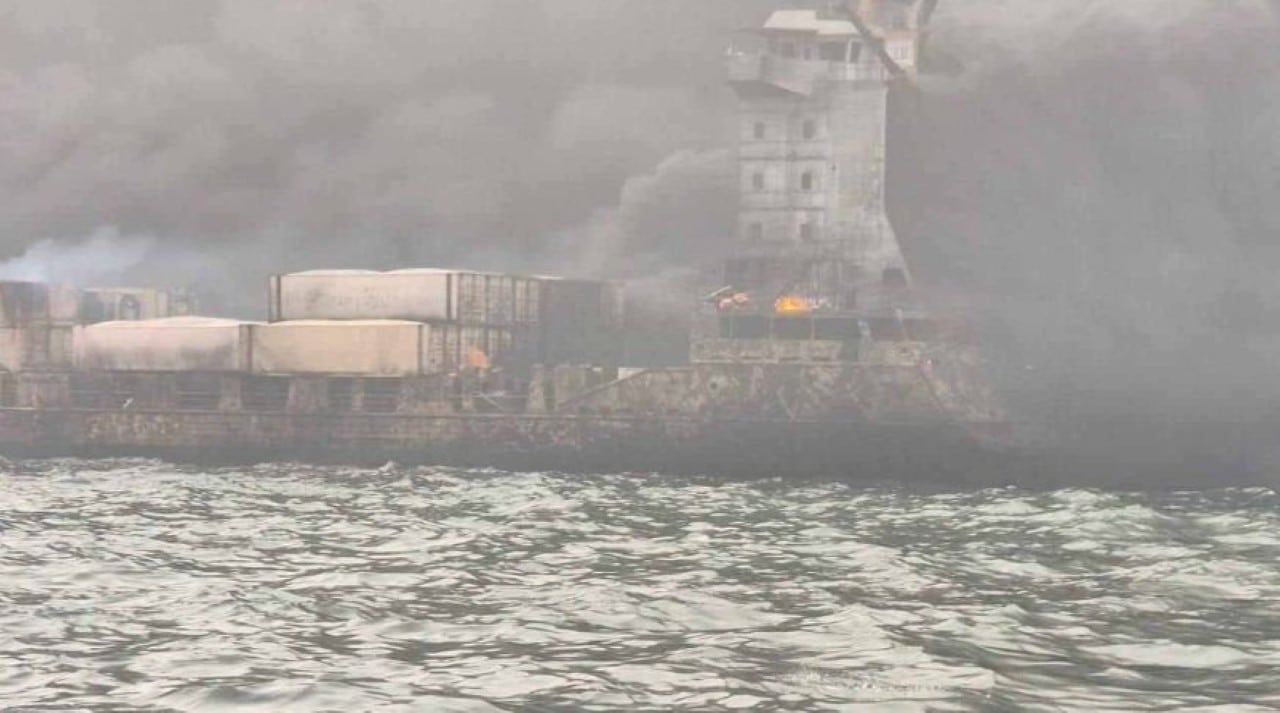
The Marinera, an oil tanker previously seized by the United States, was recently sighted in Scotland’s Moray Firth, initiating a focused humanitarian response from the UK government. Officials swiftly confirmed the provision of essential supplies, including food and water, to the vessel anchored within British territorial waters. This unexpected presence underscores the intricate intersection of international maritime law and state humanitarian duties. The tanker’s continued journey, under US custody, remains closely observed, reflecting broader geopolitical dynamics concerning maritime enforcement and compliance with global sanctions. Its temporary stop in the Moray Firth has drawn considerable international and local attention.
The tanker’s appearance follows its seizure by US authorities, a measure typically enacted for alleged violations of international sanctions. Specific details regarding these violations are subject to ongoing international legal processes.
The UK government clarified its involvement was strictly humanitarian, prioritizing the welfare of the crew. This aid provision aligns with established international maritime conventions mandating assistance to all vessels.
Vessel’s Moray Firth stop
Moray Firth, recognized for its sheltered depths, served as a temporary, secure anchorage for the Marinera. This location is strategically suitable for complex logistical operations, including safe resupply.
Local maritime observers first reported the tanker’s unique profile, leading to rapid official identification as the Marinera. Authorities quickly confirmed its presence and current status.
Seizure and international legalities
US authorities frequently seize tankers to enforce economic sanctions, especially those targeting illicit oil trade. These actions are integral to global efforts to curb specific activities.
International maritime law balances national sovereignty with humanitarian duties for vessels in distress or under custody. Adherence to these legal frameworks requires careful diplomatic engagement.
The UK’s provision of aid exemplifies this humanitarian obligation, ensuring crew welfare irrespective of disputes. It reinforces a fundamental principle of aiding mariners.
Resupply operations and safety
Supplying large tankers demands intricate logistical planning, involving specialized support vessels and trained personnel. All operations proceed under rigorous safety protocols.
Strict monitoring of transfer processes ensures efficient delivery and adherence to all safety regulations. Protecting the vessel’s integrity and cargo is paramount.
Environmental safeguards are crucial within the Moray Firth, a protected natural area. Contingency plans are routinely prepared for any potential incidents.
Multi-agency coordination between port authorities and the UK government is vital for seamless execution. This cooperation minimizes risks and optimizes resource deployment.
Marinera’s journey ahead
After resupply, the Marinera will continue its transit under US custody. The exact destination and future operational plans remain undisclosed, maintaining operational security. International maritime agencies will closely monitor its ongoing movement to ensure full compliance with legal mandates and safety protocols during its transit.
This Moray Firth incident highlights enduring challenges in maritime enforcement and the complexities surrounding sanction-implicated vessels. It serves as a reminder of global supply chain intricacies and the legal and humanitarian frameworks governing international waters.
Geopolitical context of tanker seizures
Tanker seizures like the Marinera’s are deeply rooted in broader geopolitical tensions, specifically concerning sanction enforcement against specific nations. These actions are part of global efforts to dismantle illicit trade networks financing activities deemed destabilizing. Such operations involve extensive intelligence and legal groundwork, reflecting significant diplomatic engagement. The implications extend to global oil markets and maritime insurance. This ongoing vigilance upholds international norms and prevents the circumvention of global financial and trade restrictions, demonstrating the expansive reach of international legal systems.
Global maritime security efforts
International maritime organizations and national coast guards consistently monitor shipping lanes, ensuring regulatory compliance and rapid incident response. This sustained oversight is essential for global trade and security.



