
Game of Thrones: The Knight of the Seven Kingdoms wins over critics with light humor and perfect chemistry between protagonists

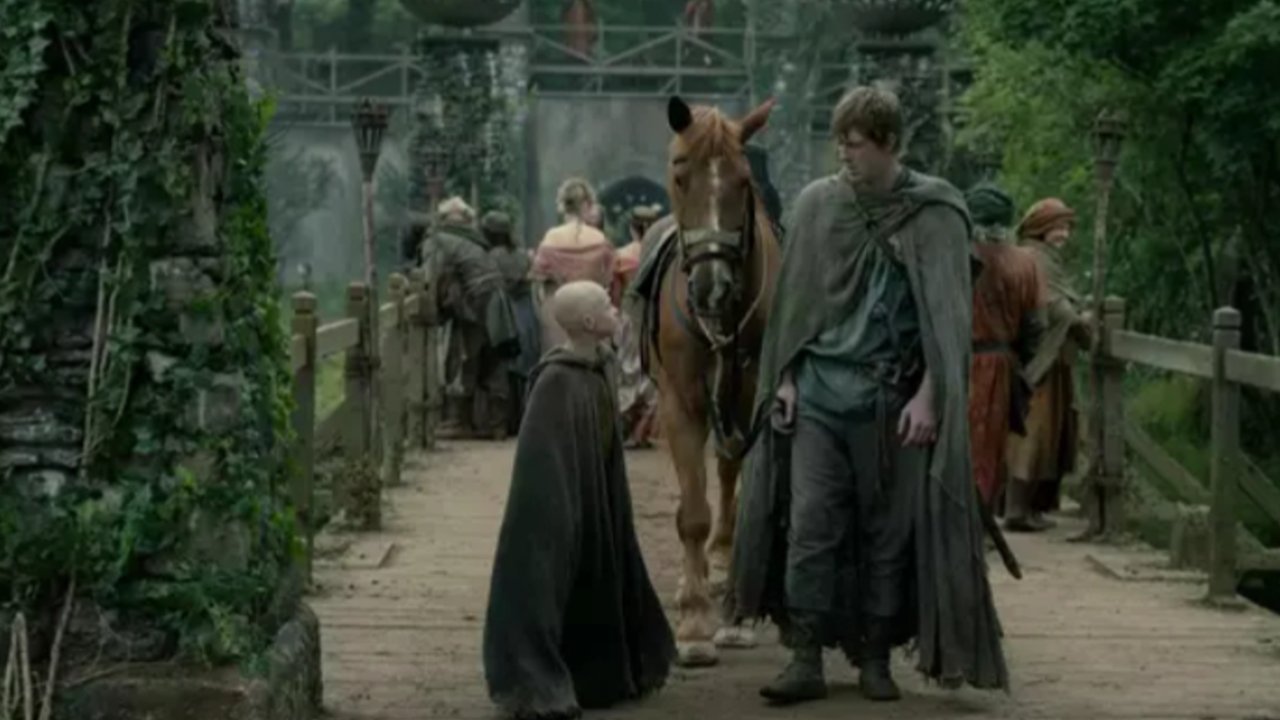
The series O Cavaleiro of Sete Reinos, a new spin-off from the universe of Game of Ambientada about a century before the events of the original series, the production follows the adventures of Ser Duncan, Alto, and his squire Egg, in a narrative that prioritizes human relationships and light moments. Críticos international films highlight the change in tone compared to previous productions, with shorter episodes and a greater focus on the common people of Westeros. The premiere takes place on January 18th on Estados Unidos on HBO and Max, arriving a day later in other territories via streaming. The production has already been renewed for a second season, signaling the platform’s confidence in the project.
The story centers on an inexperienced knight who seeks to make a name for himself in a medieval tournament. Ele ends up forming an unlikely partnership with a smart boy, creating a dynamic that mixes affection and mild antagonism. Essa’s more intimate approach differentiates the series from the epic plots filled with dragons and massive battles seen in House of the Dragon.
Episodes last an average of 35 minutes, allowing for a fast pace and focus on a single narrative line. Essa choice makes it easier to follow even for those who don’t know all the lore of the universe created by George R.R. Martin.
Main cast drives production success
Peter Claffey plays Ser Duncan, a tall, naive knight who has just lost his master. The actor, a former rugby player with little experience in leading roles, conveys authenticity to the character with an imposing physical presence and sincere expressions. Sua performance convinces by showing a man guided by ideals of chivalry in a harsh world.
Dexter Sol Ansell plays Egg, the small, intelligent squire who follows Duncan. The young actor, with significant previous work, creates a natural chemistry with Claffey, reminiscent of classic comedy duos. The two build a fraternal relationship that serves as the heart of the series.
- Tanselle, played by Tanzyn Crawford, appears as a puppeteer who attracts the protagonist’s attention.
- Daniel Ings embodies Lyonel Baratheon, known as Tempestade Risonha, bringing extroverted energy.
- Bertie Carvel brings to life Baelor Targaryen, a fair prince who represents nobility with balance.
These secondary characters enrich the central tournament of the plot, adding subtle political layers.

Striking differences from predecessor series
Cavaleiro by Sete Reinos adopts a simpler format, without elaborate opening sequences or grand orchestral soundtrack. The production uses little special effects, focusing on real locations and human interactions. Filmada is partly based on Irlanda of Norte, like the original series, it recovers part of the initial atmosphere of Game of Thrones.
The narrative follows only the point of view of Duncan, avoiding multiple parallel plots in different locations. Esse unique focus allows you to explore the lives of the commoners, the common people, rather than the intrigues of the nobility. The short episodes contribute to a dynamic rhythm, without unnecessary prolongations.
The series maintains violence characteristic of Westeros, with scenes of visceral combat and brutal trials. However, it balances these moments with physical humor and dry dialogue, creating a refreshing contrast.
Abundant humor sets the tone of the narrative
Critics point to humor as a central element that differentiates the production. Há physical comedy, dry jokes and even absurdities that refer to light styles. A discussion of an explicit popular song exemplifies this irreverent approach.
The light tone does not eliminate drama, but integrates it organically. Tournament Cenas excites with its realistic intensity, while personal relationships generate genuine emotion. Essa mix keeps the viewer engaged without overload.
Accessibility allows new audiences to enjoy the series without extensive prior knowledge of the universe. Elementos familiar appears to fans, but the story works independently.
Production and context in the expanded universe
The series adapts the first novel in the chronicles of Dunk and Egg, written by George R.R. Martin. The author publicly praised the casting, especially the choice of Ansell to Egg. Production returns to the Belfast studios used in the original series, reusing experienced staff.
Compared to House of the Dragon, which maintains an epic scale, this one opts for intimacy. Não there are constant dragons or massive wars, prioritizing personal adventures with distant political ramifications. Showrunner Ira Parker describes the tournament as a vibrant cultural event, similar to modern festivals.
The early renewal for a second season indicates positive domestic reception. Cada season must adapt one of the existing soap operas, allowing for a planned arc.
Critical reception and audience expectations
Early reviews classify the series as a guaranteed win for HBO. Sites experts highlight the balance between charm and intensity, considering it an antidote to fatigue from heavy productions. The chemistry between the protagonists receives unanimous praise, seen as a solid foundation.
The focus on underdogs inspires easy identification. Duncan represents values of honor in a cynical world, while Egg brings youthful cunning. Essa duo attracts both old fans and new viewers.
The production avoids visual excesses, focusing on performances and a solid script. Cenas of action impresses with its careful choreography, without relying on heavy computer graphics.
Technical elements and artistic direction
The direction prioritizes realism in costumes and sets, recreating the medieval era of Westeros with precise details. Armaduras look used, and environments convey everyday vivacity. Natural lighting reinforces the earthy tone of the narrative.
Sound contributes to immersion, with practical effects in combat and clear dialogue. The absence of a constant orchestral theme gives space for silence and ambient sounds.
The editing maintains a fluid pace, taking advantage of the reduced length of the episodes. Transições between humor and tension occur naturally, without abrupt breaks.
Secondary characters and political ramifications
Members of known houses appear, as Baratheon and Targaryen, connecting to the larger timeline. Essas presences suggest future consequences without dominating the current plot. Prince Baelor represents fair leadership, contrasting with more ambitious figures.
Lyonel Baratheon adds festive energy, participating in comedic moments. Tanselle brings a subtle romantic element, humanizing Duncan.
The tournament serves as a stage for social interactions, revealing latent hierarchies and tensions. Eventos influences Westeros’s policy in the long term.
The series explores themes of class, showing a contrast between knights errant and established nobles. Duncan, as a hedge knight, faces prejudices that reflect inequalities in society.
Potential legacy in the franchise
Cavaleiro by Sete Reinos expands the universe in an accessible way, attracting audiences beyond hardcore fans. Sua light-hearted approach could revitalize interest in the franchise after controversial seasons. Early renewal suggests long-term plans.
Critics see potential for multiple seasons, given the existence of source material. Cada novel offers independent adventures with a continuous arc.
The production proves that smaller stories can have as much impact as grandiose epics. The initial success reinforces HBO’s strategy of diversifying tones within the same world.



