
International Crew-12 crew takes off in February with SpaceX Falcon 9 from Cape Canaveral

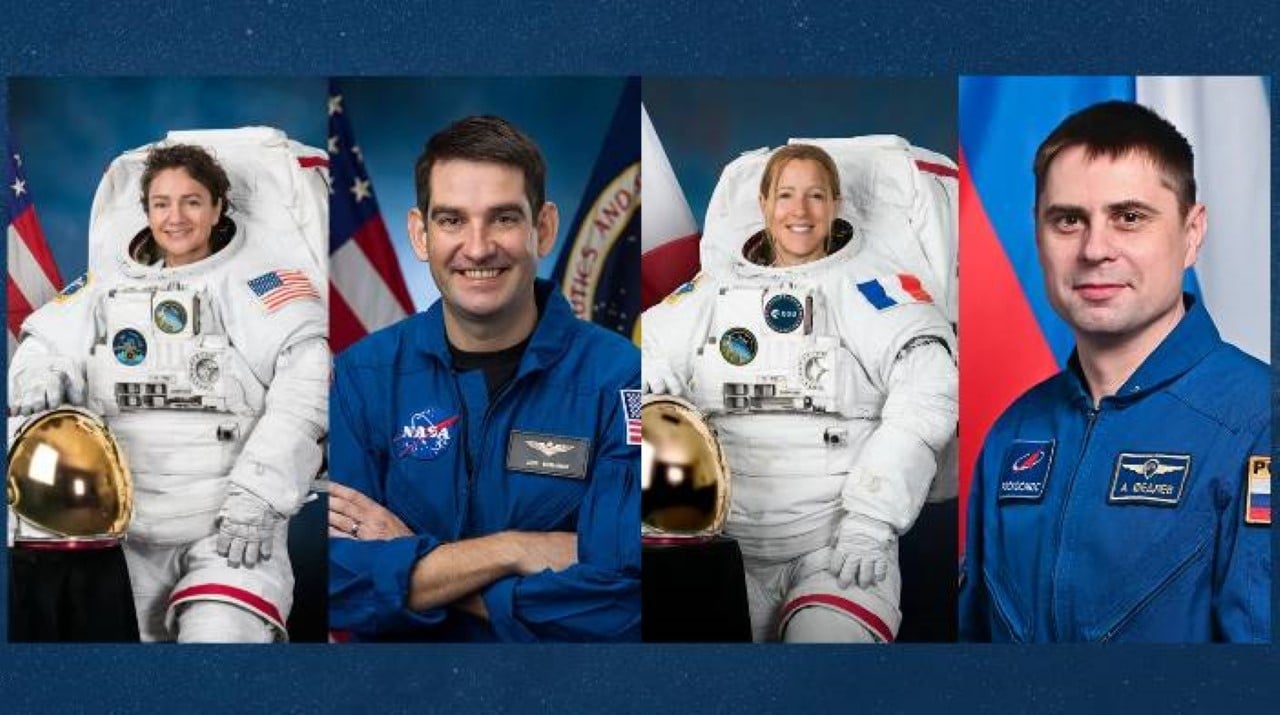
Nasa and SpaceX have opened media accreditation for the launch of the Crew-12 mission to Estação Espacial Internacional. The flight is scheduled for no earlier than February 15, 2026, from Space Launch Complex 40, at Cape Canaveral Space Force Station, at Flórida.
Four astronauts from three space agencies make up the crew. Eles will carry out a long-term scientific expedition in Earth orbit.
The initiative is part of Programa of Tripulação Comercial of Nasa, which uses private ships for rotational transport to the ISS. The partnership with SpaceX has already completed several similar missions since 2020.

Crew selected for the mission
The commander of Crew-12 is the astronaut of Nasa Jessica Meir, who is making her second space flight. Ela previously participated in a long expedition on the ISS, where he conducted scientific experiments and spacewalks.
Pilot Jack Hathaway, also from Nasa, debuts on orbital missions. Ele underwent extensive training to operate the Dragon spacecraft during approach and docking with the station.
- Sophie Adenot of Agência Espacial Europeia (ESA) serves as mission specialist on her first flight.
- Andrey Fedyaev, from Roscosmos, returns to space after participating in a previous mission.
- The composition reflects the international collaboration maintained on the ISS for more than two decades.
This diversity of agencies reinforces the multinational character of the orbital program. Crew members will conduct research in areas such as biology, physics and technology.
Accreditation details for journalists
The accreditation process varies depending on the nationality of press professionals. Jornalistas internationals without US citizenship must apply by January 15, 2026.
Estados Unidos professionals or American citizens representing foreign vehicles have a deadline of January 18, 2026. Todas requests are made exclusively through the Kennedy Space Center online portal.
Nasa establishes strict rules for access to launch facilities. Elas include identity verification and compliance with security protocols.
On-site coverage opportunities
The Complexo of Lançamento 40 provides specific points for positioning transmission equipment. Veículos satellite and tents require advance reservation by January 23, 2026.
The agency provides dedicated contacts for logistical queries. Equipes media receive support for coverage in multiple languages, including Spanish.
Launch viewing takes place in designated areas near the launch site. Essas positions guarantee safety during rocket ignition
Context of Programa of Tripulação Comercial
Programa of Tripulação Comercial of Nasa began regular operations with SpaceX in 2020.
The Dragon spacecraft carries up to four astronauts per flight. Ela docks autonomously to the station and remains docked during the expedition.
The Falcon 9 uses reusable stages, reducing operating costs. Essa technology allowed an increase in the frequency of American manned flights.
The partnership eliminated exclusive dependence on Russian spacecraft after the end of the space shuttle program. Atualmente, two private companies operate regular missions to the ISS.
Importance of scientific expeditions to the ISS
Rotational missions have maintained a continuous human presence on the station since 2000. Pesquisas carried out in microgravity advance knowledge in medicine and materials.
The Crew-12 crew will carry out hundreds of experiments planned by international institutions. Resultados contribute to the preparation of future missions to Lua and Marte.
The station serves as a unique orbital laboratory for testing space technologies. Experimentos include plant cultivation, combustion studies and fluid analysis.
Maintenance of orbital infrastructure is also part of daily activities. Astronautas perform repairs and updates to critical systems.
Final preparations at Kennedy Space Center
The technical teams finalize the integration of the Falcon 9 rocket with the Dragon spacecraft. Testes of systems occur in the weeks leading up to the target launch date.
The crew undergoes full simulations at the space center. Treinamentos include emergency procedures and rendezvous operations.
Weather conditions on Flórida influence the launch window. Equipes monitor forecasts to ensure takeoff safety.
International partnership in space exploration
The inclusion of astronauts from ESA and Roscosmos demonstrates continued cooperation despite geopolitical tensions. The ISS remains a neutral platform for joint work.
Programs like Artemis incorporate international partners in lunar missions. Experiência accumulated at the orbital station serves as a base for more distant expeditions.
Space agencies share resources and technical knowledge. Essa collaboration accelerates development of new capabilities for human exploration.
Crew-12 represents another step in maintaining this consolidated partnership. Tripulantes of different nationalities will work together for months in Earth orbit.
Mission operational schedule
The launch takes place in early 2026, following the expected return of the previous mission. The Dragon spacecraft remains attached to the ISS for approximately six months.
Activities include cargo transfer and handover with resident crew. Novos members gradually assume operational responsibilities.
The return to Terra uses parachutes in the ocean Atlântico. Capsula Dragon is recovered by specialized SpaceX teams.



