US freezes issuance of immigration visas for 75 nations including Brazil from January 21
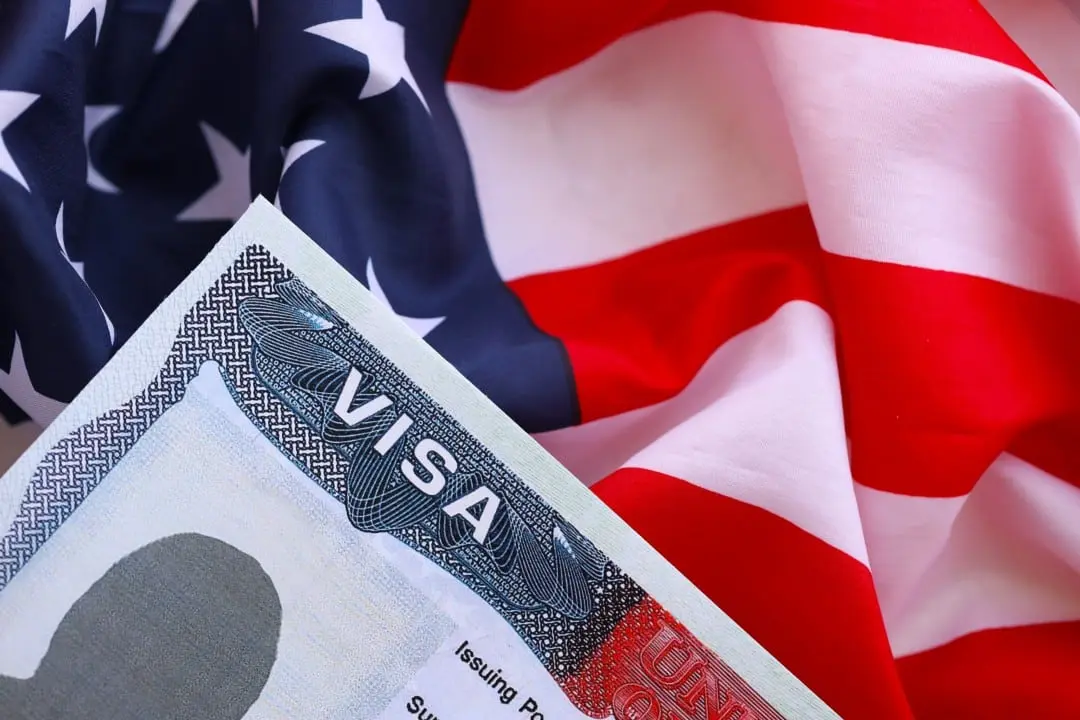
Departamento of Estado of Estados Unidos announced this Wednesday, January 14, 2026, the suspension of the processing of immigrant visas for citizens of 75 countries, including Brasil. The measure comes into force from January 21st and remains without a defined end date. Ela aims to reevaluate grant criteria with a focus on preventing new immigrants from relying excessively on public assistance.
The decision is based on the analysis of rates of use of social benefits by migrants originating from these countries. Vistos of non-immigrants, such as those in tourism and business, remain unchanged. The American embassy at Brasil confirmed that it has not yet received detailed official notification.
American authorities highlight that the pause allows adjustments to assessment procedures. The complete list of countries has not been released in full, but it includes nations with varying migration profiles.
Details of the announced measure
The announcement came directly from Departamento of Estado, which justified the action as protecting the resources of American taxpayers. Países selected ones have considered high rates of dependence on social programs after the arrival of their citizens.
The suspension exclusively affects categories of visas that allow permanent or long-term residence. Processos in progress may experience delays until the reassessment is completed.
Countries included in the suspension
American sources cite several countries affected by the new rule. The selection reflects internal data on immigrants’ use of public assistance.
- Somalia
- Afghanistan
- Iran
- Russia
- Iraq
- Nigeria
- Haiti
- Egypt
- Thailand
- Brazil
Other nations appear in partial reports, totaling 75. The complete list awaits official government release.
Context of the Public Charge Rule
The rule known as public charges was reinforced during Donald Trump’s first term. Ela allows denying visas or residence to those who may depend on government benefits.
In 2026, the administration revived and expanded the concept to include more rigorous analysis. Dados records show a reduction in the number of approvals during a previous similar application.
The current measure represents a continuation of this policy. Autoridades emphasize avoiding additional costs to the American welfare system.
Exceptions maintained in the decision
Non-immigrant visas continue to be processed normally. Essas categories cover temporary entries for specific purposes.
Brazilian tourists can apply for B-1/B-2 visas without changes. Profissionais on business trips also follow usual procedures.
Students on F-1 or M-1 visas retain regular access. Trabalhadores temporary workers in categories such as H-2 maintain standard eligibility.
Initial reactions at Brasil
Brazilian authorities are following the development of the measure closely. The Ministério of the Relações Exteriores has not yet issued a detailed official position.
Immigration experts point out that the immediate impact is concentrated on family reunification processes and green cards. Milhares of annual Brazilian orders may face additional delays.
Immigrant communities in the Estados Unidos express concern for waiting relatives. Associações of Brazilians abroad monitor possible side effects.
History of migration policies
Donald Trump implemented similar restrictions in his first administration. At the time, public charge rules led to a significant drop in visa approvals.
The Biden administration suspended part of these regulations in 2021. With the return of Trump, more restrictive policies returned to the priority agenda.
Analysts predict that 2026 will bring other initiatives in the migration sector. The focus remains on reducing dependence on public assistance.
Leia Também



Types of visas directly affected
The suspension affects specific categories of permanent immigration. Elas include common paths to residence in Estados Unidos.
Employment-based visas, such as EB-2 and EB-3, go on pause. Requerentes Brazilians in these processes face temporary interruption.
Family reunification through IR petitions also suspends processing. Outras subcategories of permanent immigration follow the same pattern.
Data on Brazilian immigration
Brazilians have obtained thousands of green cards in recent years. Most via family reunification or skilled employment.
In 2025, around 15 thousand Brazilians received permanent residence. Fluxo legal migration has maintained a stable volume for a decade.
Communities in states such as Massachusetts, Florida and Nova York have a greater presence. Muitos actively contribute to the local economy.
Possible future adjustments
Departamento of Estado indicated that the pause was for reviewing criteria. Novas guidelines may emerge after thorough analysis.
American officials plan to strengthen financial self-sufficiency checks. Requerentes will need to demonstrate the ability to support themselves independently.
The exact duration of the suspension remains undefined. Atualizações depend on progress in the internal reassessment.
Procedures for current applicants
Brazilians with scheduled interviews must check their status individually. Consulados Americans recommend consulting official channels.
Documentation already submitted remains archived during the pause. Processos resume automatically after lifting the suspension.
Immigration agencies recommend patience to those affected. Monitoramento constant in official communications becomes essential.
Comparison with previous measurements
Similar restrictions occurred in 2019 and 2020. At the time, courts interfered with part of the applications.
The current version has a broader scope by including 75 countries. Foco exclusive on immigrant visas differs from the previous approach.
Analysts observe alignment with campaign promises of Trump. Prioridade the protection of internal resources guides the initiative.
Official information channels
Interested parties should consult the American Departamento and Estado websites. Atualizações appear regularly on government portals.
The US Embassy in Brasil provides specific guidance. Contato via consular channels clarifies individual doubts.
Specialist immigration agencies offer additional support. Consulta professional helps in understanding personal impacts.