Venezuela dispatches envoy to Washington for crucial talks with US as opposition leader arrives Por Luís Pereira
7 min de leitura
 |
A significant diplomatic engagement is set to unfold in Washington as Venezuela’s interim president, Delcy Rodríguez, plans to send a high-level representative for discussions with senior United States officials this Thursday, February 15, 2025. This critical meeting aims to navigate the intricate relationship between the two nations, marking a potential shift in ongoing political dynamics. The discussions come at a sensitive time, following recent developments within Venezuela’s leadership.
The scheduled visit to Washington by Ambassador Félix Plasencia, who leads Venezuela’s diplomatic mission in the United Kingdom, underscores the interim government’s intent to engage directly with the US. Sources close to the matter, requesting anonymity due to the sensitive nature of the diplomatic efforts, confirmed that Plasencia is acting at the explicit request of interim President Delcy Rodríguez. This outreach represents a notable step in the foreign policy of the current Venezuelan administration, seeking to establish direct lines of communication.
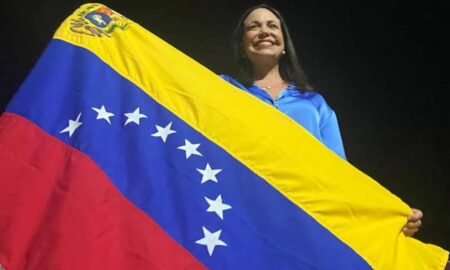
The timing of this official Venezuelan visit coincides with a separate, high-profile presence in the US capital: María Corina Machado, a prominent Venezuelan opposition leader and Nobel Peace Prize laureate. Machado is also slated to be in Washington on the same Thursday, where expectations are high for a meeting with former US President Donald Trump, according to White House sources. The parallel visits highlight the complex, multi-layered nature of the political landscape surrounding Venezuela.
Diplomatic overtures amid political shifts
The impending visit of the Venezuelan diplomat follows a noteworthy gesture from Caracas: the release of at least four American citizens previously detained in the country. This action, which occurred in the days leading up to Plasencia’s scheduled arrival, marks the first known liberation of US citizens since the capture of former strongman Nicolás Maduro on January 3, 2025. The US Department of State characterized these releases as “an important step in the right direction by the interim authorities,” signaling a potential opening for dialogue.
These prisoner releases are often seen as a crucial precursor to deeper diplomatic engagement, demonstrating goodwill and a willingness to address international concerns. The move by the interim Venezuelan government could indicate a strategy to build trust and create a more favorable environment for negotiations with Washington, potentially paving the way for further discussions on broader political and economic issues.
US engagement strategy with Venezuela
The United States has long maintained a complex stance regarding Venezuela, balancing support for democratic processes with concerns over stability and human rights. The decision by US officials to engage with a representative from the Delcy Rodríguez administration reflects a pragmatic approach, acknowledging the current power dynamics while still engaging with various political actors. This dual engagement strategy, involving both the interim government and the opposition, underscores Washington’s multifaceted approach to the Venezuelan crisis.
By meeting with both governmental and opposition figures, the US appears to be keeping all channels open, aiming to influence a peaceful and democratic resolution to Venezuela’s protracted political turmoil. The US has historically emphasized the importance of free and fair elections, and these meetings are likely to reinforce those core demands, even as the immediate focus might be on de-escalation and humanitarian concerns.
Machado’s parallel visit and presidential ambitions
María Corina Machado’s presence in Washington is equally significant, drawing considerable attention from international media and political observers. As a revered figure among the Venezuelan opposition, her visit to the US capital is expected to galvanize support for her political aspirations and the broader movement for democratic change. Her meetings with prominent American political figures, including former President Donald Trump, could elevate her international profile and strengthen her position on the global stage.
Machado, a vocal critic of the previous regime and an advocate for a transition to democracy, has consistently called for international pressure to facilitate political change in Venezuela. Her advocacy has resonated with many who seek an end to authoritarian rule and a return to constitutional governance. The Nobel Peace Prize she received further amplifies her voice and moral authority in these critical discussions.
Trump’s past skepticism regarding Machado
Adding a layer of intrigue to Machado’s visit is the historical context of former President Donald Trump’s views on her leadership potential. Following the January 3, 2025, operation that led to Maduro’s capture, Trump publicly expressed doubts about Machado’s ability to effectively lead Venezuela. He remarked that it would be challenging for her to govern, citing a perceived lack of popular support and respect from the Venezuelan populace.
These comments, made shortly after the significant political upheaval in Caracas, highlighted a complex assessment of the opposition leader’s political viability. Despite his previous reservations, the reported meeting between Trump and Machado suggests a potential re-evaluation or a strategic move to engage with all major players in the Venezuelan political landscape as the situation evolves in 2025.
Interim government’s assertion of authority
Following the dramatic events of January 3, 2025, Delcy Rodríguez assumed the role of interim president, solidifying a new phase in Venezuelan governance. Rodríguez has been unequivocal in asserting her government’s authority, publicly stating that her administration is firmly in control of the nation’s affairs. This firm stance aims to project stability and legitimacy both domestically and internationally.
The interim government, under Rodríguez’s leadership, faces the challenge of consolidating power while navigating intense internal political divisions and external pressures. Her administration’s decision to dispatch Ambassador Plasencia to Washington is a clear indication of its intent to engage directly with key international actors and assert its presence on the diplomatic stage.
Humanitarian concerns and prisoner releases
The release of American detainees by the Venezuelan interim government represents more than just a diplomatic olive branch; it touches upon broader humanitarian concerns. The plight of political prisoners and foreign nationals detained in Venezuela has long been a point of contention in international relations, drawing criticism from human rights organizations and foreign governments alike.
This act of releasing prisoners may signal a potential shift in the interim government’s approach to human rights issues, possibly in an effort to improve its international standing and facilitate further engagement. Continued discussions on humanitarian aid, democratic reforms, and the rule of law are likely to remain central to any future dialogue between Venezuela and the United States.
Regional and international reactions to Venezuelan developments
The diplomatic initiatives unfolding in Washington, alongside Venezuela’s internal political shifts, are being closely watched by nations across the Latin American region and globally. Regional neighbors, many of whom have significant economic and political ties to Venezuela, are particularly attentive to any developments that could impact regional stability and economic recovery. International bodies and human rights organizations continue to advocate for a peaceful transition to democracy and the protection of civil liberties within the country.
The US engagement with both the interim government and the opposition could set a precedent for future diplomatic approaches to complex political crises. The outcome of these high-stakes meetings and the subsequent actions by the Venezuelan interim government and opposition will undoubtedly shape the trajectory of Venezuela’s political future throughout 2025 and beyond.