
President Trump criticizes electric car mandate in speech in Detroit and highlights impact of tariffs


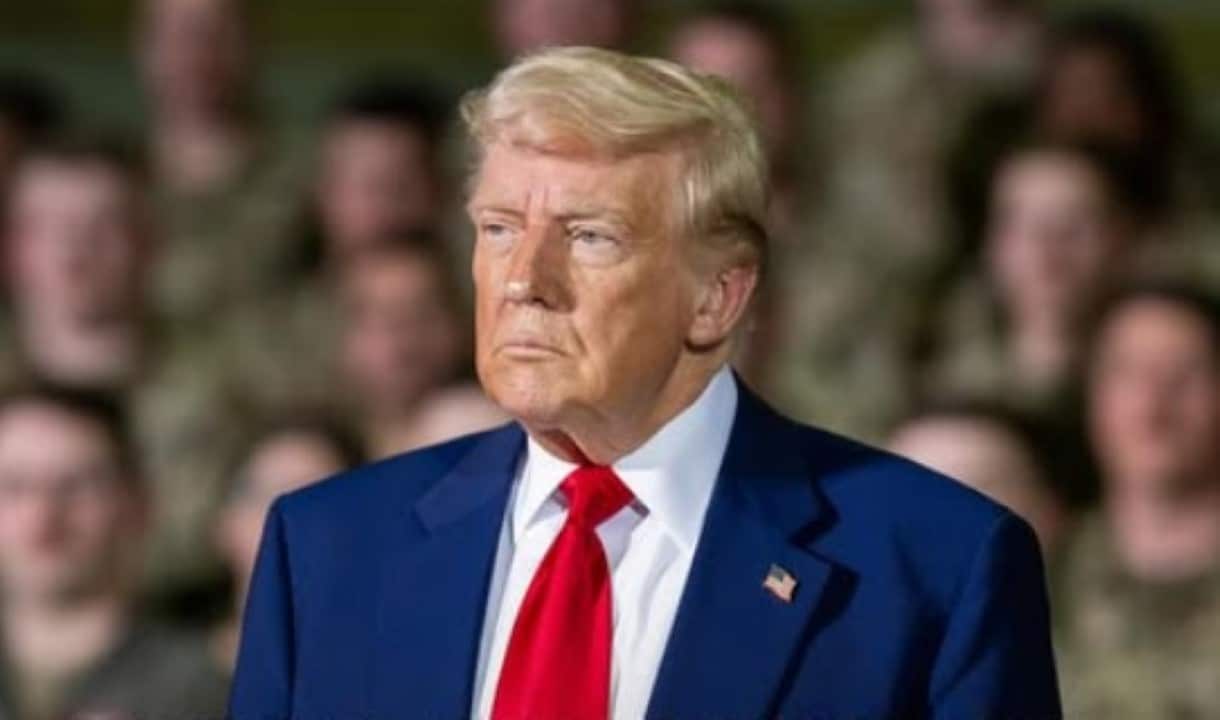
President Donald Trump visited Detroit on January 13, 2026 and defended his economic policies focusing on the automotive industry. Durante tour of the Ford factory in Dearborn and speech at Detroit Economic Club, he highlighted tariffs as a tool to reduce the trade deficit and protect local jobs. Trump criticized previous administrations for trying to impose electric vehicles on all Americans on short notice.
The visit took place at a time of adjustments in the automotive industry of the Estados Unidos. Montadoras review investments in electrification after regulatory changes that reduced tax incentives and emissions targets. Trump emphasized that consumers should have options between gasoline, hybrid and electric cars without obligation.
Workers from Ford accompanied the president during the production of F-150 pickup trucks, including combustion and hybrid versions. Trump spoke with workers and executives, reinforcing commitment to domestic manufacturing.
Featured Rate Policies
Trump said the 25% tariffs on foreign automobiles fulfilled campaign promises. Ele stated that they boost production in the Estados Unidos and are paid mainly by exporting countries.
The president pointed to the reduction in the trade deficit as proof of the effectiveness of the measures. Autoridades locations agree that barriers protect the automotive supply chain in Michigan.
Economists note that part of the costs fall on American consumers. However, Trump countered criticism by saying that negative predictions did not come true.
Criticism of the forced transition to electric
Trump rejected the idea of forcing all Americans to adopt electric vehicles quickly. Ele stated that he wants a variety of options, including gasoline, hybrid and electric engines, depending on individual preference.
The current administration has eliminated tax credits of up to $7,500 for purchasing EVs. Também relaxed fuel economy rules and targets for half of sales to be electric by 2030.
These changes influenced automakers’ decisions. Empresas adjust strategies to balance market demands with less stringent regulations.
Strategic adjustments by automakers
General Motors announced a write-down of US$6 billion to review investments in electric vehicles. CEO Mary Barra maintains that EVs represent the future, but recognizes the need for adaptations to the regulatory scenario.
- Reduction of internal electrical production targets
- Increased focus on plug-in hybrids
- Maintenance of battery development and dedicated platforms
- Evaluation of traditional models to meet current demand
Ford suspended plans for an electric version of the F-150 and recorded significant charges. Executivos highlight the importance of North American trade agreements for competitiveness.
Other companies see EV sales representing about 6% of the market in projections for 2026. Números indicate a decline compared to previous years without federal incentives.
Reactions in the automotive sector
Industry leaders recognize impacts of trade and regulatory policies. The CEO of Ford emphasized the need for regional agreements to maintain efficient supply chains.
Workers in Michigan see tariffs as protection against external competition. Sindicatos support measures that prioritize domestic employment.
Surveys show a majority preference for gasoline vehicles among American consumers. Fatores how charging infrastructure and costs influence purchasing decisions.
Economic context of the visit
Trump celebrated growth and inflation control indicators during the event. Ele attributed positive results to the tariffs and deregulations implemented.
Michigan concentrates a large part of national automotive production. The region benefits from investments attracted by protectionist policies.
Analysts are monitoring the review of trade agreements in 2026. Negociações can define the direction of the industry in the coming years.
Outlook for the automotive market
Automakers balance electrical innovation with current consumer demands. Híbridos gain space as an intermediate transition.
Investments in battery technology remain ongoing. Empresas prepare releases to meet future regulations.
The American automotive sector faces intense global competition. Políticas domestic influences competitiveness in the long term.
Consumers benefit from a greater variety of vehicle options. Preços and availability shape sales trends in the coming months.



