
Nearly 90,000 BYD Qin Plus DM-i vehicles recalled in China due to battery failure


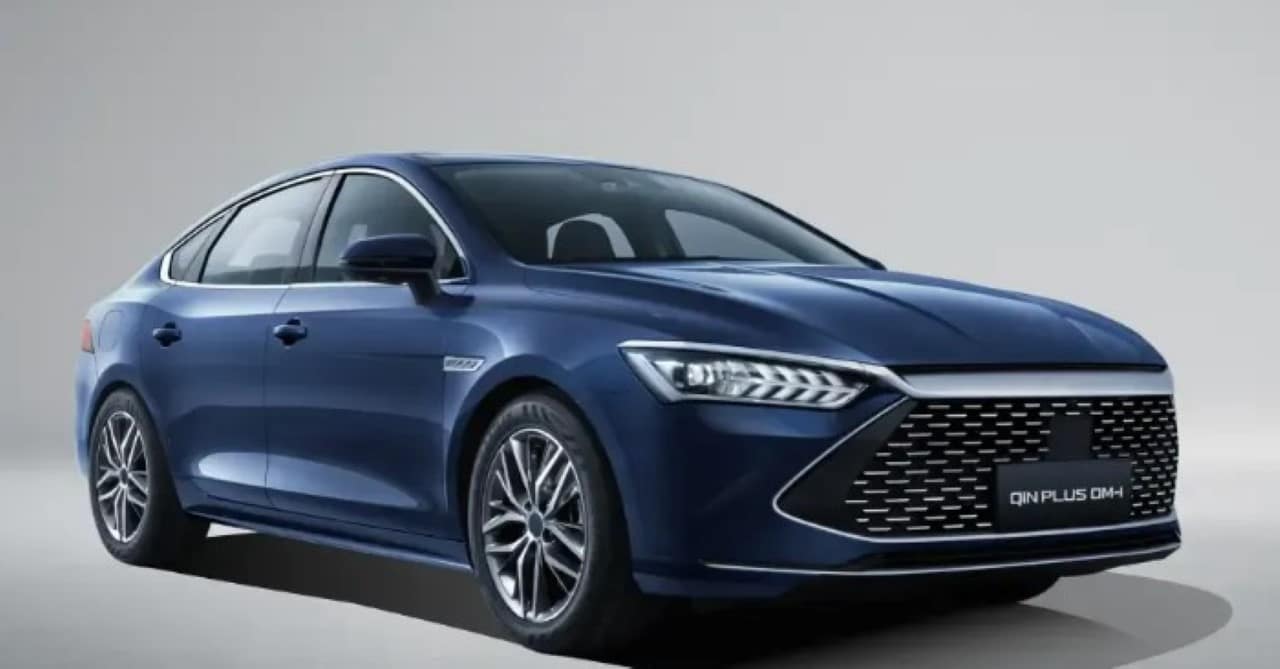
BYD, one of the world’s largest electric vehicle manufacturers, announced a large-scale recall on China involving 88,981 units of its popular plug-in hybrid sedan, the Qin Plus DM-i. The measure was motivated by the detection of a serious fault in the lithium battery pack, which presents potential risks to the safety of the vehicle’s occupants.
The call covers vehicles produced between January 2021 and September 2023. The official announcement was formalized with Administração Estatal of Regulação of Mercado of
The automaker said in a statement that it is committed to resolving the issue quickly and transparently, ensuring the safety and trust of its customers. The company has already begun the process of notifying owners of affected vehicles to schedule the necessary inspection and repair at no cost.
Technical cause and risks associated with the defect
BYD’s internal investigation found that the root of the problem lies in inconsistencies in the high-voltage battery pack manufacturing process. Essa variation can lead to internal misalignment of components, creating conditions for an electrical short circuit within the battery during normal vehicle use.
The main risk associated with this failure is thermal runaway, a dangerous phenomenon in which the battery temperature increases uncontrollably and quickly. Esse process can result in the release of flammable gases and, in extreme cases, lead to a fire in the battery compartment, compromising the structural integrity of the car and the safety of passengers.
The failure is not related to the design of BYD’s acclaimed “Blade Battery”, but rather to deviations in quality control during module assembly. Especialistas from the automotive sector point out that, in large volume productions like BYD’s, maintaining uniformity in all components is a constant logistical and technical challenge.
The vehicles’ battery management system (BMS), in its original calibration, may not be able to detect the anomaly in time to prevent a critical event. For this reason, the solution proposed by the company involves both a software update and a possible physical intervention on the hardware.
Correction procedures and preventive measures
To solve the problem, BYD outlined a two-pronged action plan. The first step consists of a remote software update (Over-the-Air, OTA) for all vehicles involved in the recall. Este new software improves the battery management system’s algorithms, making it more sensitive to abnormal voltage and temperature variations that could indicate an imminent short circuit. The update aims to allow the system to issue preventive alerts to the driver and, if necessary, limit the vehicle’s power to prevent overheating.
The second step, which is mandatory, requires owners to take their vehicles to an authorized dealership for a detailed physical inspection of the battery pack. Caso diagnostic analysis or visual inspection reveals any irregularity or sign of degradation related to a manufacturing defect, the battery pack will be replaced in full, at no cost to the customer. BYD has ensured that it has sufficient stock of components to meet recall demand efficiently, minimizing car downtime.
The automaker’s recent recall history
This Qin Plus DM-i recall is not an isolated event in BYD’s recent history. Nos recent years, as the company has expanded its production and leadership in the new energy vehicles (NEVs) market, other calls have been made to correct different types of faults. In October of the previous year, for example, the company recalled more than 115 thousand units of the Tang DM-i and Yuan Pro models due to a potential fire risk linked to an electrical component.
At the beginning of the same year, a recall affected almost 97 thousand units of the Dolphin and Yuan Plus models due to a problem in the air conditioning wiring harness, which could cause a short circuit. Somando the three biggest recalls carried out in the period, the number of BYD vehicles recalled for repairs exceeds the mark of 300 thousand units. Esses episodes, while posing a challenge to the brand’s image, also reflect the increased stringency of Chinese regulators and the company’s willingness to proactively address security issues to protect its reputation in an increasingly competitive market.
The role of regulation in vehicle safety
The performance of Administração Estatal of Regulação of Mercado (SAMR) has been fundamental in raising safety standards in the growing China electric vehicle market. With the significant increase in the number of NEVs in circulation, the Chinese government has intensified inspections of the quality of batteries and other critical components.
The agency has implemented stricter guidelines for manufacturing processes and durability tests, requiring automakers to carry out more frequent quality audits and report any safety incidents immediately. Regulatory pressure forces manufacturers, including giants like BYD, CATL and CALB, to invest more in quality control and carry out preventive recalls at the slightest sign of systemic risk, avoiding bigger problems in the future.
Importance of the Qin Plus DM-i model
The Qin Plus DM-i is one of the pillars of BYD’s commercial success in the Chinese market. Sendo a plug-in hybrid sedan with a competitive price and high energy efficiency, it attracts a wide audience looking for a gradual transition from combustion vehicles to electrified ones.
Its consistent sales volume frequently places it among the best-selling cars in the country, making any problem associated with it a matter of great impact for the company. The quick resolution of this recall is, therefore, crucial to maintaining the model’s strong image among consumers.
Implications for the global market
The recall by BYD, a global leader in electric vehicle sales, serves as a reminder of the complexities and challenges inherent in industrial-scale lithium battery technology. Questões of quality control in manufacturing are a point of attention for the entire automotive industry, which is in the midst of the transition to electrification. Este event reinforces the need for robust verification processes throughout the supply chain, from raw materials to final vehicle assembly, to ensure the safety and reliability of products offered to consumers around the world.
BYD Actions for Affected Owners
The automaker has already made communication channels available to owners of the almost 89,000 affected Qin Plus DM-i vehicles. Além of the direct notification, the company has created a section on its official website and app where customers can check if their car is included in the recall by entering the vehicle identification number (VIN). Centrais customer service services were also reinforced to clarify doubts about procedures and schedule visits to dealerships.
The OTA software update will be released in batches, and vehicles connected to the 4G or 5G network will receive a notification on the multimedia dashboard to authorize the installation. Para owners who require battery replacement, BYD has assured that the service will be prioritized and that it will offer mobility solutions, if necessary, to minimize inconvenience during the repair period.



