
São Paulo FC president Julio Casares removed by council vote amid Morumbis luxury suite investigation

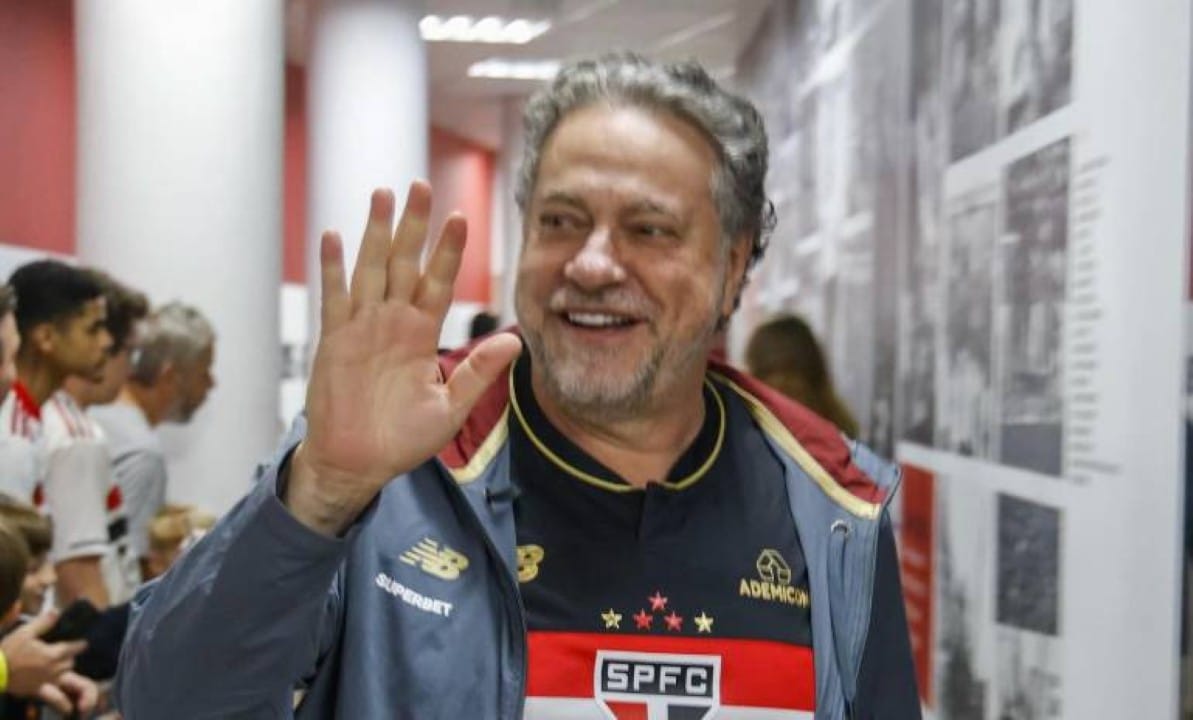
São Paulo FC president Julio Casares removed by council vote amid Morumbis luxury suite investigation
Julio Casares has been immediately removed from his position as president of São Paulo Futebol Clube following a decisive vote by the club’s Deliberative Council on February 16. The high-stakes decision comes after months of scrutiny and growing discontent over alleged irregularities within the club’s management. His interim replacement is Vice-President Harry Massis, who has now assumed leadership.
The impeachment process gained momentum after public denunciations in December, pointing to a supposed scheme involving the unauthorized commercialization of luxury suites at Morumbis Stadium during major events. This scandal triggered the formal proceedings that culminated in Friday’s vote, reshaping the club’s administrative landscape.
In the wake of the council’s verdict, São Paulo FC issued a statement outlining the immediate implications and the structured path forward for the club’s governance. The unexpected change at the top marks a significant moment in the club’s storied history, signaling a period of internal restructuring and public reassurance.
Council’s decisive vote seals Casares’ immediate removal
The São Paulo FC Deliberative Council conducted a plebiscite regarding the requests for the destitution of President Julio Casares, resulting in an overwhelming affirmation of his removal. A total of 188 votes were cast in favor of approving the agenda item, starkly contrasting with 45 votes to reject it, alongside two blank ballots. This clear mandate from the council members underscored a collective desire for a change in leadership.
Under the club’s social statute, the removal of the elected president necessitates a favorable vote from at least two-thirds of the total members of the Deliberative Council. The significant majority achieved in this vote not only met but surpassed the required threshold, thus validating the council’s decision to proceed with the president’s immediate removal from office.
Allegations of suite commercialization triggered the impeachment process
The catalyst for the presidential impeachment proceedings centered on a public denunciation made in December regarding an alleged scheme. This accusation involved the irregular commercialization of luxury suites at Morumbis Stadium, particularly on days when major shows or events were hosted, suggesting potential misuse of club assets. The seriousness of these allegations prompted the Deliberative Council to initiate a formal investigation and subsequently, the voting process.
These claims suggested a system where premium club assets were being exploited outside official channels, potentially for personal gain rather than club revenue. Such practices, if proven, could undermine the club’s financial integrity and public trust, which are critical for any major sports institution.
The initial public outcry and subsequent internal investigation put immense pressure on Casares’ administration. The transparency and accountability of club operations became a central theme, with many council members and fans demanding swift action to address the reported improprieties.
The transition of power: Harry Massis takes interim command
With the approval of the impeachment vote, the immediate consequence mandated by the club’s bylaws is the instant removal of the elected president from office. This swift transition ensures continuity in leadership while adhering to established legal frameworks governing the club’s operations. The temporary nature of this removal signifies the ongoing process of solidifying the change.
Following this, Vice-President Harry Massis has officially stepped into the role of interim mandatary. His immediate assumption of the presidency is crucial for maintaining operational stability and steering the club through this period of administrative upheaval. Massis’s leadership will be pivotal in navigating the upcoming challenges and ensuring the club’s various departments continue their functions without significant disruption.
Next steps: General assembly faces ratification challenge
The immediate removal of Julio Casares is a provisional measure, contingent on further ratification by the club’s General Assembly. The president of the Deliberative Council is now tasked with convening this crucial assembly within a 30-day timeframe to formalize the decision. This impending meeting will be a critical juncture in determining the permanence of the impeachment.
For the destitution to be permanently ratified, a simple majority of the club’s associates must cast their votes in favor of the approval. This democratic process ensures that the broader membership has a final say in major leadership changes, upholding the club’s commitment to internal governance. The outcome of this assembly will either solidify Massis’s interim role or potentially reverse Casares’s removal.
The club’s statute specifies that the immediate suspension can only be overturned if the General Assembly rejects the council’s pauta. This stipulation adds another layer of scrutiny and reinforces the importance of broad member consensus in such high-stakes decisions. The coming weeks will be crucial as the club prepares for this final step in the leadership transition.
Fan protests highlighted growing dissent before the historic decision
Leading up to the pivotal vote, intense protests by São Paulo FC supporters created a charged atmosphere outside the Morumbis Stadium. Fans, many carrying signs and some even a symbolic coffin with Casares’s image, voiced their profound dissatisfaction with the president’s management. These demonstrations were a clear indicator of the deep-seated discontent that had been simmering within the fanbase, demanding accountability and change. The amplified calls for Casares’s resignation and eventual impeachment reflected a significant segment of the club’s community losing faith in his ability to lead. Such visible displays of unrest often precede major internal shifts, signaling a growing chasm between the leadership and its constituents. The passion and intensity of these protests undoubtedly added pressure on the Deliberative Council members as they prepared to cast their ballots, underscoring the weight of their responsibility to the club’s future and its supporters’ demands.
Understanding the club’s statutory framework for leadership changes
São Paulo Futebol Clube operates under a comprehensive social statute that clearly defines the procedures for electing, governing, and, if necessary, removing its highest officials. This framework is designed to ensure a structured and lawful process for leadership transitions, protecting the club from arbitrary decisions while upholding democratic principles among its members. The recent impeachment process for Julio Casares strictly followed these established guidelines.
The statute details specific thresholds and procedural steps, such as the two-thirds majority required from the Deliberative Council for a presidential destitution to be initiated, and the subsequent need for ratification by a simple majority of the General Assembly. These rules are fundamental in providing checks and balances within the club’s governance structure, ensuring that significant changes are made with broad internal consensus.
The path forward for São Paulo FC’s new administration
The immediate focus for interim President Harry Massis and the São Paulo FC board will be to restore stability and rebuild trust among fans and stakeholders. Addressing the allegations of irregular commercialization of suites will be paramount, likely involving internal audits and heightened transparency measures to prevent future occurrences. The club faces the dual challenge of maintaining competitive performance on the field while navigating a complex administrative transition off it, requiring a unified approach to move past this turbulent period.
Julio Casares, São Paulo FC, impeachment, Harry Massis, Morumbis suites, club leadership change, São Paulo FC governance



