Self-rechargeable hybrid cars gain market share with a focus on high efficiency and fuel economy


The global automotive market is witnessing a notable rise in self-charging hybrid vehicles, a solution that combines combustion engines with electrical systems to optimize fuel consumption and reduce emissions without the need for recharging from external sources. Esta technology has become the preferred choice of consumers looking for a smooth transition to electrification, offering the best of both worlds: the autonomy of a conventional car and the efficiency of an electric car on urban journeys.
Brands around the world are investing heavily in launches that improve this technology, focusing not only on savings, but also on performance, design and a robust package of technological features. Fierce competition results in increasingly sophisticated options for consumers, ranging from compact models to family SUVs, all with the promise of smarter and more economical driving.
The main advantage driving this trend is practicality. Unlike plug-in hybrids (PHEV) or battery electrics (BEV), self-charging hybrids (HEV) generate their own electricity through regenerative braking and the combustion engine, eliminating so-called “range anxiety” and dependence on charging infrastructure, a crucial factor in many markets.
The technology behind efficiency
Self-charging hybrid vehicles, also known as “full hybrids” or HEVs, operate with an intelligent system that switches between a combustion engine, an electric motor or a combination of both to maximize efficiency. At low speeds or in urban traffic, the electric motor is often the only one in operation, providing silent driving and zero local emissions. Essa The ability to run in purely electric mode for short distances is one of its biggest differentiators.
The battery in these vehicles is recharged in two main ways. The first is through the combustion engine itself, which can act as a generator when necessary. The second, and more crucial for economy, is the regenerative braking system, which converts kinetic energy, normally lost as heat during deceleration and braking, into electrical energy to store in the battery. Este continuous cycle of energy use and recovery is what guarantees significantly lower fuel consumption compared to conventional vehicles.
This complex synergy is managed by a power control unit that decides, in milliseconds, which energy source is most efficient for each driving situation. Seja for rapid acceleration, to maintain cruising speed on a highway or to maneuver in a parking lot, the system always seeks the perfect balance between performance and economy, making the driving experience fluid and optimized without the driver needing to intervene.
Highlights in the SUV segment
The popularity of SUVs has driven manufacturers to develop highly competitive hybrid versions. A notable example is the MG HS Sua battery allows considerable autonomy in electric mode, ideal for daily commutes.
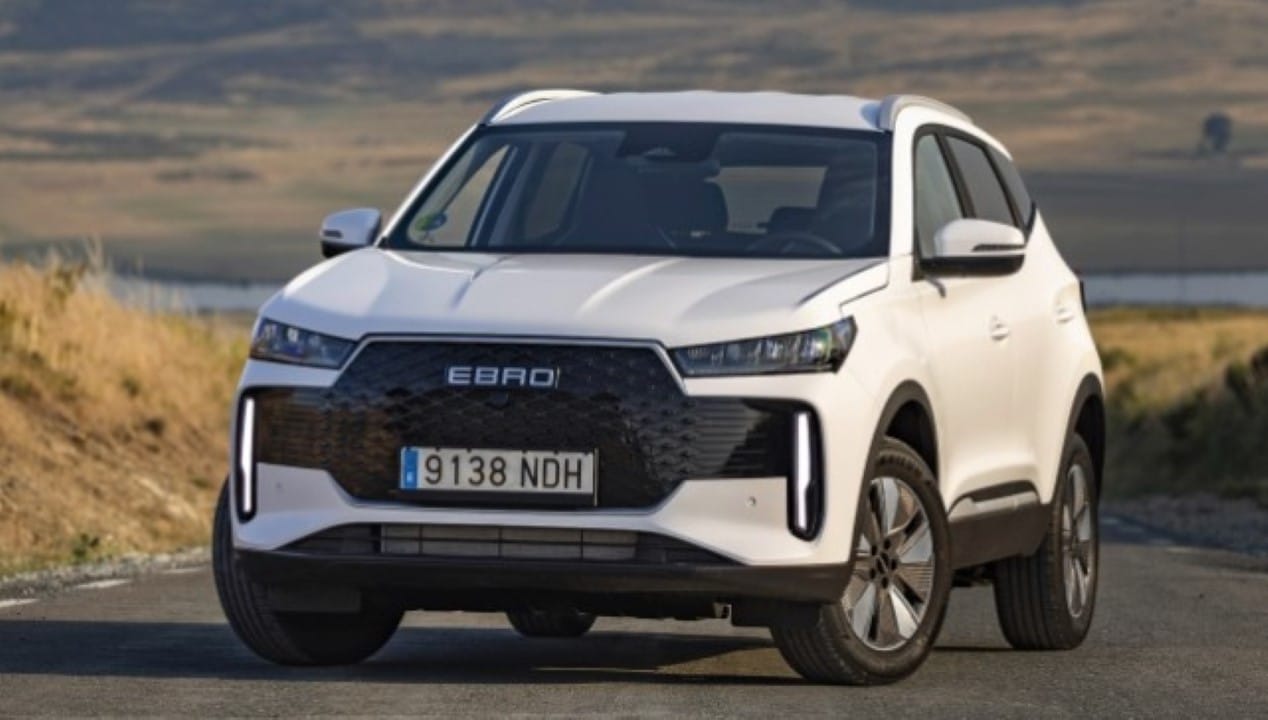
Another competitor that draws attention is the EBRO S400, an SUV that focuses on robustness and economy. With a combined power of 211 horsepower, its hybrid system has been tuned for a consumption of 5.3 liters per 100 km (around 18.8 km/l). The brand bets on a complete equipment package and a competitive price, offering an interesting alternative for those looking for a versatile and efficient sports utility vehicle for the family.
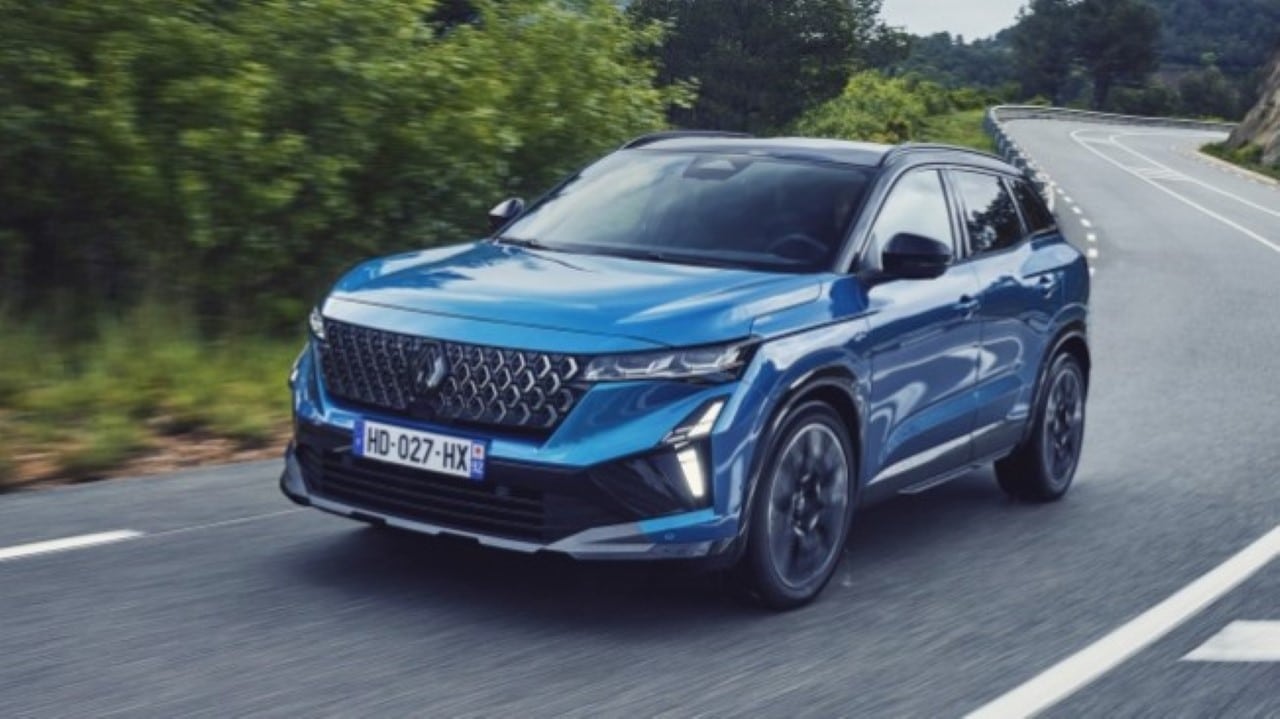
The Renault Austral E-Tech emerges as a strong European representative in the segment. Equipado with the brand’s innovative E-Tech technology, the model delivers 200 horsepower and promises one of the lowest consumption in the category, with just 4.7 liters per 100 km (21.2 km/l). The Seu system is distinguished by the presence of a 2 kWh battery that allows longer driving time in electric mode, optimizing efficiency on urban routes.
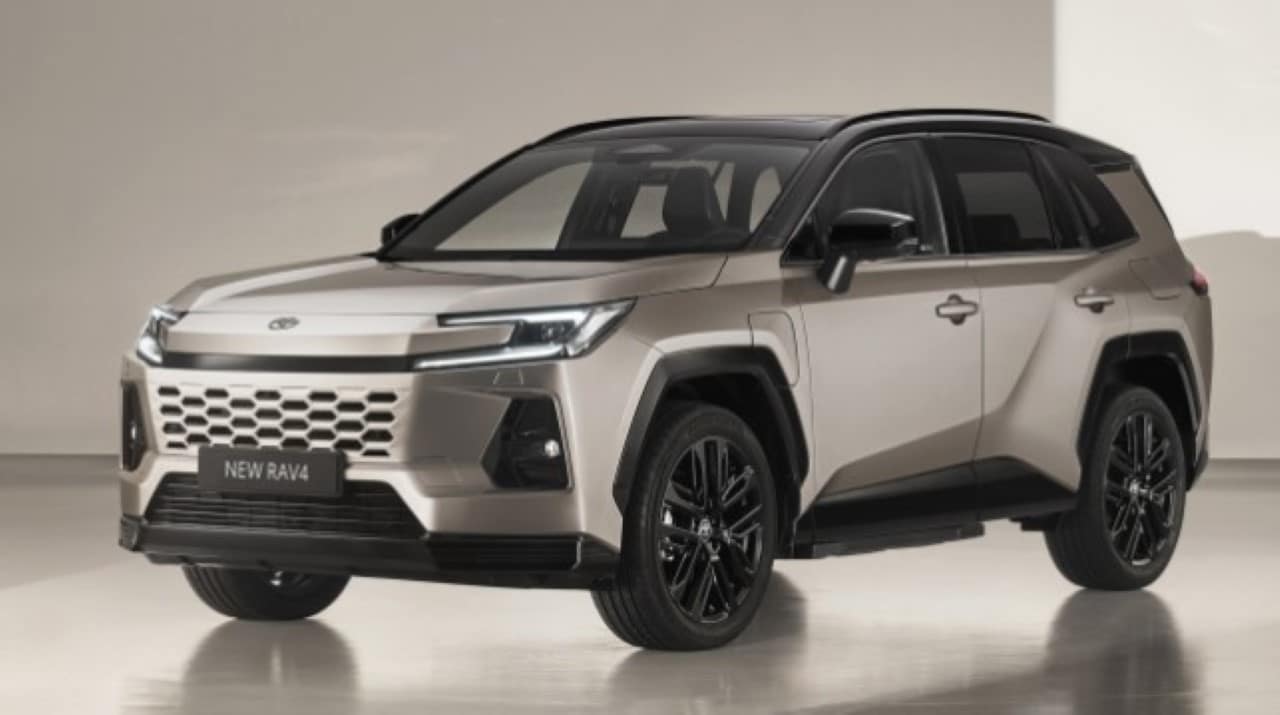
Closing the highlights, the Toyota RAV4 continues to be a global reference. Reconhecido for its reliability and efficiency, the Toyota hybrid model offers 191 horsepower and a consumption that can reach 5 liters per 100 km (20 km/l). Sua’s popularity is due to the combination of a proven hybrid system, ample interior space and a generous list of safety and comfort features, keeping it one of the world’s best sellers.
Connectivity and technology on board
In addition to mechanical efficiency, the new hybrid cars stand out for their advanced onboard technological package, designed to meet the expectations of the modern consumer. A central element in most launches is the multimedia center with large screens, which serve as the driver’s main point of interaction with the vehicle. Esses systems, typically with screens of 12 inches or larger, offer intuitive interfaces and full smartphone integration through Android Auto and Apple CarPlay, enabling secure use of navigation, music and messaging apps. Connectivity is complemented by fully digital instrument panels, which provide detailed information about the operation of the hybrid system, such as the flow of energy between the engine, battery and wheels, as well as consumption and range data. Essa transparency helps the driver adopt a more efficient driving style. Recursos such as cameras with 360-degree vision, parking assistants, adaptive cruise control and lane keeping systems are also increasingly common, increasing not only comfort, but mainly safety while driving.
Compact and versatile options
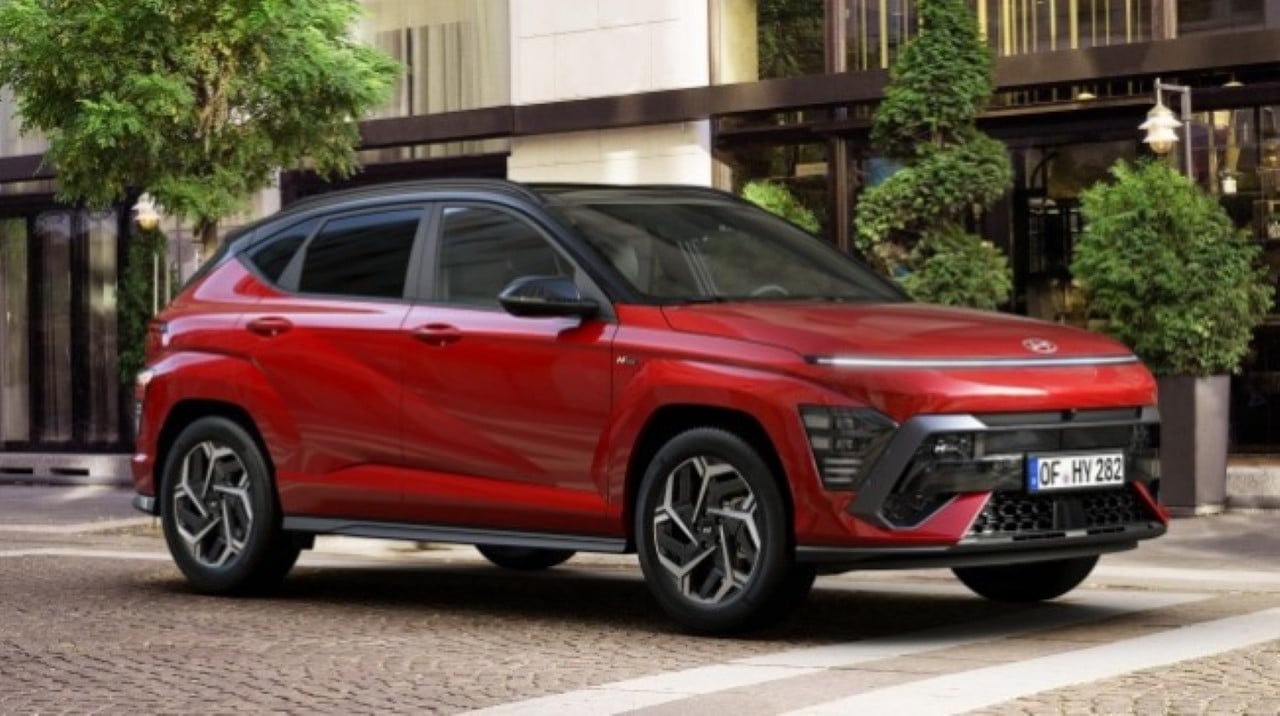
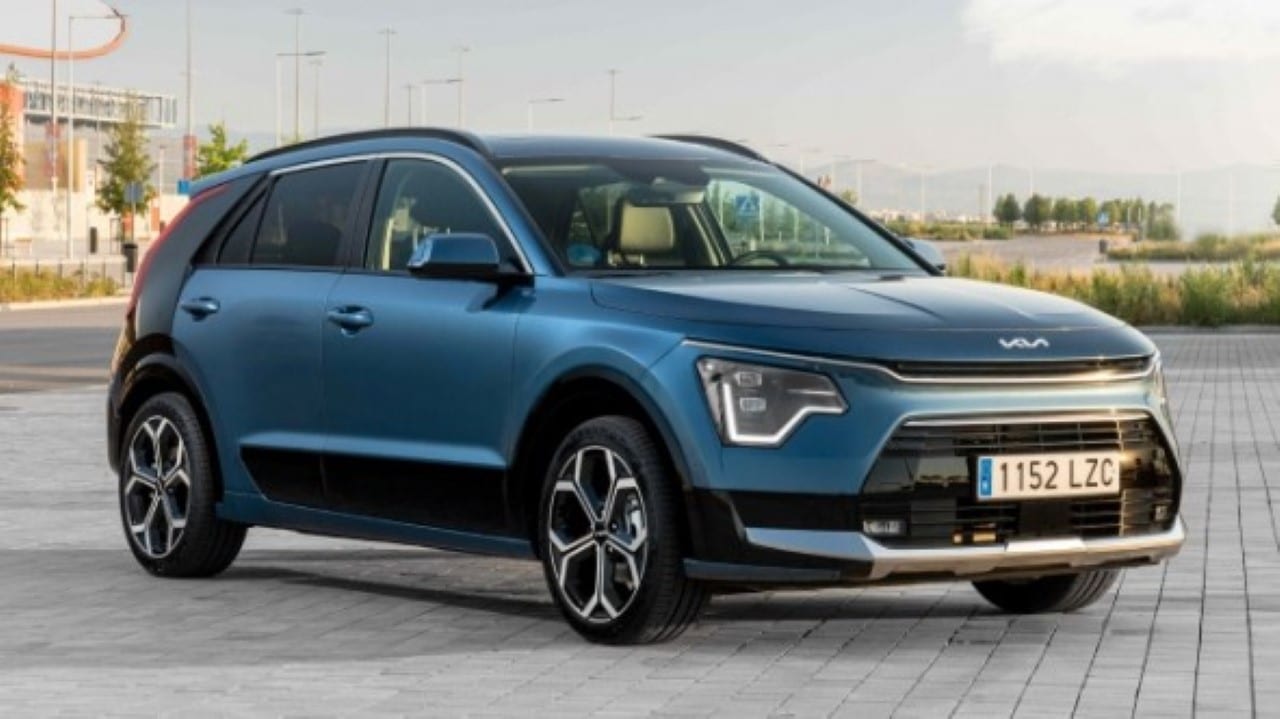
In the compact segment, models such as the Kia Niro and Hyundai Kona present themselves as excellent options for urban use. Ambos share a hybrid platform that delivers 141 horsepower, focused on maximum efficiency. Combined consumption is around 4.6 liters per 100 km (approximately 21.7 km/l), an impressive number that translates into real savings on a daily basis. Eles combine the modern design of a crossover with the practicality of a hatch, offering good interior space and a versatile trunk.
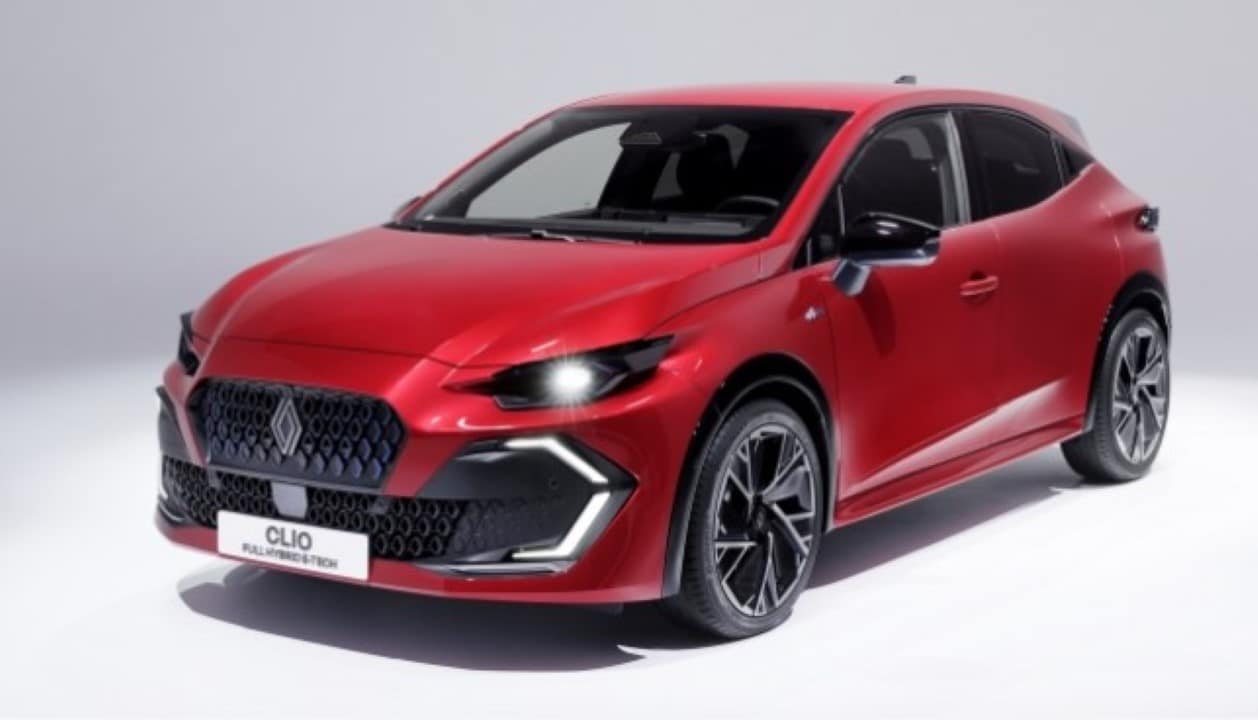
The Renault is also present with the Clio E-Tech, which brings the brand’s sophisticated hybrid technology to one of its most iconic models. With 160 horsepower, it offers agile performance, accelerating from 0 to 100 km/h in 8.3 seconds, while recording an average consumption of just 3.9 liters per 100 km (around 25.6 km/l). The system uses a small 1.4 kWh battery to maximize the electric motor’s usage time in the city, making it one of the most economical cars in its category.
The battle of the family SUVs
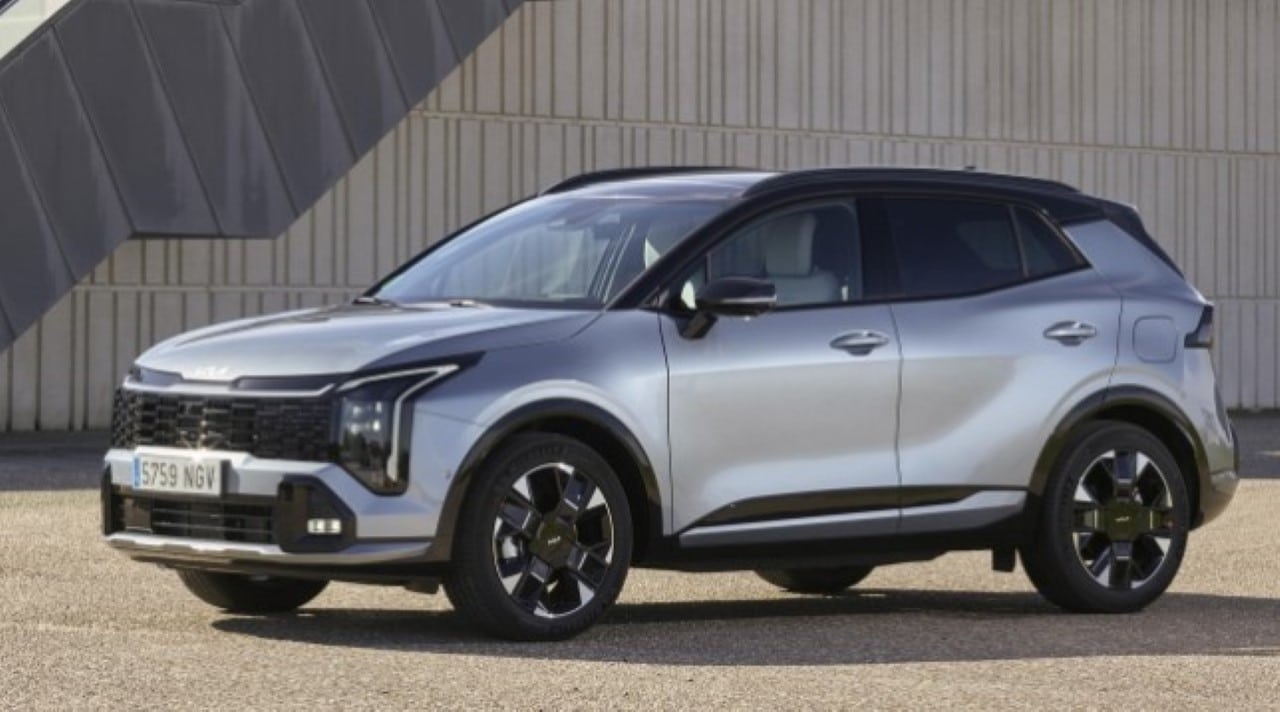
For those who need more space, the Kia Sportage Hybrid and Hyundai Tucson Hybrid emerge as strong competitors. The Sportage stands out for its power of 239 horsepower and a consumption of 5.4 liters per 100 km (18.5 km/l), offering a total autonomy that can exceed 587 km. Seu bold design and technological interior position it as a premium option in the segment.
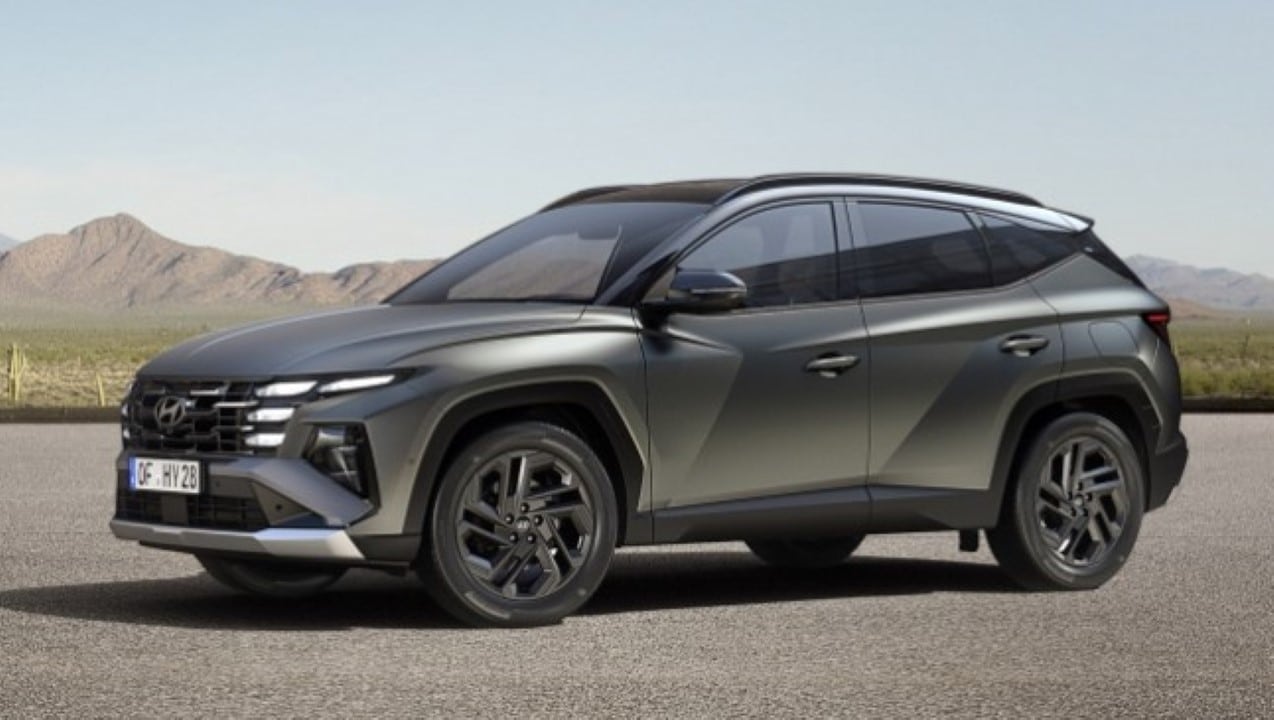
The Tucson Hybrid, in turn, delivers 215 horsepower and a slightly higher consumption of 5.7 liters per 100 km (17.5 km/l), but makes up for it with an impressive range of up to 616 km, thanks to its fuel tank and energy management system. Ambos South Korean models offer a wide range of driver assistance and comfort technologies, competing for the preference of families who do not compromise on efficiency and sophistication.
The consumer’s final decision
The growing supply of self-charging hybrid models demonstrates that automakers have identified a clear demand for more efficient vehicles, which still offer the freedom and practicality of combustion engines. The choice between the different models available will depend on the priorities of each consumer, be it performance, internal space, the level of embedded technology or cost-benefit. The trend indicates that these vehicles will continue to gain market share, acting as a smart and viable bridge to a fully electrified future.