

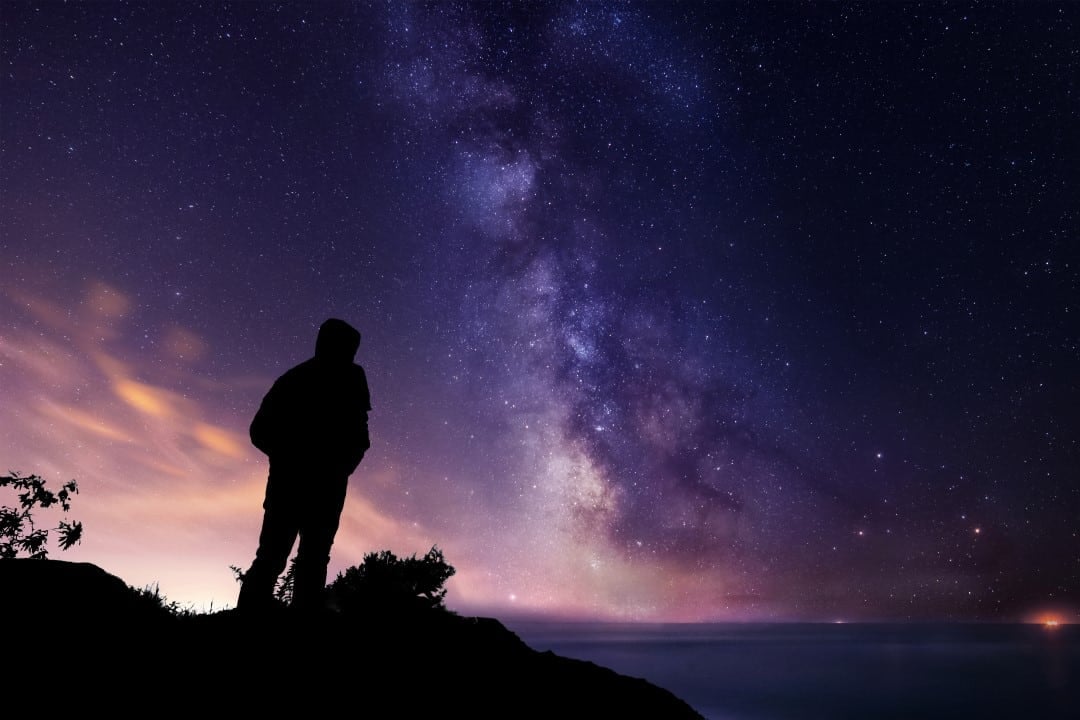
Summer nights in the Southern Hemisphere offer ideal conditions for observing the night sky, with prominent constellations and celestial objects visible just after sunset. In January 2026, the planet Júpiter reaches its opposition on the 10th, becoming one of the brightest points in the sky, positioned in the constellation of Gêmeos. Essa configuration favors the identification of five objects highlighted by experts, which can be appreciated with the naked eye, with binoculars or small telescopes in places with low light pollution.
These targets include nebulae, open clusters, and star formations located in Via Láctea-rich regions visible during the summer. Observation preferably takes place around 90 minutes after sunset, when the sky reaches total darkness. Condições clear weather and the absence of floods enhance the visibility of these points.
- Orion nebula, considered the main highlight
- Pleiades, known as the Sete Irmãs cluster
- Hyades, forming the face of Touro
- Cluster Duplo in Perseus
- Messier 35, near the feet of Castor
Orion nebula dominates the southern sky on summer nights
Nebulosa of Orion, cataloged as Essa formation appears as a fuzzy blur to the naked eye, but reveals stunning details with binoculars or small telescopes. Trata is a region of active star formation, composed of gas and dust ionized by hot central stars, including the Trapézio cluster.
The distance of Terra reaches approximately 1,500 light years, and its extension covers about 30 light years, equivalent to more than 20 thousand times the diameter of Sistema Solar. Observadores report the appearance of an irregular translucent cloud with grayish or greenish tones in larger equipment. Essa nebula represents one of the few visible to the naked eye in the moderate urban night sky, notable for the ultraviolet-induced fluorescence of embedded young stars.
Astronomers classify Nebulosa and Orion as a stellar nursery, where new star birth processes currently occur. Sua location on the sword of Orion makes identification easy even for beginners.

Pleiades and Híades form an iconic duo in the constellation Touro
Plêiades, or Messier 45, appears as a small cluster resembling a miniature shell or pan, high in the southern sky during January. Esse open cluster contains about a thousand stars in its main core, although typical observers identify six or seven with the naked eye under ideal conditions. Low power Binóculos reveals dozens of bright stars with a bluish hue, creating a diamond effect on a dark background.
The distance to Plêiades reaches around 440 light years, forming a larger complex with more than three thousand stars. Mitos ancients associate the group with the seven sisters of Greek mythology, influencing different cultures.
Close to Plêiades, Híades forms a V shape that outlines the face of Touro, with the orange star Aldebaran appearing to be part of the pattern, although located closer to Terra, 65 light years away. Esse open cluster is located 150 light years away and represents the closest known main cluster. As Híades includes hundreds of young stars, offering an interesting contrast to the haphazard lineup of Aldebaran.
Both clusters belong to the spiral arm of Orion in Via Láctea, a region rich in bright stars during the summer in the Southern Hemisphere.
Double cluster in Perseus impresses with stellar density
Aglomerado Duplo in Perseus, composed of NGC 869 and NGC 884, is located in a northwesterly direction, close to the constellation of An imaginary line extended from specific points on Cassiopeia leads to the diffuse blur that binoculars resolve into two magnificent groups of stars. Cada cluster encompasses a larger apparent diameter than the full Lua, requiring low magnification to capture both in the same visual field.
Close inspection reveals central reddish star in one of the clusters, adding chromatic contrast. Esses objects are traditionally associated with the sword handle of Perseus, standing out among the most spectacular in the night sky visible in January.
The separation between the two clusters allows simultaneous observation with wide-vision equipment. Sua position on Via Láctea contributes to the observed stellar richness.
Messier 35 shines near Júpiter in the constellation Gêmeos
The open cluster Messier 35 sits near the foot of Castor in the constellation Gêmeos, where Júpiter resides brightly during January 2026. The object reveals dozens of stars in curved rows, with the collective glow of hundreds of fainter members.
Experts describe Messier 35 as a splendid specimen, filling the visual field with uniform stellar glitter. Sua proximity to Júpiter in opposition facilitates location, as the planet acts as an intense light reference.
Another smaller cluster, NGC 2158, appears nearby, offering density contrast for observers with telescopes. The high position in the eastern sky makes the object accessible for much of the night.
Practical tips facilitate amateur observation at Brasil
Observing celestial objects requires choosing locations with minimal light pollution, such as interior regions of São Paulo, Minas Gerais or plateaus in Centro-West. Áreas like Chapada of the Veadeiros, in Goiás, and Chapada Diamantina, in the Cidades mountains, including Campos of Jordão and Nova Friburgo, provide better conditions than urban centers.
Simple equipment such as 7×50 or 10×50 binoculars resolves most of these targets without the need for complex telescopes. Aplicativos of celestial maps assist in real-time identification.
- Avoid nights close to full Lua, which reduces contrast
- Prefer times after midnight for higher skies
- Wear comfortable clothing for cool nights in elevated regions
- Check weather forecasts for cloudless nights
Events complement observations in January 2026
The Quadrântidas meteor shower peaks on January 3 and 4, offering up to dozens of streaks per hour in dark skies. Júpiter in opposition on the 10th appears larger and brighter, visible all night in the constellation of Gêmeos. Conjunções involving Lua and planets occur throughout the month, adding points of interest.
Lunar phases influence visibility: Lua new on January 18 favors deep observations in the second half of the month. Esses phenomena combine with the five main objects to enrich observation sessions.
Regular practice develops skill in locating celestial patterns independent of advanced equipment. Regiões rural areas and national parks gain popularity for astrotourism activities in the country.
Recommended locations expand observation experience
Destinations such as Serra from Mantiqueira, between São Paulo and Minas Gerais, have altitude and dry air favorable to atmospheric clarity. Parques nationals such as Lençóis Maranhenses and Serra of Brigadeiro are certified to preserve dark skies. Áreas inside Rio of Janeiro, including Santa Maria Madalena, register low light interference.
Amateur observatories and local groups organize collective sessions in different regions. The combination of affordability and visual quality makes Brasil a growing destination for enthusiasts.
These points allow clear visualization of the Via Láctea, framing the objects described. Planejamento prior travel guarantees maximum use of clear nights.



