
Serious failure in lithium batteries forces BYD to recall 89,000 Qin Plus DM-i vehicles in China


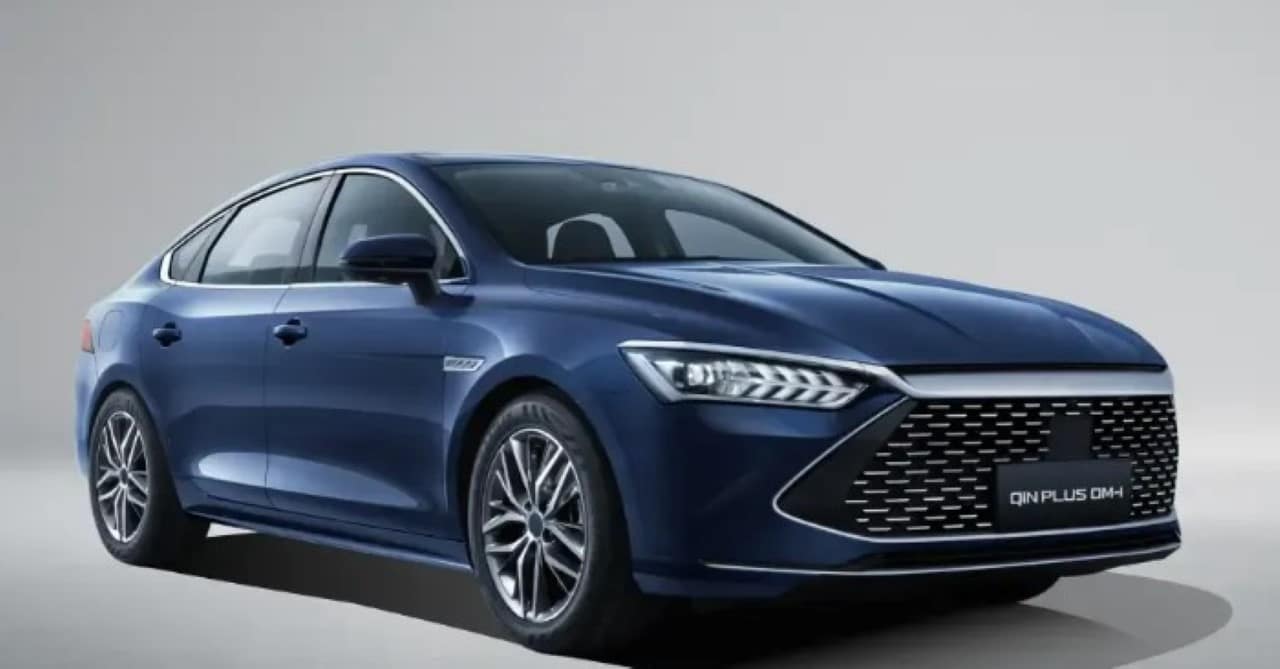
BYD, one of the world’s largest electric vehicle manufacturers, announced a large-scale recall on China involving 88,981 units of its popular plug-in hybrid sedan, the Qin Plus DM-i. The measure was motivated by the detection of a serious flaw in the manufacturing process of the lithium battery pack, which could compromise the safety of the vehicle’s occupants.
The call covers models produced between January 2021 and September 2023. The call was registered with Administração Estatal of Regulação of Mercado of
This recall adds to other similar actions carried out by the company in recent years, raising debates about quality control challenges amid an extremely accelerated production expansion to meet the growing global demand for electrified vehicles.
Defect details and associated risks
The root cause of the problem, according to BYD’s official statement, lies in an inconsistency in the manufacturing process of the high-voltage battery pack. Essa failure may result in internal misalignment of components, creating conditions for a short circuit within the power pack.
A short circuit in a lithium-ion battery is a critical event that significantly increases the risk of thermal runaway. Este phenomenon is a chain reaction that causes an uncontrolled increase in the temperature and internal pressure of the battery, which can lead to the emission of flammable gases and, in extreme cases, a fire in the vehicle.
The company highlighted that, although the probability of occurrence is low, the potential risk to user safety made the recall action essential. The failure can occur without prior warning, both with the vehicle moving and parked, which aggravates safety concerns.
The battery management system (BMS) of affected vehicles may not be able to detect the anomaly in time to prevent thermal runaway. Therefore, the solution proposed by the manufacturer involves both a software update and a physical inspection to ensure the integrity of the component.
The solution proposed by the manufacturer
To correct the failure and mitigate the risks, BYD developed an action plan divided into two main steps, which will be offered free of charge to all owners of vehicles involved in the recall. The first measure consists of a remote software update, known as Over-The-Air (OTA).
This update improves the battery management system’s algorithms, making it more sensitive to abnormal voltage and temperature variations that could indicate a potential short circuit. The new software is designed to issue early warnings to the driver and, if necessary, trigger safety protocols to isolate the problem. The second step in the process involves visiting an authorized dealer for a detailed physical inspection of the battery pack. Técnicos specialists will check the structural and electrical integrity of the component and, if any anomaly or non-conformity is detected, the battery pack will be replaced with a new one, at no cost to the customer.
BYD recall history
This call for the Qin Plus DM-i is not an isolated case in BYD’s recent history. The company, which leads sales of electric and hybrid vehicles, has faced recurring challenges related to the quality control of its components, especially batteries, which are manufactured internally.
In October of the previous year, the automaker had already issued a recall for more than 115 thousand units of the Tang DM-i and Yuan Pro models. The reason was similar: a potential fire risk associated with a latent battery defect, which could be triggered under certain usage and charging conditions.
Another significant recall occurred at the beginning of the same year, involving almost 97 thousand units of the Dolphin and Yuan Plus models, this time due to a failure in the battery cooling system which, in specific scenarios, could lead to overheating and compromise the vehicle’s safety. Esses events indicate continued pressure on the company’s manufacturing processes.
The role of Chinese regulation
The increasing frequency of recalls in the electric vehicle sector in China reflects a tightening of supervision by regulatory agencies. Administração Estatal of Regulação of Mercado (SAMR) has acted more proactively in investigating incidents and demanding corrective actions from manufacturers. The safety of electric vehicles, especially batteries, has become a priority for the Chinese government as it seeks to cement the country’s reputation as a leader in the production of safe and reliable automotive technology. Essa Regulatory pressure forces companies like BYD to invest more in durability testing and quality control, as well as maintain transparency with consumers by identifying and correcting design or manufacturing flaws. Strict oversight is seen as an essential step towards maturing the industry and ensuring that accelerated growth does not come at the expense of the safety of products reaching the market.
Measures for affected owners
BYD will begin notifying owners of recalled vehicles through letters, emails and telephone calls in the coming weeks. The company recommends that owners of Qin Plus DM-i models, manufactured in the specified period, pay attention to official communications and follow the guidelines provided.
In addition, the manufacturer will make an online consultation tool available on its official website, where owners can enter the Número of Identificação of the Veículo (VIN) to check if their unit is among those affected. The recommendation is that, upon receiving notification, scheduling service at the nearest dealership is done as quickly as possible to carry out the inspection and, if necessary, replace the component.
Quality and accelerated growth
The challenge faced by BYD with this massive recall illustrates a common tension in the electric vehicle industry: the need to balance a breakneck production expansion with maintaining rigorous quality standards. Global demand for electric cars has led manufacturers to scale their operations in unprecedented ways, which could strain supply chains and quality check processes.
For companies like BYD that verticalize much of their production, including manufacturing the battery cells themselves, control over each step of the process is crucial. Qualquer deviation or inconsistency can have a cascading impact, affecting thousands of vehicles. The way BYD manages this recall will be fundamental to maintaining consumer confidence and reinforcing its commitment to safety, an essential pillar for the sustainability of its leadership in the global market.



