

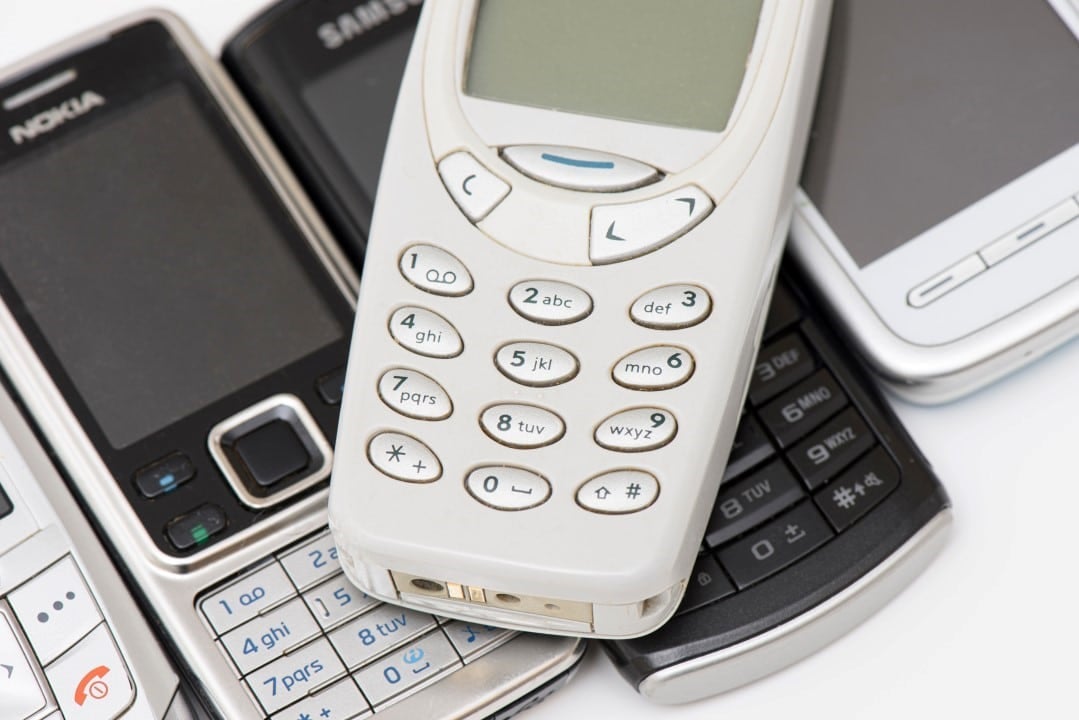
A cell phone dealer in Trípoli, capital of
The delay of exactly 16 years was a direct result of the civil war that broke out in 2011. The instability interrupted logistics and customs services, even though it was a local shipment within the same city.
The unboxing video was widely circulated on social media and showed the merchant opening the boxes with surprise and laughter. The devices appeared in good condition, revealing items that were popular before the era of dominant smartphones.
Unexpected delivery details
The package contained units of iconic models of the time, such as the Nokia 5300 and the N95. Esses devices stood out for features like dedicated music playback and slide-out keyboards.
The shipment was national and involved the sender and recipient separated by a few kilometers in Trípoli. Ainda thus, the logistical process stopped completely as the conflict progressed.
The merchant opened the boxes in a store environment and recorded the moment on video. The recording captured reactions of astonishment at seeing technologies considered obsolete in 2026.
A command of Nokia arrives 16 years later
—Renard Jean-Michel (@Renardpaty)January 8, 2026
A libyen dealer, installed at Tripoli, will have command of these telephones in 2010, but will not be available until 2026.pic.twitter.com/0SoXaMCK7w
Context of the Libyan conflict
The civil war in Líbia began in 2011 with protests against the Muammar Gaddafi regime. The revolt evolved into an armed confrontation with international intervention led by the Otan.
Gaddafi was deposed and killed the same year, but the power vacuum generated lasting divisions. Grupos rivals fought for control of the territory and established parallel administrations in different regions.
Between 2014 and 2020 a second intense phase of fighting occurred. Acordos ceasefires were signed, but tensions persist and affect basic services to this day.
Transport and communications infrastructure suffered significant damage during these periods. Depósitos and logistical routes were inaccessible or abandoned for years.
Nokia models involved
- Nokia 5300: music-focused version with slider and dedicated audio controls.
- Nokia N95: equipped with a high-resolution camera for the time and Symbian operating system.
- Communicator Line: devices with a full QWERTY keyboard aimed at productivity.
- Music editions: variants with expanded storage and advanced equalizers.
These devices represented the heyday of feature phones before the massification of touchscreens. Eles maintained high demand in emerging markets such as the north of África.
Technological evolution in the period
In 2010, cell phones with physical buttons dominated the global market. Nokia had a significant leadership in sales of basic and intermediate devices.
The release of the iPhone 4 in the same year accelerated the transition to touchscreens. Fabricantes quickly migrated to Android and iOS systems in the following years.
By 2026, smartphones will incorporate 6G connectivity in tests and integrated artificial intelligence features. Câmeras multiple and advanced processors have made button models obsolete.
The physical durability of the classic Nokia remains recognized. Old Unidades still work after long periods of proper storage.
Impact on local logistics
Armed conflicts interrupt supply chains for a long time in several regions. Na Líbia, postal and private transport services paralyzed during spikes in violence.
Commercial warehouses accumulated undelivered goods due to lack of security on the routes. Muitas orders were forgotten until partial normalization of operations.
The recent delivery took place against a backdrop of relative stability at Trípoli. Autoridades locations have resumed part of their administrative functions in recent years.
Similar cases of extreme delays are rare, but they illustrate practical consequences of political instability. Empresas adjust routes and inventories in response to regional risks.
Current value of devices
Classic Nokia models have gained collectible status in specialty markets. Unidades in new condition acquires a higher value than the original due to its rarity.
Online platforms record sales of similar devices at high prices. Colecionadores look for preserved versions with original packaging.
In the Libyan context, the devices may attract local interest out of nostalgia. Parte of the population remembers the pre-conflict period associated with these models.
The conservation of the units reflects the construction quality of the Finnish brand. Baterias and components have withstood prolonged storage without significant degradation.
Reactions on social media
The unboxing video racked up millions of views in just a few weeks. Usuários commented on the contrast between 2010 technology and current standards.
Many highlighted the unintentional humor of the situation without downplaying the serious background. The delay served as a concrete example of the lasting effects of conflict.
Sharing occurred on several global platforms. The story reached audiences outside the Libyan context due to the curiosity it generated.
Similar reports of late deliveries emerge sporadically in post-conflict regions. Eles reinforce the resilience of certain logistics systems even in adverse conditions.
Preservation as a technological relic
The cell phones delivered act as a time capsule of a specific era of mobile telephony. Eles exhibit robust designs and simple interfaces characteristic of the period.
Technology museums include Nokia models in permanent exhibits. Peças in original condition have documented historical value.
On the secondary market, prices vary depending on model and condition. Exemplares sealed ones reach higher quotas among enthusiasts.
The Nokia brand maintains a current presence with new Android devices. The heritage of feature phones remains associated with world-renowned durability.
Current situation in Trípoli
Tripoli is home to the headquarters of the internationally recognized government. The city experiences periods of relative calm interspersed with political tensions.
Commercial services have operated more regularly in recent years. Lojas of electronics resumed varied stocks of current products.
The local population accesses modern technologies at an increasing rate. Smartphones dominate daily use among different age groups.
Incidents such as late delivery remind us of recently overcome challenges. Eles circulate as curious stories in everyday life in the Libyan capital.



