


The growing presence of advanced driver assistance systems (ADAS) in new vehicles is redefining road safety standards, but it also introduces a new financial challenge for owners. Tecnologias such as automatic emergency braking and adaptive cruise control, although essential for preventing accidents, make repairs and maintenance significantly more complex and costly, even after minor collisions.
Automotive industry experts project that the fleet of vehicles equipped with multiple ADAS systems is expected to double in the coming years, driven by new regulations and consumer demand. Essa massive expansion means that previously simple procedures, such as changing a windshield, now require precise recalibration of sensors and cameras, a service that demands specific equipment and highly qualified labor.
The financial impact is already felt by drivers and insurers. The need for specialized technical interventions increases the average cost of claims, directly affecting the value of insurance premiums and maintenance budgets. Para For many owners, unexpected costs for calibrating sensors after a slight impact on the bumper have become a worrying reality.
What are ADAS systems and their expansion in the market
ADAS systems represent a set of electronic technologies developed to automate and improve vehicle safety. Utilizando a network of sensors, radars and cameras, they monitor the environment around the car in real time to identify potential dangers. Entre the most common features are autonomous emergency braking (AEB), which detects obstacles and applies the brakes to avoid or mitigate a collision, lane keeping assistant (LKA), which corrects the vehicle’s trajectory, and blind spot detector (BSM), which alerts you to the presence of other cars in areas of low visibility. Esses features are designed to reduce human error, the main cause of traffic accidents.
The adoption of this technology has grown exponentially around the world, including in Brasil. Inicialmente Restricted to luxury models, ADAS systems are becoming standard items in vehicles in more affordable segments, especially with the arrival of new manufacturers and the intensification of competition. Projeções of the market indicate that, by 2028, a significant portion of the circulating fleet will have at least one advanced assistance feature. Essa trend is reinforced by legislation in several countries that make the inclusion of certain active safety equipment mandatory, accelerating the modernization and safety of the global fleet.
The reasons for the need for frequent calibration
The effectiveness of ADAS systems directly depends on the millimeter precision of its components. Sensores and cameras, generally located on the windshield, front grille and bumpers, are extremely sensitive to any type of misalignment.
Even a slight impact, such as a small bump in a parking lot or contact with a hole in the road, can be enough to displace a sensor and compromise the functioning of the entire system, generating false alerts or, worse, failing in an emergency situation.
In addition to specific events, factors such as tire replacement, suspension changes or even natural wear and tear contribute to the gradual loss of component precision. The manufacturers themselves recommend periodic checks to ensure that the systems operate according to factory specifications.
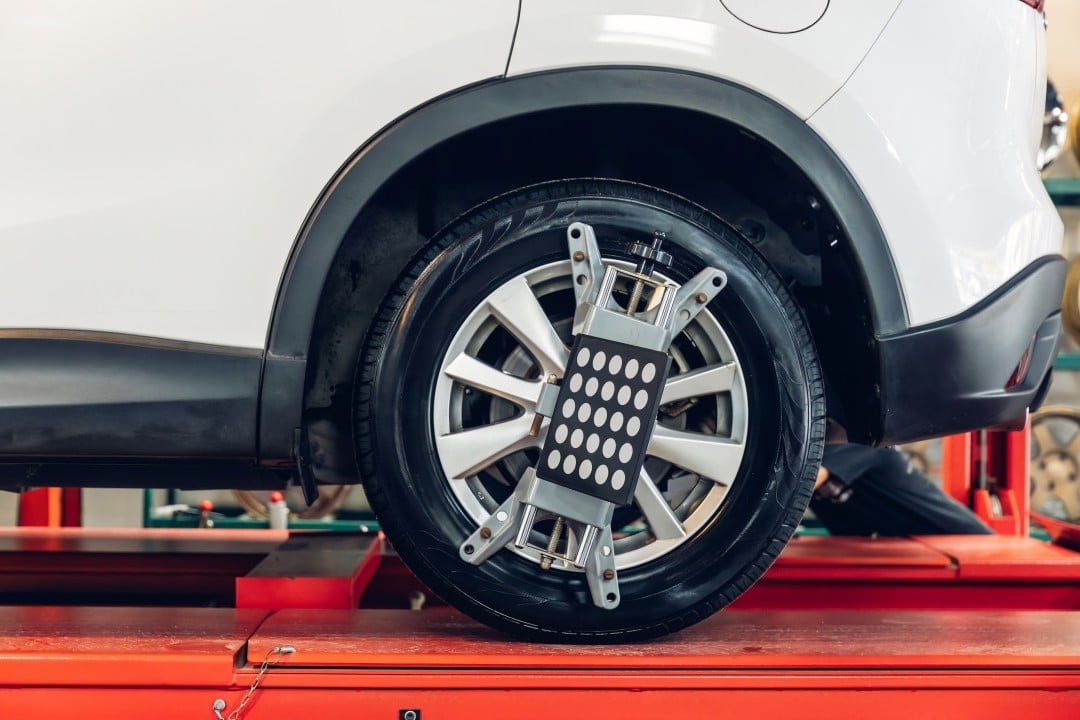
The adjustment process, known as calibration, can be static, carried out in a workshop with the vehicle stopped in front of specific panels, or dynamic, which occurs with the car moving under controlled conditions. Ambos the methods require expensive diagnostic equipment and technicians with specialized training, which justifies the high cost of the service.
Costs involved in technical procedures
The cost to recalibrate ADAS systems represents a considerable and often unexpected expense for owners. Nos Estados Unidos, the average cost of the procedure varies, but is often around 500 dollars, which is equivalent to more than R$2,600 in direct conversion. No Brasil, these values can be even higher, depending on the vehicle model, the complexity of the onboard technology and the region of the country. In dealerships and specialized workshops, the calibration service after changing a windshield, for example, has become a mandatory and costly step in the repair, as the camera responsible for the lane assistant is attached to the glass. Reparos that involve the replacement of multiple sensors, such as after a frontal collision, can easily exceed the R$10,000 mark. The scarcity of qualified labor and the need for imported tools are factors that keep prices high, and the tendency is for this reality to continue while the market adapts to the new demand.
Direct impact on insurance and vehicle ownership
The complexity and cost of repairs on vehicles with ADAS are directly influencing the auto insurance market. Embora these technologies help to reduce the frequency of accidents, the severity of the costs when an accident occurs is much greater.
This forces insurers to reevaluate their pricing schedules, resulting in higher premiums for models equipped with these advanced systems. The bill, in the end, is transferred to the consumer, whether through more expensive policies or high deductibles.
Insurance companies report that a collision that once would have required just a body repair and paint job now involves expensive sensor replacement and subsequent calibration. Esse increase in the average cost of claims puts pressure on the sector’s margins and justifies annual adjustments.
Security benefits that overcome challenges
Despite the financial burden, it is undeniable that the benefits of ADAS systems for traffic safety are immense. Estudos carried out by road safety institutes around the world demonstrate a significant reduction in the number of frontal collisions, lane departures and accidents in general in vehicles that have these technologies.
Features such as automatic emergency braking have proven particularly effective in preventing pedestrian collisions in urban areas and reducing the severity of impacts on highways. In the long term, investment in safety translates into the preservation of lives and the reduction of social costs associated with accidents.
Preparing for the fleet of the future
For owners of vehicles equipped with ADAS, financial planning becomes essential. It is essential to include potential costs for periodic checks and calibrations in the maintenance budget, as recommended in the manufacturer’s manual. Optar by certified workshops with adequate equipment is crucial to ensure that repairs are carried out correctly, maintaining the integrity and effectiveness of safety systems, which are vital for protecting the driver and everyone around them.



