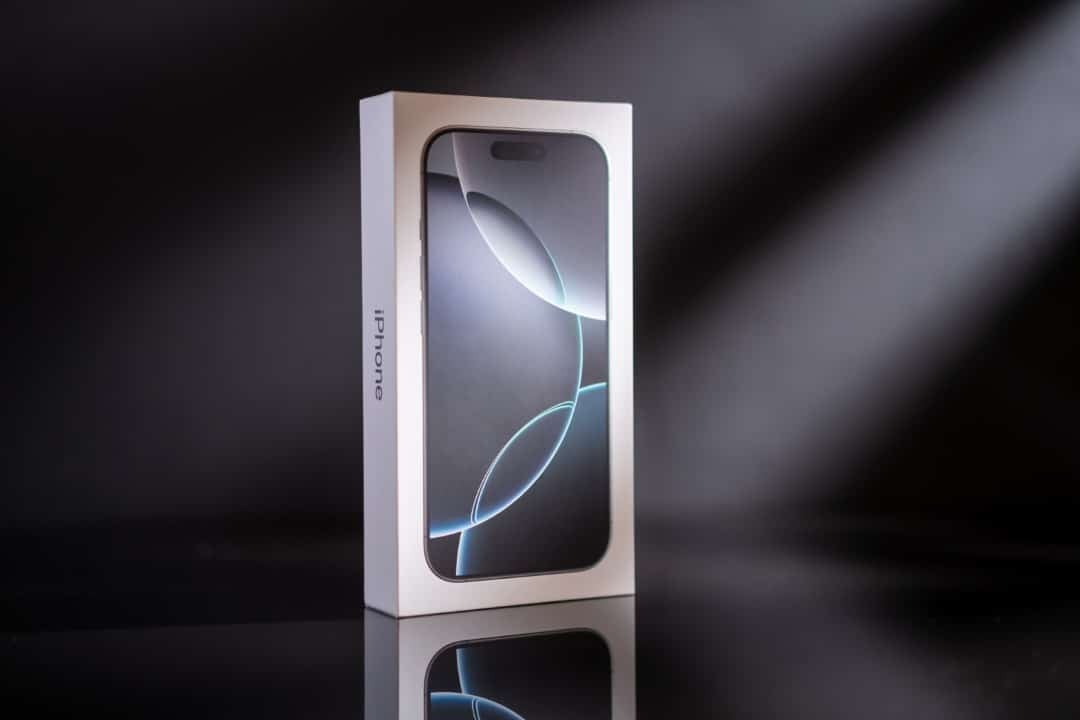
New information about the future line of smartphones from Apple indicates a significant visual change for the most advanced models. Recent Rumores, shared by sources with a history of success in the industry, suggest that the iPhones 18 Pro and Pro Max may adopt screen technology with sensors under the display, eliminating the Dynamic Island that marked recent generations.
This change would represent an important step by the company towards a design with a fully immersive and interruption-free screen. The innovation, however, would be exclusive to the Pro versions, while the standard models, iPhone 18 and iPhone Air 2, would remain with the cutout design already known to the public.
The expectation is that the new generation will be revealed in stages, with the Pro models hitting the market in the second half of 2026, following the traditional Apple schedule. Já the entry-level versions would have their launch scheduled for the beginning of 2027, a strategy that allows the company to manage production and maintain consumer interest for longer.
What changes with under-display technology
The main innovation highlighted for the iPhone 18 models Pro and Pro Max is the implementation of an “under-display” area, which consists of positioning the complex sensors of the Face ID facial recognition system directly under the OLED panel. In practice, this means that the components would become invisible during normal use of the device, freeing up space at the top of the screen and providing a more continuous viewing experience without visible cutouts. Essa approach is technically challenging as it requires sensors to work seamlessly across screen pixels without compromising image quality or facial recognition accuracy.
This transition represents the natural evolution of the iPhone’s front design, moving away from the Dynamic Island, which was introduced as a software solution to interactively integrate hardware cutout. By hiding the sensors, the Apple seeks to deliver what many users want: a screen that occupies the entire front of the device. Although the front camera may still remain in a small circular cutout at first, hiding the Face ID system would already be a considerable aesthetic and functional advance, reinforcing the perception of a more modern and premium product compared to models that will maintain the previous format.
Screen specs for the entire iPhone 18 lineup
According to the leaks, the display sizes should remain consistent with those of the previous generation, but with the new distinction in the cutout design. The complete lineup would have four variants with well-defined screen specifications.
The standard iPhone 18 would feature a 6.3-inch screen, while the second generation iPhone Air would have a larger 6.5-inch display. Ambos models would maintain Dynamic Island technology and be equipped with LTPO panels capable of reaching refresh rates of 120 Hz.
In turn, the iPhone 18 Pro would adopt a 6.3-inch display, and the iPhone 18 Pro Max would come with a 6.9-inch screen. The big news for these two would be the under-display area for the sensors, offering a cleaner look.
LTPO (Low-Temperature Polycrystalline Oxide) technology of 120
Apple differentiation strategy
The decision to reserve the most advanced screen technology only for the Pro models follows a consolidated strategy by Apple to segment its product portfolio. By creating a clear and immediate visual differentiation between the lines, the company reinforces the premium status of the more expensive versions, encouraging consumers to opt for devices that offer the latest innovations.
This tactic is not new and has been used in previous releases, such as when the 120 Hz ProMotion technology was introduced exclusively on the Pro models. The measure creates an update cycle where innovations first reach high-end devices before eventually being democratized for entry-level models in future generations.
In this way, the absence of the Dynamic Island in the Pro models would function as a strong marketing appeal, justifying the price difference and positioning the devices as the vanguard of the brand’s design and technology.
The path to a cutout-free display
The adoption of under-display sensors for the Face ID on the iPhone 18 The journey to hide all frontal components is complex, and the facial recognition system, with its multiple sensors, represents one of the biggest challenges. By solving this step, the Apple paves the way for the next big innovation, which would also be hiding the selfie camera under the panel. Under-display camera technology already exists in some Android devices, but still faces obstacles related to image quality, such as clarity and light capture, which do not reach the standard of excellence required by the Apple. Portanto, the company appears to be approaching the problem gradually, ensuring that each hidden component works flawlessly before moving on to the next, a process that could take a few more generations to fully complete.
Staggered release schedule
Information indicates that Apple plans a divided launch schedule. The iPhone 18 models Pro and Pro Max should be announced and launched in September 2026, maintaining the traditional presentation window for the company’s main products.
In contrast, the standard iPhone 18 and the new iPhone Air would be for a later launch, scheduled for spring 2027 in the northern hemisphere. Essa The strategy of spacing out arrivals to the market allows the company to better manage supply chains and focus marketing efforts at different times of the year.
Impact on design and competition
The potential removal of the Dynamic Island on the Pro models would significantly alter the visual identity of the iPhone, which has remained relatively consistent across generations. Essa change would put the Apple in a more competitive position when it comes to screen design, moving closer to the minimalist aesthetic that many competitors are already striving for.
The implementation of under-display technology will be closely watched by the industry, as Apple is known for adopting new technologies only when it considers they have reached a high level of maturity and reliability. The success of this transition could set a new standard for high-end smartphones.
Continuity in display features
Despite the major change in cutout design, other fundamental aspects of screen quality must be maintained. LTPO technology, which allows variable refresh rate up to 120Hz, will continue to be a pillar to ensure interface fluidity and energy efficiency across the entire iPhone 18 line.