

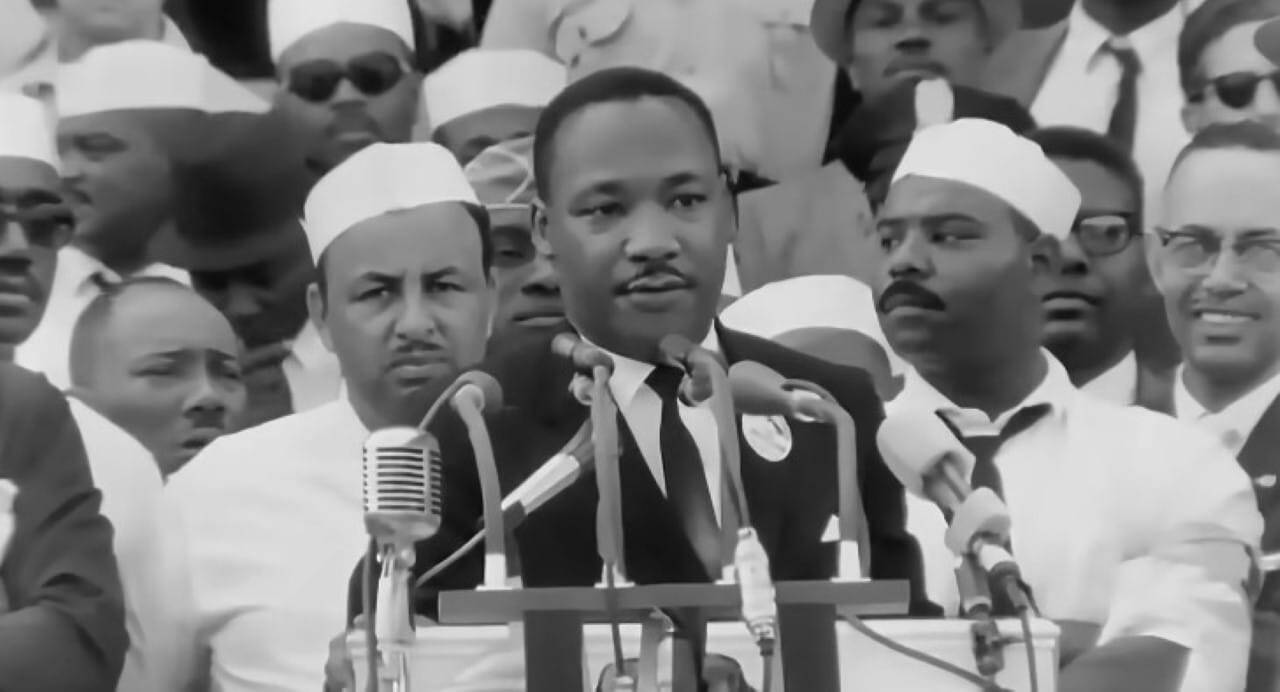
Historian and writer James Truslow Adams popularized the term “American dream” in 1931, during Grande Depressão, in his best-selling book “The Epic of Três decades later, Martin Luther King Jr. incorporated the metaphor in his famous speech “I Have to Dream”, given on August 28, 1963, at Marcha about The expression, which Adams repeated dozens of times in the work, gained a new dimension with King as it was associated with the struggle for civil rights.
The connection between the two figures highlights how ideas can be adapted to different contexts over time. Adams sought to restore hope to a nation shaken by the economic crisis, while King used it to defend racial equality. Historiadores point out that the genius of King was in transforming an already widespread concept into a powerful emotional calling.
Who was James Truslow Adams
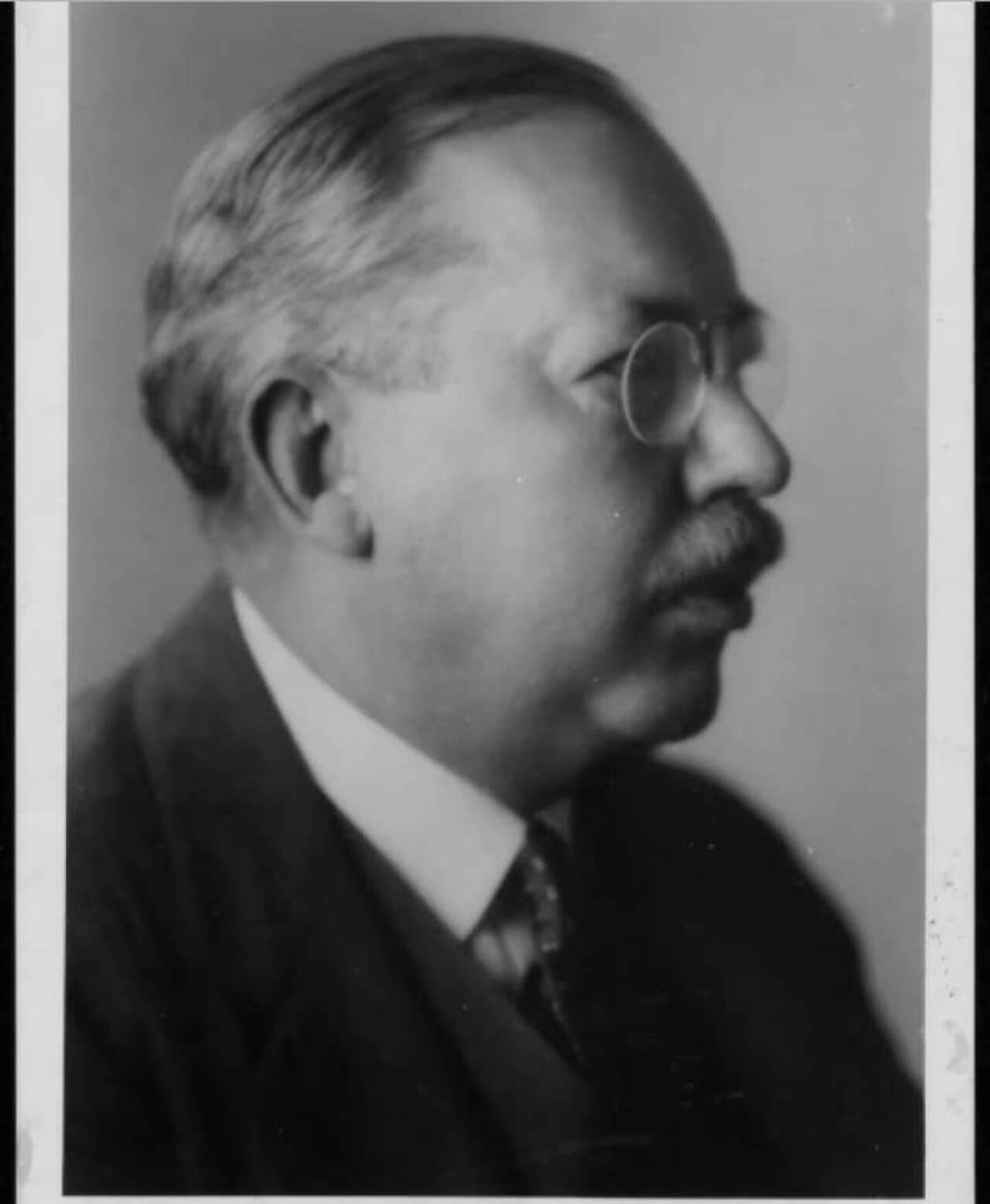
James Truslow Adams was born in 1878, into a wealthy Brooklyn family, in Nova York. Ele built a successful career as an investment banker at Wall Street and accumulated enough wealth to retire early and devote himself to historical writing.
Adams won the Prêmio Pulitzer of História in 1922 with the book “The Founding of New England”. Sua’s most influential work, however, came in 1931, when he published “The Epic of America” to rekindle Americans’ optimism in the midst of the crisis.
The author advocated small government and rugged individualism. Ele saw the American dream as an opportunity for full development, regardless of social origin or birth.
Original definition of the concept
Adams described the American dream as a social order in which each person could reach the fullest of their innate potential. The vision included recognition by others regardless of fortuitous circumstances of birth or position.
The writer emphasized that it was not just about material goods, like cars or high salaries. Ele sought a better, richer, fuller life for all, based on individual ability and achievement.
The book became a bestseller because it offered a name and clear definition for a collective aspiration in a time of despair. The expression spread rapidly throughout American popular culture in the following decades.
Context of Grande Depressão
The publication of “The Epic of America” occurred at the height of the economic crisis of the 1930s.
Authoritarianism was growing in the Europa, and similar fears were emerging in the Estados Unidos. Adams used the dream metaphor to remind citizens of the country’s unique potential.
American soldiers took the book during Segunda Guerra Mundial. Poetas like Langston Hughes incorporated the idea in works that defended racial freedom.
- The American dream symbolized a stable job and a home in the suburbs in the 1950s.
- The expression became a cultural meme even before the digital age.
- Adams repeated the term more than 30 times in the work to establish it in the national imagination.
Adaptation by Martin Luther King Jr.
Martin Luther King Jr. delivered variations on the dream theme in sermons prior to Marcha on Washington. In 1963, he improvised the famous repetition of the phrase “I have a dream” after encouragement from Mahalia Jackson on the stage.
King rooted his vision in the American dream but added demands for racial justice and equality. Ele described a nation in which children of former slaves and former masters could sit together.
Historians highlight that King did not plagiarize the metaphor, but revitalized it. The leader transformed a tired concept into vibrant oratory that mobilized crowds.
The poetic repetition of the phrase created a frenzy in the audience of 250 thousand people. King brought personal emotion to the idea, something that Adams, from a privileged background, could not replicate.
Differences between views
Adams and King shared the idea of a harmonious social order, but differed on central points. Adams benefited from unfettered capitalism and criticized New Deal of Roosevelt for expanding government.
King, a democratic socialist, defended universal healthcare, guaranteed income and state intervention to reduce inequalities. Ele saw government as a tool to protect the disadvantaged.
Adams limited himself to the perspective of European migration and white men in his historical narrative. King expanded the dream to include the fight against racism and exclusion.
Repercussion today
By 2026, surveys indicate that nearly half of Americans consider the dream unattainable. Desigualdades of income reach levels comparable to those of the 1920s.
Trust in government is at historic seven-decade lows. Debates about authoritarianism and concentration of wealth echo concerns of the era of Adams.
O discurso de King continua referência cultural apesar de divisões raciais e políticas atuais. A metáfora do sonho permanece medida para avaliar progresso social nos Estados Unidos.
Metaphor’s Lasting Legacy
The term American dream serves as the connective tissue of national identity even in polarized times. Gerações successive generations see the concept threatened, but it resists as a collective ideal.
King elevated the idea of Adams to a vision for which many were willing to risk their lives. The 1963 speech transformed a cliché into an eternal call for equality.
Adams mapped out the territory of the dream, but King made the metaphor resonate through the story. The combination of contributions maintains relevance in contemporary debates about opportunity and justice.



