Nintendo Switch 2 launch faces challenges with sales below initial market projections
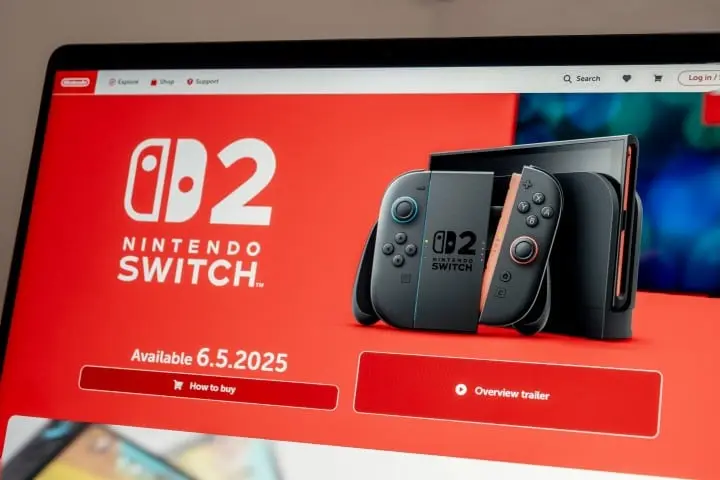
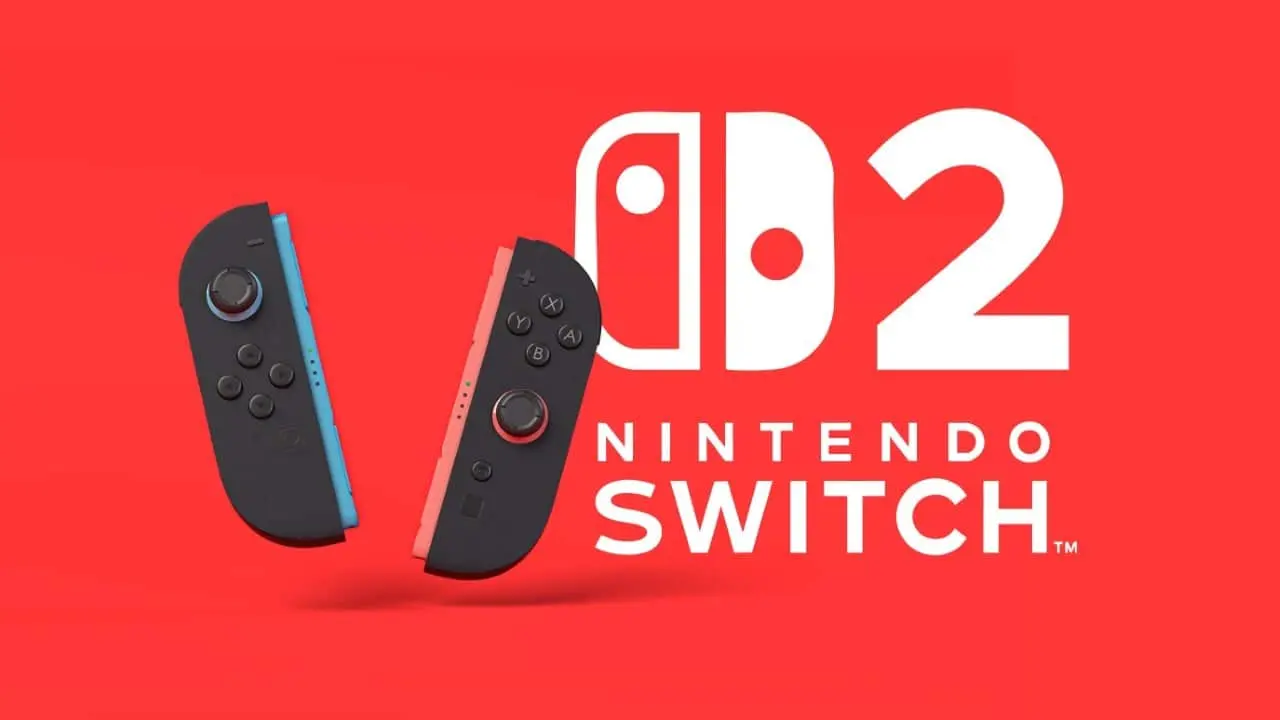
The launch of Nintendo Switch 2, which hit the market in early 2026, has generated intense debate among gaming industry analysts. Dados preliminary sales indicate a more restrained performance than initial projections, raising questions about the strategy adopted by Nintendo for its new console. The initial performance contrasts with the overwhelming success of its predecessor, launched in 2017, which redefined the hardware market.
Experts point to a combination of factors for the slower sales pace, including a launch catalog without an impactful title comparable to “The Legend of Zelda: Breath of the Wild”, which was crucial to the initial momentum of the first Switch. Além Furthermore, the global economic scenario and the price positioning of the new hardware are seen as important variables in this initial commercialization phase.
The central discussion now turns to how Nintendo will adjust its approach in the coming quarters. The company is banking on a robust schedule of software releases throughout the year to gradually build the user base, a tactic that differs from the strong start that characterized the previous generation of the hybrid console.
Performance in key global markets
In Estados Unidos, considered the largest gaming market in the world, data from analysis company Circana reveals a challenging scenario. Durante the first few weeks after release, sales of Nintendo Switch 2 were approximately 35% below the numbers recorded by the original Switch in the same period in 2017. The absence of a console bundle with a game with broad appeal, as was the case with
More on this story: Initial sales performance of the Nintendo Switch 2 falls below its predecessor and generates debate in the market
On Europa, the situation is similar, with the Reino Unido reporting a 16% drop in sales compared to the previous console’s debut. Fontes in the sector indicate that the fiercer competition with already established platforms, such as the PlayStation 5 and the Xbox Series, is influencing the purchasing decision of consumers, who are waiting for a more robust catalog of exclusive games before investing in new hardware.
The Japanese market, home of Nintendo, also presents numbers that, although positive, did not meet the most optimistic expectations. Sales in the first month were about 11% lower than the original Switch. Strong brand loyalty ensures a solid foundation, but analysts note that the transition of the more than 140 million owners of the first Switch to the new model will directly depend on the offering of unique and innovative software.
The combination of these regional results signals that Nintendo’s internal goal of reaching 10 million units sold in the first fiscal quarter may be a difficult objective. The company has not yet officially commented on the market reports, but the expectation is that a direction will be presented at the next meeting with investors.
The absence of a weighty title
One of the most criticized points in the Nintendo Switch 2 launch strategy is the lack of a “system seller”, a game with mass appeal capable of justifying the immediate purchase of the console. In 2017, “The Legend of Zelda: Breath of the Wild” fulfilled this role masterfully, being acclaimed by critics and the public and becoming a milestone in the industry. The initial catalog of the new console, although with quality games, lacks a title with the same strength of attraction, which directly impacts the interest of the casual consumer.
Nintendo opted for a long-term plan, announcing major titles such as a new 3D “Mario” and “Pokémon Legends: Z-A” for late 2026 and early 2027. However, this approach left a gap in the launch period, a crucial time to establish a strong user base and generate market excitement.
The price factor and the economic scenario
The price positioning of the Nintendo Switch 2 has proven to be a determining factor in its initial reception. Lançado in a scenario of global economic uncertainty, with consumers more cautious about spending on entertainment, the value of the new console is significantly higher than that of its predecessor in 2017. Competition with the PlayStation 5 and Xbox Series, which already have vast game libraries and frequently enter promotional periods, intensifies this pressure on the new Nintendo hardware. Analistas market share suggests that the perception of cost-benefit has not yet been fully established for the average consumer, who compares not only hardware, but also the availability and price of games. Nintendo’s strategy of not competing directly on raw processing power, but rather on gameplay innovation, may take longer to convince the player base to migrate to the new platform, especially those who already own the original model and still have a wide range of titles to explore.
See Also


The installed base of the original model
The impressive milestone of more than 140 million units sold of the first Nintendo Switch represents both an opportunity and a challenge for the successor. On the one hand, there is a massive audience familiar with the Nintendo ecosystem, which would theoretically facilitate the transition to the new hardware. Muitos of these users are loyal to the brand and look forward to the next big releases.
On the same topic: Nintendo’s new console records lower sales performance than its predecessor during its debut period
On the other hand, this huge installed base also generates a certain inertia. Muitos gamers are still satisfied with their current console and its extensive game library. Sem a technological or functional leap that is immediately noticeable and essential, the motivation to upgrade decreases, especially for families that have multiple devices. Nintendo needs to clearly and effectively communicate the unique benefits of Switch 2 to accelerate this migration.
Long-term software strategy analysis
Nintendo appears to be playing a game of solitaire with its software strategy for the Switch 2. The company has confirmed that titles from its biggest franchises are in development, but with release windows stretching into 2026 and 2027.
By staggering the arrival of large games, the company seeks to create continuous peaks of interest, keeping the console relevant in the media and retail for longer. The idea is that each major launch acts as a new wave of marketing, gradually attracting different segments of the public.
However, the risk of this strategy is losing the initial momentum, which is fundamental to building a perception of success in the market. A slow start could be difficult to reverse and could lead retailers to reduce shelf space and marketing investment for the new console, pending confirmation of stronger demand.
More on this story: Initial sales performance of the Nintendo Switch 2 does not surpass its predecessor and raises alarms in the games sector
Comparison with the competition
The competitive environment that Nintendo Switch 2 finds in 2026 is notably different from that of 2017. At the time, the PlayStation 4 and Xbox One were already halfway through their life cycle, and the Switch arrived with an innovative hybrid proposal that clearly differentiated it. Hoje, the PlayStation 5, and the Xbox Series X/S are established, with robust ecosystems, compelling subscription services, and a steady stream of big-budget games.
Although Nintendo traditionally operates in its own niche, audience overlap is inevitable. Consumidores on a budget need to make choices, and the competition offers very clear value propositions. Para stands out, Switch 2 needs to reinforce its differences, such as portability and the strength of its exclusive franchises, in an even more assertive way.
Expectations for the coming months
The market’s focus now turns to Nintendo’s upcoming announcements, especially during key industry events. The reveal of new games, gameplay demonstrations that highlight the power of the new hardware and possible strategic adjustments, such as the creation of console bundles with games, will be crucial in shaping the sales trajectory of the Switch 2 throughout its first year of life.