
Canada-China agreement cuts tariff on electric vehicles and boosts Lotus Eletre sales By Beatriz
4 min read
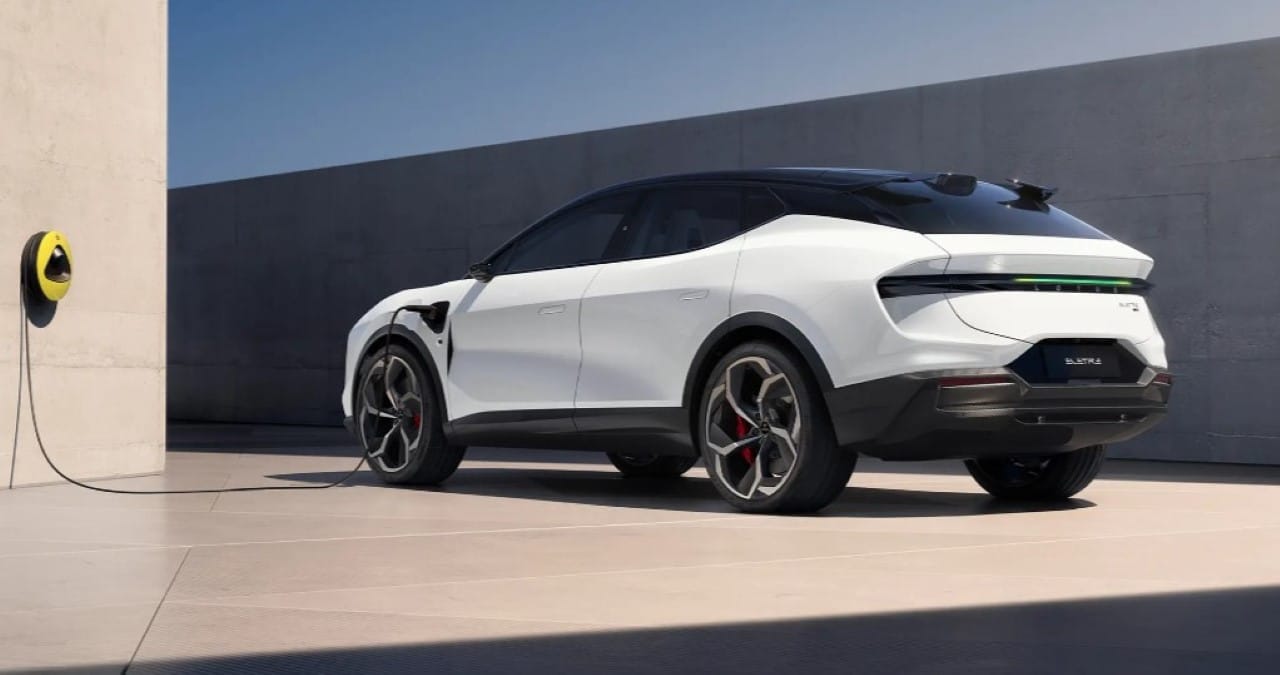 |
The Canadian government announced an adjustment to the import tariff applied to electric vehicles manufactured in China. The measure reduces the rate from 100% to 6.1% on an initial annual quota of 49 thousand units. The bilateral agreement with China directly benefits models such as the Lotus Eletre, the first hyperelectric SUV from the British brand controlled by the Chinese group Geely.
The change comes in the context of trade negotiations that involve reducing barriers on Canadian agricultural products. Fabricantes installed in China gain more competitive access to the North American market. The Lotus Eletre, positioned in the luxury segment above 80 thousand dollars, is expected to register a significant drop in the prices charged in the Canadá.
Lotus Technology confirmed that the planned price for the model in the country will be revised downwards by approximately 50%. The company already has an established sales structure in Canadian territory. The policy takes effect immediately for units within the established quota.
Commercial agreement details
The understanding between Canadá and China establishes an annual quota of 49 thousand electric vehicles with a preferential tariff of 6.1%. The volume should grow progressively in the coming years. The measure replaces the 100% surcharge imposed in 2024 as a response to commercial practices considered unfair.
In return, China committed to reducing tariffs on Canadian agricultural products such as canola seeds. Chinese rates on these items are expected to fall to around 15% by March. The pact also includes temporary lifting of restrictions on Canadian lobster and crab.
Direct benefits for Lotus Eletre
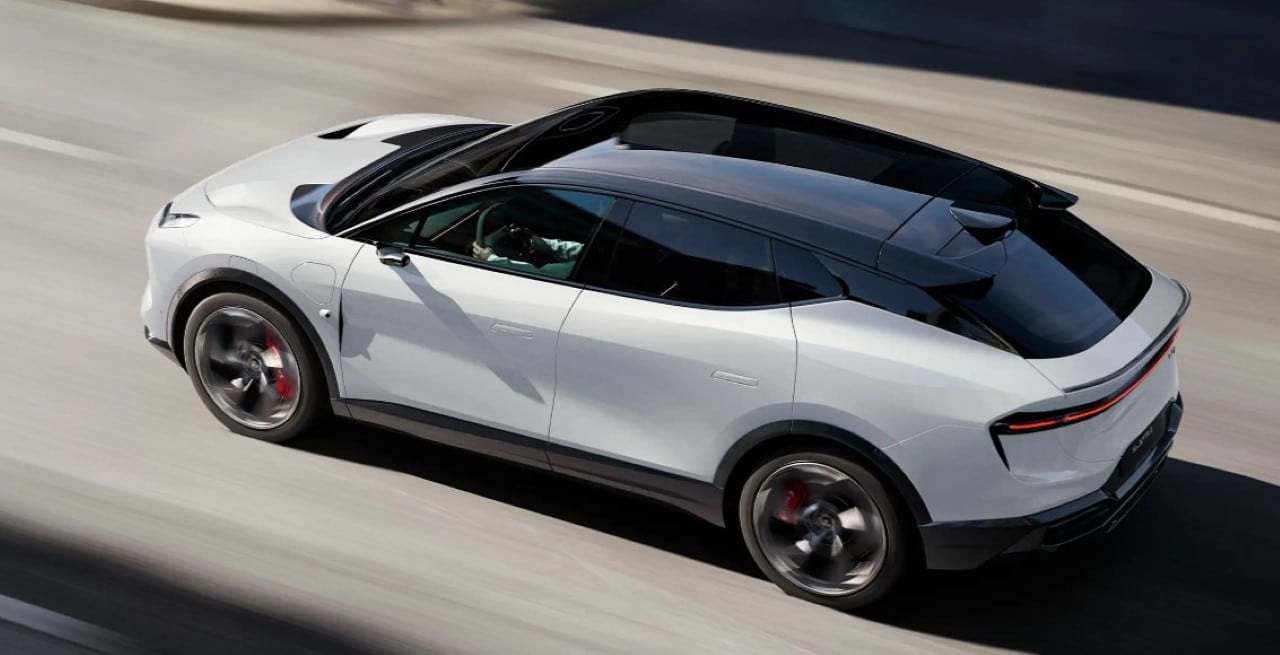
Lotus Eletre stands out as the main immediate beneficiary of the new tariff policy. The model, manufactured in Wuhan, completed certifications for the North American market in 2024. Antes of the reduction, the high price limited sales volume in Canadá.
With the adjusted tariff, Lotus estimates the retail value of the standard Eletre to be close to 63 thousand Canadian dollars. The R version, more powerful, should cost around 89 thousand Canadian dollars. Esses numbers represent greater accessibility in the high-performance electric SUV segment.
- Acceleration from 0 to 100 km/h in less than 3 seconds in the top-of-the-line version
- Power exceeding 900 horsepower in the R model
- Estimated range above 500 kilometers in combined cycle
- Fast charging system that recovers 400 km in 20 minutes
Sales structure of Lotus in Canadá
The British brand maintains a network of six authorized dealerships in Canadá. The units offer complete services for combustion and electric models. Existing infrastructure facilitates rapid expansion of Eletre sales.
Lotus Technology plans to increase investments in the Canadian market. Additional Recursos must reinforce team training and parts stock. The company already operates in 61 countries with more than 210 global points of sale.
The consolidated presence allows for an agile response to the demand generated by the new tariff policy. Clientes Canadians will have access to more competitive commercial conditions. The brand positions the Eletre as a unique option in the segment of Chinese electric hyper-SUVs certified for the América of the Norte.
Technical characteristics of the model
The Lotus Eletre combines 800-volt architecture with high-density batteries. The set delivers superior performance in the electric luxury category. The active aerodynamic design contributes to energy efficiency and stability at high speeds.
The interior incorporates premium materials and high-resolution screens. Sistemas of advanced assistance include semi-autonomous driving and full connectivity. The model underwent rigorous testing to meet North American safety standards.
The dedicated electrical platform allows for over-the-air updates. Recursos of performance includes torque vectoring and adaptive air suspension. The Eletre maintains the sporty DNA of the Lotus in a large SUV format.
Other impacted manufacturers
In addition to Lotus, brands such as Tesla, Volvo and BYD should take advantage of the reduced tariff quota. Modelos produced in Xangai or other Chinese factories gain competitiveness. Tesla may resume imports of units manufactured in China to the Canadian market.
Volvo, through Polestar, also has eligible Chinese production. Fabricantes pure Chinese like BYD plan gradual entry into Canadá. The initial share represents around 3% of annual new vehicle sales in the country.
Outlook for the Canadian market
The measure encourages the adoption of electric vehicles in Canadá with more affordable options in various segments. The Canadian government foresees an increase in Chinese investments in the local supply chain. Parcerias for production or assembly in the country are part of the expectations.
Consumers gain diversity of choice in advanced electrical technology. The tariff reduction is in line with transport decarbonization goals. The Canadian EV market has seen moderate growth in recent years despite previous barriers.
Lotus is positioned to capture a relevant share in the premium segment. The combination of extreme performance and adjusted price attracts a specific audience. The brand reinforces its global presence with a focus on high-performance electric mobility.
The policy represents divergence from the approach adopted by the Estados Unidos. Canadá prioritizes access to clean technologies and commercial balance. The bilateral agreement opens a new phase in automotive relations between the two countries.
Global expansion of Lotus
Lotus Technology accelerates the transition to 100% electric vehicles. The Eletre marks the brand’s entry into the luxury SUV segment. Additional Modelos, such as Emeya, expand the electrical portfolio in the coming years.
The company maintains operations at Hethel, Reino Unido, for development and engineering. Mass production takes place in modern Chinese facilities. The strategy combines British heritage with Asian industrial scale.











