

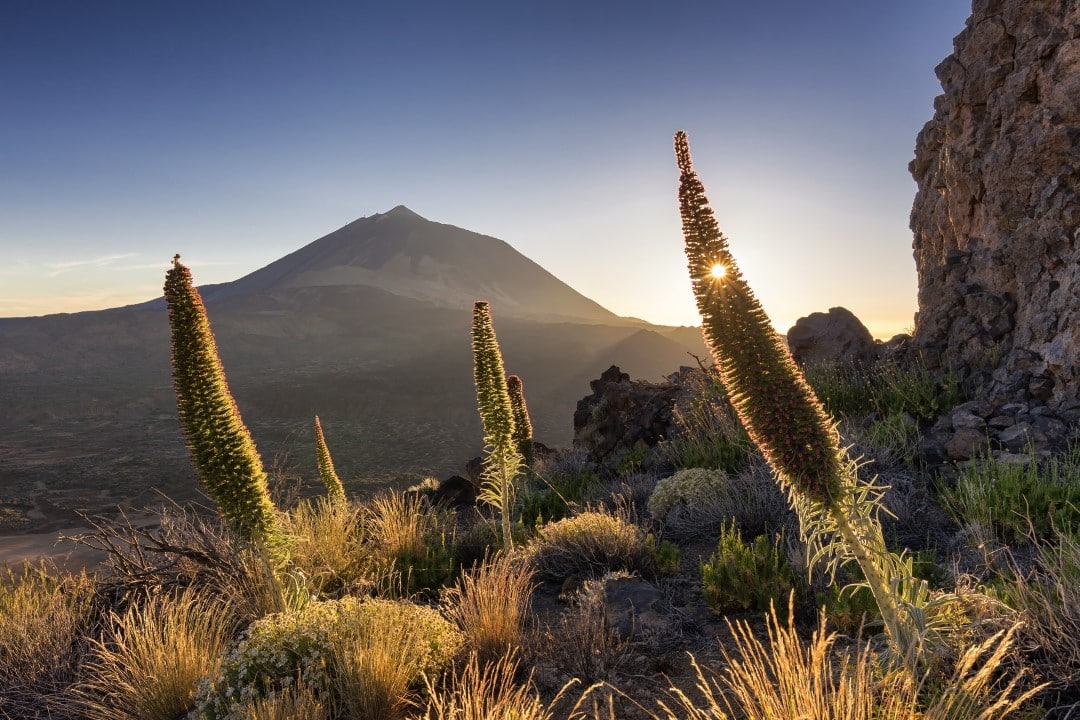
Tajiquistão advances the expansion of saxaul plantations in several regions of the country as a measure to combat soil degradation and the effects of climate change. As ações concentram-se em distritos como Shahrituz, na província de Khatlon, e Asht, na província de Sughd, onde já ocorreram plantios significativos. Especialistas highlight that this resistant plant helps to stabilize sandy soils and reduce dust storms.
Local authorities and forestry institutions coordinate the project, which is part of national environmental restoration programs. Saxaul, adapted to extreme conditions, appears as an effective alternative for areas affected by erosion and desertification. Current initiatives foresee gradual expansion until 2027.
The Tajik government prioritizes these plantations within broader climate adaptation strategies. Regiões vulnerable to dust originating in neighboring countries directly benefit from these actions.
Characteristics of the saxaul plant
The saxaul, a shrub or small tree typical of deserts from Ásia Central and Ocidental, resists prolonged droughts, high temperatures and saline soils. Seu deep and robust root system fixes mobile sand, preventing wind erosion and the formation of dunes. Essa capacity makes the species essential for preserving arid ecosystems.
Experts from Instituto from Pesquisa Florestal from Tajiquistão, led by Nourali Huseinov, emphasize that saxaul improves soil quality by retaining moisture and creating favorable conditions for the growth of other vegetation. The plant also reduces the spread of dust, contributing to public health in areas affected by sandstorms. Esses attributes explain their choice in environmental restoration projects.
Current planting areas
In the district of Shahrituz, in the province of Khatlon, saxaul already covers more than 250 hectares. Essa area represents a consolidated effort to contain the spread of degraded soil in the southern region of the country. Técnicos locations monitor the development of seedlings to ensure a high survival rate.
In the district of Asht, in the province of Sughd, planting currently reaches 70 hectares. Local conditions, with exposed sandy soils, favor the species’ rapid adaptation. Equipes forestry staff perform regular maintenance on these plantations.
Future expansion plans
Tajik authorities plan to increase the area of saxaul in the district from Asht to more than 350 hectares by 2027. Esse increase represents significant scale compared to current figures. The schedule includes annual planting and monitoring stages.
The project is part of a national afforestation campaign that began in January 2026. Milhões of trees and shrubs should be planted across the country in the coming years. Saxaul receives priority in arid areas due to its proven efficiency.
Other regions of Tajiquistão may incorporate similar plantations in the next cycles. Instituições international organizations support part of the actions through climate resilience programs.
Detailed ecological benefits
Saxaul plays a central role in stabilizing sandy soils, reducing the risk of advanced desertification. Suas deep roots anchor the surface layer, preventing loss of fertility due to wind. Essa function protects nearby farmland.
The plant also contributes to moisture retention in the soil, creating favorable microclimates. Outras plant species gradually establish themselves in these recovered areas. The local ecosystem gains diversity and resilience.
- Fixing mobile sand against wind erosion.
- Reduction of dust storms and airborne salinity.
- Absorption of carbon dioxide, helping climate mitigation.
- Improving soil quality for future crops.
- Protection of pastures against excessive degradation.
Context of environmental degradation in the country
Soil degradation affects a large part of the Tajik territory, with intense erosion in mountainous areas and arid plains. Tempestades of dust become more frequent, many originating in dry areas of Uzbequistão, Turcomenistão and Afeganistão. Esses events impact air quality and the health of the population.
It is estimated that millions of global hectares lose fertility annually through similar processes. No Tajiquistão, the combination of human and climate factors accelerates the loss of productive land. Projetos and saxaul seek to reverse this trend on a local scale.
National restoration programs
Tajiquistão maintains a forestry development program for the period 2022-2026, with goals of creating and restoring thousands of hectares. The saxaul integrates these actions as a priority species in desert environments. Campanhas annually mobilize communities and state agencies.
Resilient landscape initiatives receive support from international organizations. The focus is on the recovery of river basins and areas degraded by excessive grazing. Resultados initials indicate progress in vegetation coverage in selected regions.
Other adapted crops, such as pistachios and walnuts, complement saxaul in varying areas. Diversification reinforces the country’s ability to adapt to projected climate changes.
Regional importance of the initiative
Countries in Ásia Central face similar desertification challenges, especially in the vicinity of the former Mar of Aral. Experiências with saxaul in neighboring nations serve as a reference for Tajiquistão. The exchange of practices strengthens joint efforts.
The expansion of Tajik plantations contributes to transboundary dust reduction. Ecossistemas shares benefit indirectly from these actions. The model could inspire similar projects in arid areas of the region.



