
Impressive endurance test of the Xiaomi SU7 Max reaches 4264 km covered in just 24 hours

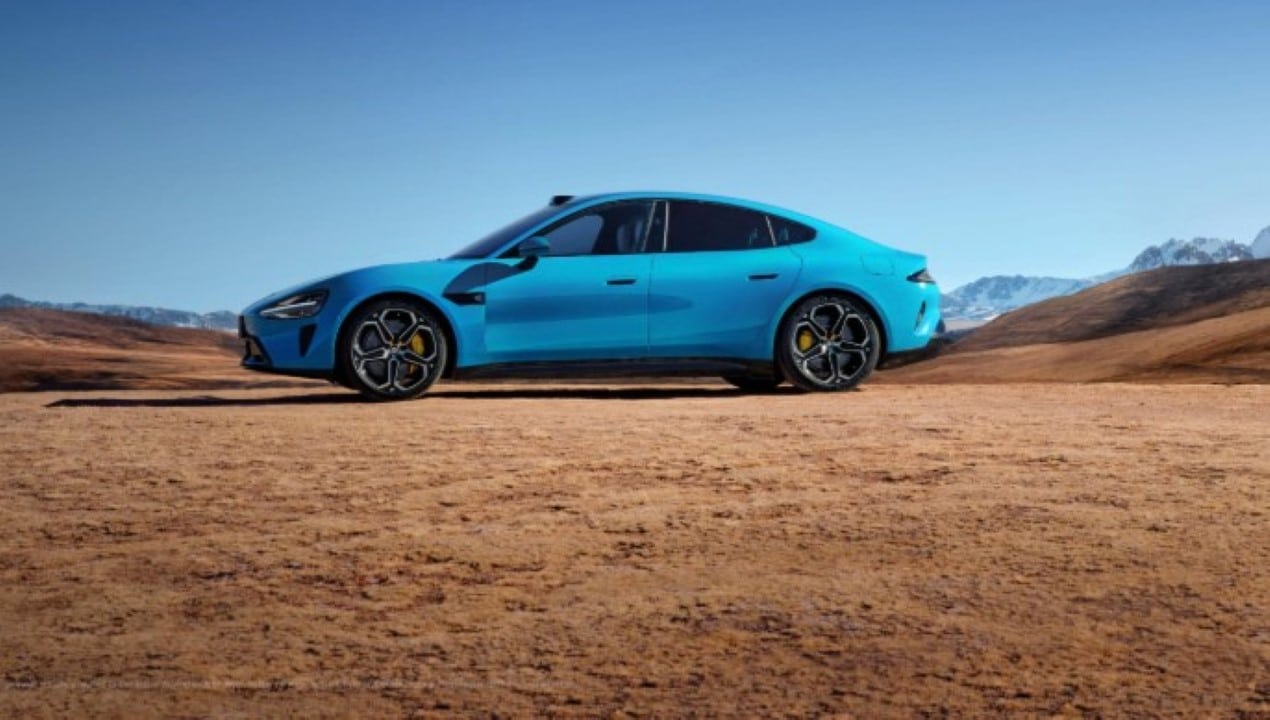
Xiaomi’s electric vehicle division has set a new milestone in the automotive sector by announcing that its SU7 Max sedan has completed a rigorous endurance test. Durante 24 hours of continuous operation, the model covered a distance of 4,264 kilometers, a feat that positions it as the new record holder among mass-produced electric vehicles subjected to similar evaluations.
The test was held on a 7.8-kilometer oval track in Yancheng, in the Chinese province of Jiangsu, a location designed for high-performance testing. The vehicle maintained an impressive average speed of 177 km/h throughout the entire period, considering the brief stops for recharging, demonstrating not only the range, but also the durability and efficiency of its mechanical and electrical package under extreme conditions.
This significant result reinforces the SU7 The brand used the latest version of the model, which incorporates several improvements compared to the previous generation, to validate advances in engineering and energy management.
Long-term test details
The endurance test was meticulously conducted on a closed circuit, which allowed it to simulate prolonged and intense use without the variables of open traffic. Para keeping the vehicle in constant movement, a team of drivers took turns, exploring the car’s potential and reaching speeds of up to 240 km/h on specific sections of the track. The choice of an oval circuit was strategic, as it facilitates the maintenance of high speeds and minimizes the need for sudden braking, focusing the evaluation on energy efficiency and component resistance.
Recharging stops were a critical component of the operation, being carried out at strictly necessary intervals to ensure that the pace of the race was not compromised. The efficiency of the SU7 The vehicle’s advanced thermal management has also been put to the test, keeping the battery and motors at optimal operating temperatures even under continuous stress.
Outperforming direct competition
The performance of the Xiaomi SU7 Max not only set a new record, but also handily surpassed the marks of other renowned manufacturers. Anteriormente, the record among production models belonged to the XPeng P7, which had covered 3,961 kilometers in a similar test. Outros prominent vehicles, such as the electric Mercedes CLA, with 3,717 km, and the Porsche Taycan, with 3,425 km, were also left behind, highlighting the technological advancement achieved by the Xiaomi. The difference of more than 300 kilometers to second place highlights a significant leap in capacity and efficiency.
This achievement aggressively positions the Xiaomi in the premium electric sedan segment, putting it in direct competition with established giants. A estratégia da empresa de validar sua tecnologia através de provas práticas e transparentes envia uma mensagem clara ao mercado sobre suas ambições e sua capacidade de inovação. By outperforming direct competitors in such a demanding endurance test, the brand demonstrates that its vehicles are not only competitive in terms of technical specifications, but also in terms of durability and performance in the real world.
The electrical architecture behind the performance
One of the secrets behind the SU7 Max’s exceptional performance lies in its advanced technical platform. The vehicle is built on an 897-volt high-voltage electrical architecture, a configuration that dramatically optimizes power transfer and reduces thermal losses during operation. Essa platform incorporates state-of-the-art components such as silicon carbide (SiC) inverters, which are more efficient than traditional silicon inverters, especially under high power. Essa technology allows more battery power to be effectively converted into motion, directly contributing to extended driving range and superior performance. The electric motor, called HyperEngine V6s
Battery technology and thermal management
The heart of the SU7 The Essa battery not only stands out for its capacity, but also for its energy density, which allows it to store a large amount of energy in a relatively compact and light package, optimizing the vehicle’s total weight.
Complementing the battery, the thermal management system, shared with the Ultra version of the range, played a vital role during the 24-hour test. Ele is responsible for keeping the battery and other electrical components within an ideal temperature range, preventing overheating during high-speed driving and during ultra-fast recharge cycles. Manter thermal stability is essential to preserving battery life and ensuring consistent power delivery.
Ultra-fast recharging as a decisive factor
The ability to quickly recharge the battery was one of the pillars for success in the endurance test. O SU7 Max suporta uma taxa de carga máxima de 5,2 C, uma das mais altas disponíveis no mercado de veículos elétricos de produção. Essa rating, known as C-rate, indicates the speed at which a battery can be charged relative to its full capacity; a higher value means a shorter recharge time.
In practice, this technology allows the sedan to recover hundreds of kilometers of autonomy in a matter of minutes. At compatible charging stations, the model can go from 10% to 80% of its charge in approximately 19 minutes, an extremely competitive time. Essa agility when stopping was crucial to not compromise the average speed of the race.
The synergy between the high-voltage platform and advanced battery chemistry is what enables these recharge speeds. The infrastructure used on the track was optimized to provide the necessary power, ensuring that the vehicle could take advantage of its full charging potential, a factor that proved decisive in breaking the record.
Performance and security specifications
The SU7 Max is a vehicle that combines the practicality of a sedan with the performance of a super sports car. With its all-wheel drive configuration, the model accelerates from 0 to 100 km/h in less than 3 seconds, and its declared maximum speed is 265 km/h, a value that was explored at various times during the endurance test. The chassis, built with lightweight and highly rigid materials, was designed to withstand the forces generated by intensive use, while the suspension and braking systems were designed to maintain performance and safety even after long sessions on the track. The endurance test validated not only the speed but also the robustness of all these components under continuous stress.
Position in the premium electric market
Xiaomi’s entry into the automotive sector is recent, but the company has demonstrated a remarkable ability to accelerate its development and position itself as a force to be reckoned with. With the SU7
The endurance record is more than a number; it is a statement of intent and a powerful marketing tool. Ele reinforces Xiaomi’s strategy of proving its technical superiority through practical and verifiable achievements, building an image of trust and innovation. With plans to expand into international markets, results like this are key to establishing the brand’s reputation on a global scale and attracting consumers looking for the ultimate in technology and performance.



