
Innovative project combines PS5, Xbox Series X and Nintendo Switch 2 into a single functional system

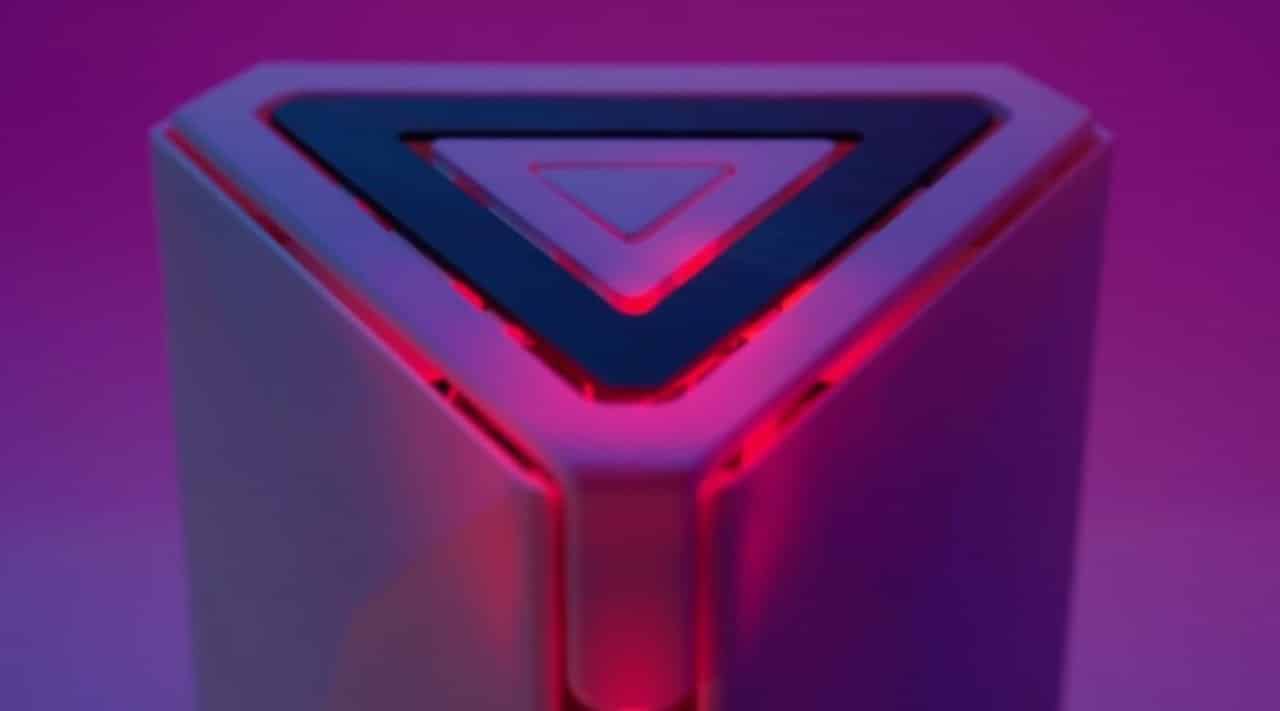
A Chinese enthusiast known as XNZ presented a project that integrates three current generation consoles into a single device. The system, called the Ningtendo PXBOX 5, combines the PlayStation 5, Xbox Series X and Nintendo Switch 2 motherboards into a compact chassis inspired by the design of 2013’s Mac Pro.
The main objective was to allow access to games exclusive to each platform without the need to switch between multiple devices. The end result uses a single power supply and a shared cooling system, with quick switching between consoles.
Tests have shown that the device maintains controlled temperatures during intense gaming sessions. The construction only requires one console to be active at a time, avoiding overload on the power supply.
Inspiration and initial design
The project began with identifying a practical solution to the accumulation of consoles in the games room. XNZ opted for the triangular shape of the old Mac Pro for its efficiency in accommodating components in a compact and symmetrical way.
Each motherboard was positioned on one of the faces of the internal triangle. Essa arrangement allowed the use of a single central fan to direct airflow in a balanced manner to the three systems.
- Complete disassembly of original consoles down to essential components;
- Removal of individual coolers and sources for integration into unified solutions;
- Maintaining motherboards intact to preserve full compatibility.
The approach avoided profound modifications to the main circuits. The focus remained on mechanical and thermal engineering to ensure stable operation.
Lost wax casting technique
Creating the heatsink represented the biggest technical challenge of the project. Initial 3D-printed Modelos served as a foundation, but CNC machining costs for complex metal parts became prohibitive.
XNZ turned to lost wax casting, a traditional Chinese method that allows for intricate shapes at low cost. The process begins with the creation of a mold made of sacrificial material, covered with heat-resistant ceramic.
When heating the assembly, the internal material melts and leaves a precise cavity. Molten Metal is then injected to form the final part with high fidelity to the original details.
After solidification, manual polishing and removal of residual supports were carried out. Additional copper Placas have been attached to the main block to improve thermal distribution to the PS5 and Xbox Series motherboards.
Integration of Nintendo Switch 2
The side dedicated to Nintendo Switch 2 received different treatment due to the console’s hybrid characteristics. The modder considered that the system requires less intensive cooling compared to competitors.
The motherboard was housed in a custom 3D printed case that was thinner than the original. A spring mechanism ensures secure connection via the bottom USB-C port, simulating fitting into a standard dock.
This solution keeps portable functionality intact when removed from the main chassis. The integration allows full use of the Switch 2 features, including original Joy-Con controls.
Power and control system
Measurements indicated consumption of less than 5W in rest mode for individual PS5 and Xbox Series X. Sob maximum load, each reaches around 225W, justifying the use of a 250W GaN source for the entire set.
The unit supports simultaneous operation on standby only for idle ones. A 120 mm fan directed draws air in from the base and expels it from the top, similar to the architecture of the Xbox Series X.
An Arduino microcontroller manages switching between consoles via the top button. Faixa of colored LEDs indicates the active system, with transition completed in approximately three seconds.
The design excludes disk readers to reduce volume and complexity. Isso restricts use to digital games, although compatible with existing libraries in user accounts.
Final details and finishing
Wooden finishes were applied to the external sides to improve aesthetics. A custom label identifies the device as Ningtendo PXBOX 5.
Real-world testing demonstrated fluid switching between titles like Ghost of
The project highlights the combination of modern 3D printing techniques with ancient artisanal methods. The complete construction required several iterations, including initial unsuccessful attempts at the casting process.
Limitations and practical considerations
The main restriction remains the impossibility of running multiple consoles simultaneously under heavy load. Tentativas in this sense cause automatic shutdown of the source for protection.
Lack of optical drives eliminates support for physical media. Usuários rely exclusively on digital downloads or already installed libraries.
Legal issues involving modification of proprietary hardware may arise. Fabricantes generally do not endorse projects that alter original devices so extensively.
Repercussions in the modification community
The demonstration video attracted international attention among hardware enthusiasts. Comunidades specialized companies highlight the ingenuity in the shared thermal solution.
Previous similar projects have focused on cross-platform combinations or emulation. Esta construction represents progress by including three systems with different architectures in native operation.
The approach inspires other modders to explore traditional techniques in modern projects. The balance between cost, complexity and functionality serves as a reference for future constructions.



