
PRF declares Nikolas Ferreira-led march on BR-040 from Minas Gerais to Brasília presents safety hazards

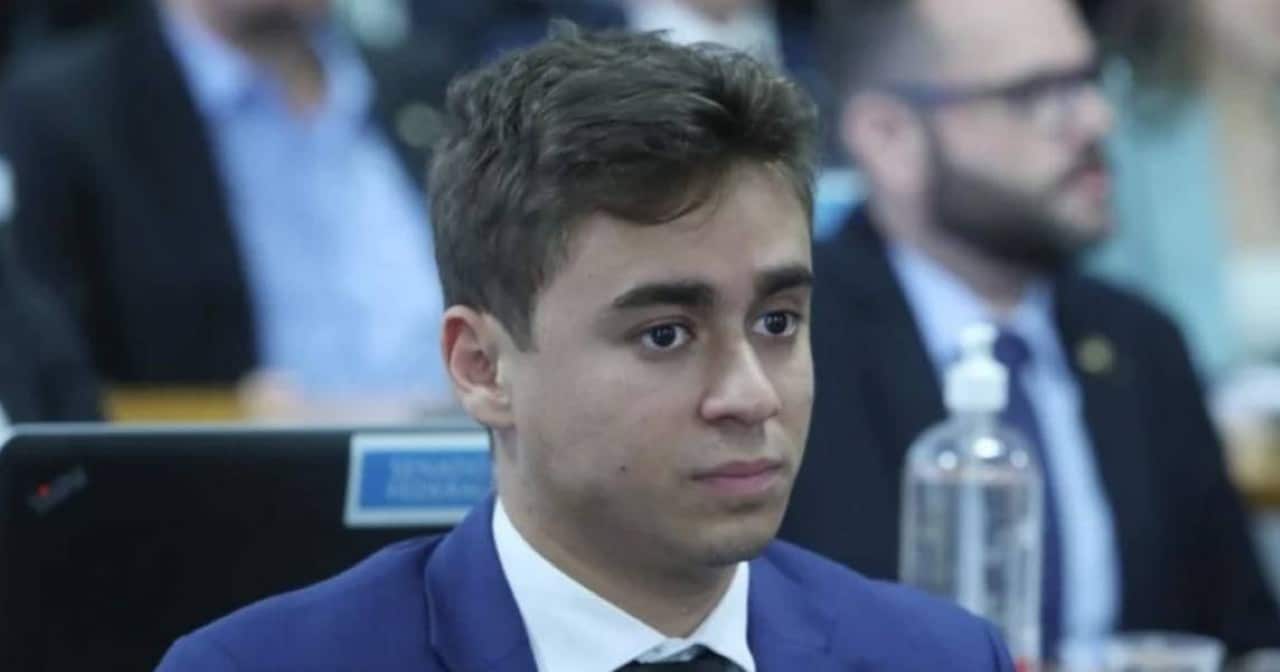
The Federal Highway Police (PRF) has issued a significant warning regarding the “Walk for Freedom” (Caminhada pela Liberdade), led by Congressman Nikolas Ferreira, from Minas Gerais to Brasília. This unscheduled march, currently underway on the BR-040 highway, poses substantial operational and highway safety risks for both participants and other road users. The PRF highlighted that the lack of prior notification from the organizers severely impedes the agency’s ability to implement necessary safety protocols and traffic management strategies. Such an event, involving a large number of pedestrians on a major federal highway, inherently increases the potential for accidents, congestion, and other dangerous situations, underscoring the critical importance of coordinated planning with authorities. The move has drawn attention to the complex challenges of balancing freedom of assembly with public safety on national roadways.
The risks identified by the PRF stem from several factors inherent to unsanctioned mass movements on highways. These include:
– Lack of proper lane demarcation for pedestrians.
– Insufficient warning signs for motorists.
– Absence of designated support vehicles for marchers.
– Potential for driver distraction and reduced visibility, especially at night.
Without advance notice, authorities are unable to deploy additional personnel, reroute traffic, or establish protective barriers, leaving the marchers and the general public vulnerable. This failure to communicate compromises the safety environment for everyone utilizing the BR-040 during the protest.
Highway safety concerns for participants and drivers
The principal concern for the Federal Highway Police centers on the inherent dangers of pedestrians occupying lanes designated for high-speed vehicular traffic. Federal highways like the BR-040 are designed for rapid transit, and the presence of unprotected individuals significantly elevates the risk of serious accidents. Drivers may not anticipate a large group of walkers, especially in areas with poor visibility or at night, leading to potentially catastrophic outcomes.
Beyond direct collisions, the march introduces numerous operational risks, including sudden braking maneuvers by vehicles, increased traffic congestion, and potential disruptions to emergency services. The unexpected presence of hundreds of people can create bottlenecks, impeding the flow of essential goods and services, and raising the overall stress levels for all commuters on the affected route.
Lack of official notification hinders safety planning
The primary challenge for law enforcement and emergency responders stems from the organizers’ decision not to inform traffic authorities about the “Walk for Freedom.” This critical oversight prevented any proactive planning, which is essential for managing large-scale public events on infrastructure like federal highways. Typically, such notifications allow for comprehensive risk assessments and the implementation of traffic management plans.
These plans would normally include establishing clear safety corridors, deploying additional highway patrol units, and coordinating with local municipalities for support and alternative routes. Without this crucial communication, the PRF and other agencies are forced into a reactive stance, trying to manage an evolving situation rather than proactively mitigating potential dangers.
This absence of official communication not only endangers the marchers and other road users but also places an undue burden on public safety resources. Agencies must divert personnel and equipment from their regular duties to monitor and manage an unannounced event, which could impact their capacity to respond to other emergencies across the region.
PRF monitoring despite unofficial status
Despite the lack of official notification from the organizers, the Federal Highway Police has confirmed it is actively monitoring the movement of Congressman Ferreira, other parliamentarians, and the general public participating in the march. This monitoring operation is a standard procedure for large gatherings or events that could impact federal roadways, irrespective of their official status. The goal is to ensure public order and minimize potential hazards, even when formal coordination is absent.
The PRF’s surveillance includes deploying patrol units along the BR-040 to observe the procession, assess traffic conditions, and intervene in situations that pose immediate threats to safety. This ongoing observation allows the police to adapt their response in real-time to unforeseen developments, aiming to maintain a degree of control over a potentially volatile situation. Their presence serves as a deterrent to unlawful acts and a resource for immediate assistance should an incident occur.
Route and duration of the “Walk for Freedom”
The “Walk for Freedom” commenced on Monday, February 18, in Paracatu, Minas Gerais, with an ambitious goal of reaching Brasília by the following Sunday, February 25. This journey spans approximately 240 kilometers (about 150 miles), a significant distance for a continuous pedestrian march along a major highway. The route primarily follows the BR-040, a critical artery connecting the federal capital to major cities in Minas Gerais.
Participants are covering vast stretches of highway daily, facing varying terrain, weather conditions, and traffic volumes. The extended duration and distance of the march add layers of complexity to the safety concerns, as fatigue among walkers and the constant exposure to vehicular traffic increase the probability of incidents over time. The movement’s progress requires sustained monitoring from authorities across different jurisdictions.
Political motivations and participant numbers
The “Walk for Freedom” has gathered over 100 individuals, uniting in protest against the arrests of those involved in the January 8, 2023, acts in Brasília, and the arrest of former President Jair Bolsonaro. Congressman Nikolas Ferreira announced the initiative via an open letter shared on social media, signaling a call for support among his followers and political allies. The protest serves as a public demonstration of discontent with current judicial proceedings and political outcomes, aiming to draw national attention to their grievances.
The march represents a highly visible form of political expression, utilizing public infrastructure to amplify its message. The participants’ determination to cover a substantial distance on foot highlights the symbolic weight of their protest, framing it as an act of personal sacrifice for perceived political freedom. This mobilization strategy seeks to garner media coverage and public sympathy, exerting pressure on political and judicial institutions.
Key figures joining the demonstration
The demonstration has attracted the participation of several prominent political figures, adding to its visibility and political weight. On Tuesday, February 20, other parliamentarians and political personalities were observed alongside Nikolas Ferreira. These included Congressmen Gustavo Gayer (PL-GO) and André Fernandes (PL-CE), along with former councilman Carlos Bolsonaro (PL), son of the former president. Their presence indicates a coordinated effort to amplify the protest’s message and demonstrate solidarity among conservative political factions.
The involvement of these figures underscores the political nature of the march, transforming it from a grassroots movement into a more organized and politically endorsed event. Their appearance in photographs and videos shared online helps to promote the event, potentially attracting more participants and media attention as the march progresses toward Brasília. The collective presence of these individuals reinforces the protest’s objectives and leadership.
Official communication and ongoing situation
CNN Brazil has attempted to reach out to Congressman Nikolas Ferreira’s press office for an official statement regarding the Federal Highway Police’s safety warnings and the conduct of the march. As of the latest updates, the news outlet awaits a response from the deputy’s team. This lack of immediate official comment from the organizers highlights the ongoing communication gap between the protest leaders and both media and authorities regarding the logistics and safety protocols for the event. The situation remains under active observation by federal highway authorities as the march continues its trajectory.


