30-second Super Bowl ads reach record values and exceed 10 million dollars
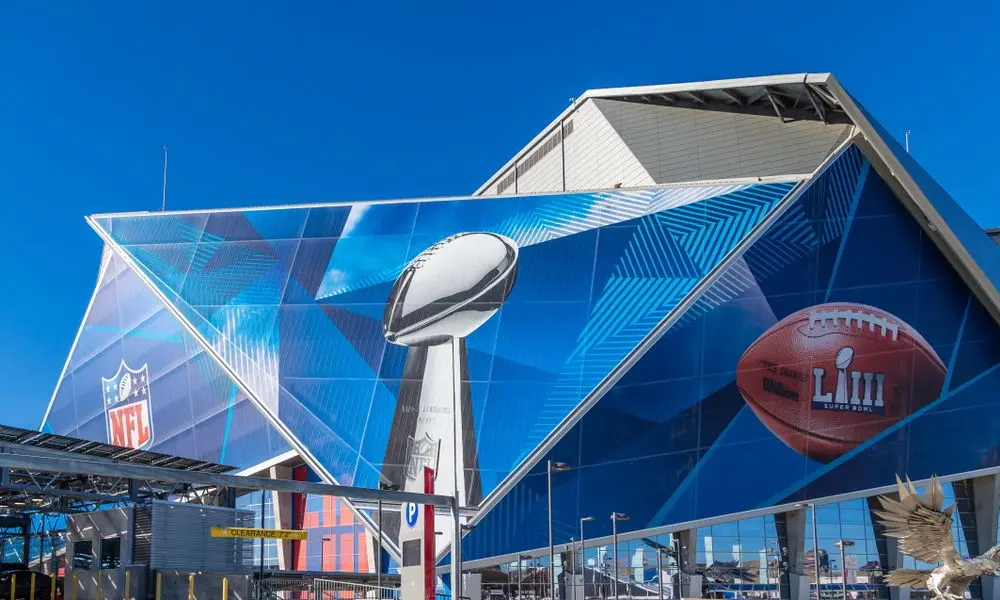
Super Bowl reaffirmed its position as the most profitable event on global television by recording unprecedented amounts for its advertising quotas in the most recent season. Empresas who sought to show just thirty seconds of content during the break of the match had to shell out sums that exceeded the 10 million dollar mark. Este amount, which is equivalent to more than 53 million reais at the current price, reflects the continuous appreciation of the tournament as the main showcase for global marketing.
The commercialization of advertising spaces occurred quickly, with the total inventory running out months before the scheduled date for the confrontation. The broadcaster that holds the broadcasting rights confirmed that demand exceeded all initial expectations, forcing a progressive adjustment in prices throughout the last semester. The movement proves that large corporations maintain a priority interest in reaching the massive audience that the American football league generates annually.
The rapid depletion of spaces demonstrates the commercial strength of the sport despite the high production costs and logistical complexity involved. The exclusivity of appearing on one of the few television events that still brings together a live audience of this magnitude is the main attraction for brands to agree to pay the record amounts stipulated by the broadcaster, guaranteeing visibility that few other platforms can offer.
will be waiting for you…#SBLX https://t.co/KURm4efjxB
—Super Bowl (@SuperBowl)January 9, 2026
The strategy behind millionaire values
The television network responsible for broadcasting adopted an aggressive commercial policy to maximize profits from the league final. Inicialmente, rates were established at already high levels, but unprecedented demand allowed the broadcaster to apply new successive increases. Além of the fixed quotas for the day of the game, many advertisers opted for combined packages that include other prominent sporting events on the annual calendar, diversifying investment and guaranteeing presence at different moments of high audience. Essa’s strategic approach has not only inflated the value of space on Super Bowl, but also strengthened the broadcaster’s position as an essential partner for major brands.
This scenario of extreme appreciation is the result of constant monitoring of the advertising market and American football’s audience delivery capacity. Especialistas from the sector point out that the exclusivity and global reach of the event justify the strong investment on the part of technology, beverage and automotive companies, which traditionally dominate the intervals. The sales success guarantees that the revenue from this edition will be the highest ever recorded in the history of sports communication in the Estados Unidos, consolidating the event not only as a sporting spectacle, but as a fundamental pillar of the advertising and entertainment industry.
Historical evolution of advertising costs
The exponential growth in prices charged for thirty seconds of viewing shows how the event has become an economic phenomenon in recent decades. Há thirty years ago, the cost of advertising during the grand final break was around 1.15 million dollars, a fraction of what is currently practiced.
This financial escalation accompanies the increase in public engagement and the sophistication of advertising productions, which are developed especially for the date, often months in advance and with cinematic budgets.
The sporting stage that attracts brands
The scenario of the most recent major decision, based in Las Vegas, placed teams with great popular appeal on the field, such as the Kansas City Chiefs and the San Francisco 49ers, which naturally increases the interest of the public and, consequently, of brands.
The journey to the final is built over weeks, with the conference’s decisive games, the Americana (AFC) and the Nacional (NFC), functioning as massive audience events in their own right.
Leia Também



These preliminary matches serve as a barometer for public interest and help build the narrative that will culminate in Super Bowl, making the main event even more attractive.
Favoritism in betting shops, athletes’ stories and rivalry between cities are elements that fuel engagement and ensure that millions of viewers are tuned in, justifying advertising investment.
The economic impact for the host city
Choosing a city like Las Vegas to host the grand final represents a gigantic and multifaceted economic impact. The city receives an intense flow of tourists, media professionals and executives, which has a positive effect on the entire chain of local services, from the hotel chain and restaurants to transport and retail trade. Preparation for the event begins more than a year in advance and involves complex logistical planning to ensure not only the stadium’s infrastructure, but also security and urban mobility. Estima-se que a movimentação financeira direta e indireta gerada pelo evento compense com folga os custos operacionais assumidos pela cidade, deixando um legado de visibilidade e investimentos que perduram após o fim da partida.
Halftime commercials as a cultural phenomenon
The commercials shown during Super Bowl have transcended their original function and have become an integral part of the entertainment expected by the public.
Many people tune into the broadcast exclusively to watch the creative plays, which often feature celebrity appearances and are directed by renowned filmmakers.
This added cultural value allows brands to create deep emotional connections with consumers, something difficult to replicate in other television programming.
Global reach and the power of digital media
Media analysts forecast that the number of viewers worldwide will continue to surpass the 120 million mark. With the globalization of sport and ease of access via streaming platforms, the event’s reach is no longer strictly North American.
In addition to traditional broadcasting, interaction on social networks plays a fundamental role in enhancing the advertising product. Cada second of exposure on the main screen is replicated millions of times on mobile devices, creating a cycle of visibility that spans days.
Preparations for a highly complex show
Organizing the event in a city like Las Vegas represents a joint effort between local authorities, security forces and the league itself. The Allegiant Stadium, the stage for the final, undergoes rigorous inspections to adapt the space to the technology demands of communication companies and advertisers, with the telecommunications infrastructure being reinforced to support the extremely high volume of data generated during the event.