

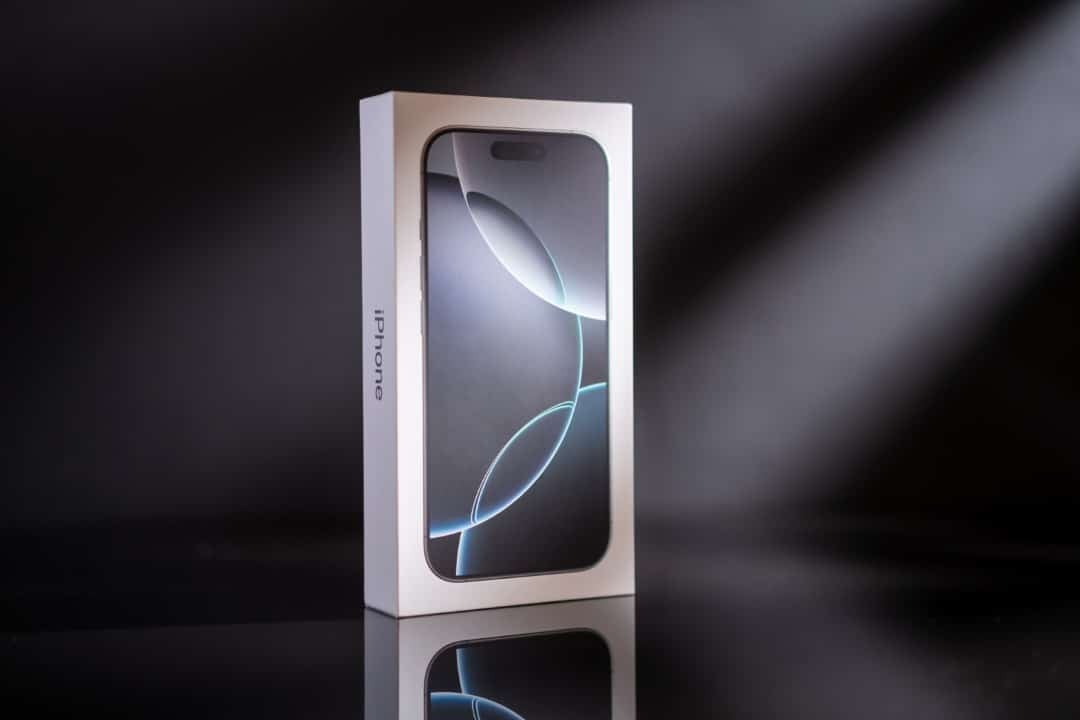
New information about the future line of smartphones from Apple indicates a significant visual change for the most advanced models. A recent leak, attributed to tipster Digital Chat Station, suggests that the long-awaited iPhone 18 Pro and iPhone 18
This change would represent an important step by Apple towards a completely seamless screen design. The technology would allow the Face ID system components to be hidden beneath the OLED panel, freeing up space at the top of the display and offering a more immersive viewing experience. This innovation is expected to be exclusive to the Pro models, creating a clear visual distinction in relation to the standard versions.
While the Pro models advance with new technology, the iPhone 18 and the second generation iPhone Air must maintain the design with the Dynamic Island. The information also points to the maintenance of screen sizes and ProMotion technology with a refresh rate of 120 Hz in all four models in the line, ensuring fluidity and energy efficiency as a consolidated standard.
The new frontier of under-display technology
The implementation of sensors under the display, known as “under-display” technology, is one of the biggest technical challenges in the smartphone industry. Para to work perfectly, the OLED panel in the sensor area needs to become transparent enough to allow the passage of light and the precise operation of components such as those of the Face ID, without compromising the quality of the displayed image. Empresas competitors are already exploring similar solutions, mainly for front cameras, but application to a complex facial recognition system like the Apple requires an even higher level of accuracy and reliability. The adoption of this technology in the iPhone 18
Specifications and screen sizes of the iPhone 18 line
According to leaked details, the Apple will maintain consistency in screen sizes compared to the previous generation. The structure of the line would be made up of four distinct devices, each with well-defined display specifications to serve different consumer segments.
The standard iPhone 18 would arrive with a 6.3-inch screen, equipped with an LTPO panel that allows for a variable refresh rate of up to 120Hz. The Este model would continue to use the Dynamic Island cutout, maintaining the visual identity already known by users.
The second generation of the iPhone Air, in turn, would feature a larger 6.5-inch display, also with LTPO technology of 120 The Este device would position itself as an option for those looking for a large screen without necessarily investing in the Pro Max model.
The big innovation would be concentrated on the iPhone 18 Pro, which would have a 6.3-inch screen and 120 Hz, but with the Face ID sensor area under the display. The top of the line, the iPhone 18 Pro Max, would offer the largest screen of the set, at 6.9 inches, and would also feature new under-display technology and a refresh rate of 120
Apple segmentation strategy
The decision to differentiate the Pro models through exclusive screen technology is not new to the Apple strategy. Historicamente, the company uses hardware and design resources to segment its products and justify the price difference between standard and more advanced versions. In the past, features such as ProMotion technology, the triple camera system and the use of materials such as titanium were first introduced in the Pro models, reinforcing their “top of the line” status and encouraging consumers looking for maximum innovation to opt for these devices.
By reserving under-display technology for the iPhone 18 Pro and Pro Max, the Apple creates immediate visual appeal. The cleaner design with greater screen usage would become a status symbol and a clear indicator that the user has the latest and most advanced model. Essa approach not only drives sales of the most expensive devices, but also manages market expectations, allowing the technology to mature before potentially being implemented in higher volume models in subsequent years, ensuring tighter quality control in the initial cycle.
The future of Dynamic Island
The introduction of an alternative to Dynamic Island in the Pro models raises questions about the future of this feature. Lançado As an innovative solution that integrated hardware clipping with software functionalities, Dynamic Island was well received for its usefulness in displaying alerts and background activities.
With its possible removal on more expensive devices, the feature could follow a path of democratization, becoming a standard feature on entry-level and mid-range models from Apple in the coming years. Essa gradual transition would solidify its presence in the ecosystem before being completely replaced by more advanced technologies across the board.
Differentiated release calendar
The arrival schedule of new devices must also follow a particular strategy. Information suggests that the iPhone 18 Pro and iPhone 18 Pro Max models will be the first to be launched, with a presentation expected at the traditional Apple event in September 2026.
In a less common move, the standard iPhone 18 and the second-generation iPhone Air would have their launch postponed to spring 2027.
This allows Apple to focus its production and marketing efforts initially on higher-margin models, as well as helping to manage the complex supply chain. Adicionalmente, a second launch event the following year keeps the brand in the spotlight and can stimulate a new purchasing cycle.
What to expect beyond the screen
Although the main new feature highlighted by the leak is the screen technology, other hardware improvements are expected for the iPhone 18 line. The natural evolution of the Apple’s processor architecture suggests the introduction of the A20 chip, which promises to offer gains in performance and energy efficiency.
Improvements to the rear camera system are also a safe bet, with possible advances in sensors, image processing and optical zoom capabilities, especially on the Pro models. The integration of more artificial intelligence resources directly into the hardware is another trend that should be consolidated.
Impact on the smartphone market
A move by Apple toward a truly “all-screen” display has the potential to accelerate the adoption of similar technologies across the industry. The competition, which already invests in under-display camera solutions, will be pressured to improve its own implementations to remain competitive in the high-end segment.



