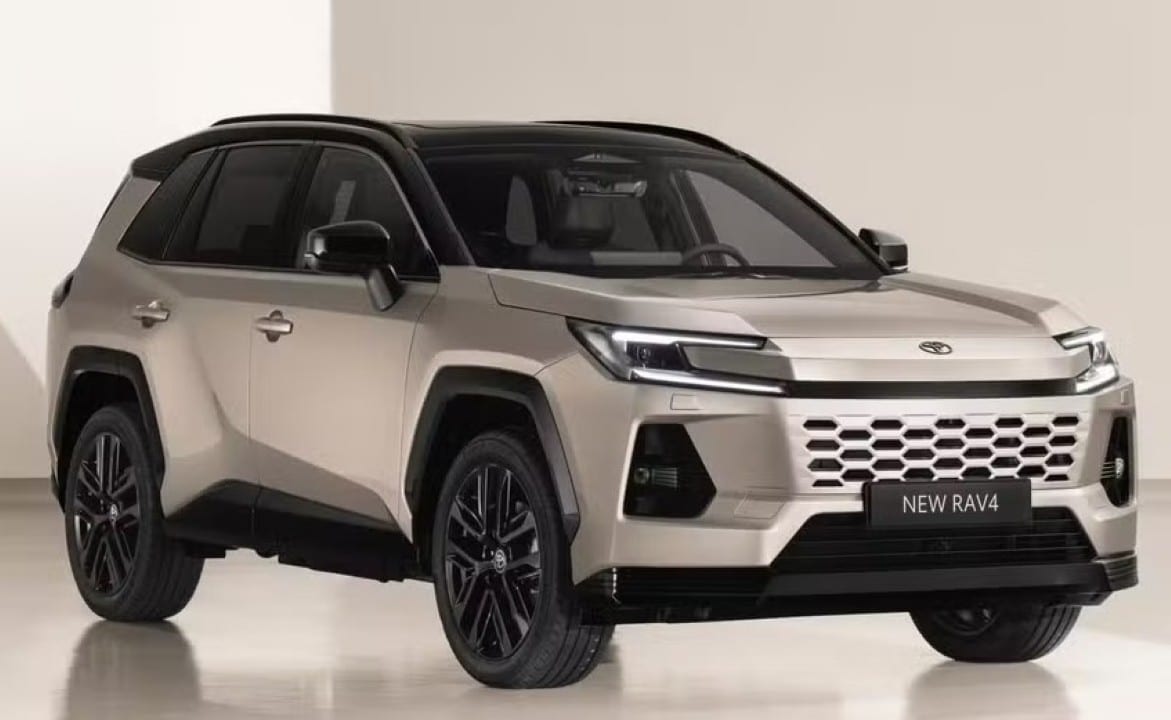
Japanese automaker Toyota presented the first detailed specifications of the new generation of the RAV4, which hits the global market with the mission of redefining the concept of connected vehicles. The sports utility vehicle, scheduled to officially debut between the end of 2025 and the beginning of 2026, stands out for being the brand’s first model to adopt the Arene software platform. Esta technology works as a centralized operating system, similar to what occurs in computers and smartphones, allowing the car to receive constant improvements without the need for physical component changes.
The development of this new digital ecosystem was planned to drastically reduce the response time between the creation of new functionalities and their practical implementation in street vehicles. Especialistas from the automotive sector point out that this change places Toyota in a prominent position in the race for software-defined vehicles (SDV), a niche that attracts consumers interested in technological longevity. Além of the digital leap, the model presents a profound aesthetic renewal, with changes ranging from the front grille to the complete redesign of critical internal elements.
- Pioneering adoption of the Arene operating system for full control of vehicle functions.
- Over-the-Air (OTA) upgradeability for security and assistance systems.
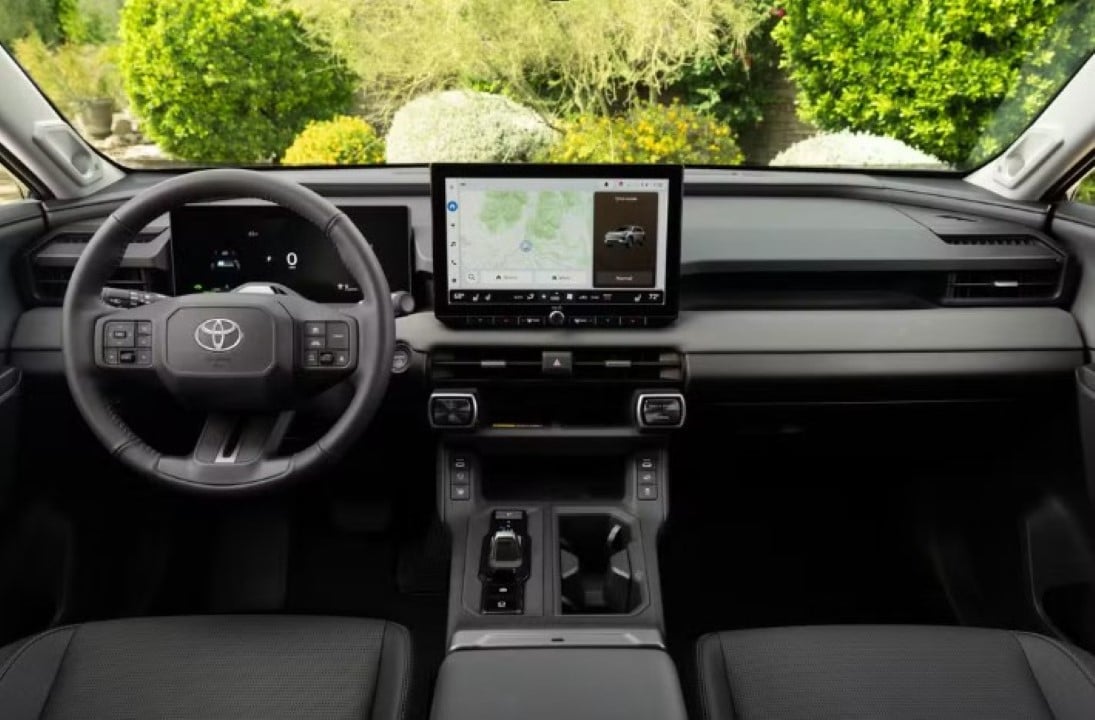
- Complete redesign of the cabin, including the replacement of the traditional gear lever.
- Focus on permanent connectivity to increase resale value through software.
Technological innovation through the Arene platform
The introduction of the Arene system represents a historic engineering milestone for the Toyota, enabling the vehicle’s hardware and software to operate independently and in an integrated manner. With this architecture, the owner of the new RAV4 will be able to purchase or download improvements to the voice recognition system and driving assistants in real time. Essa flexibility ensures that the car does not become obsolete quickly, following developments in artificial intelligence and cloud connectivity in an automated and secure manner.
The speed of developing new features is one of the manufacturer’s main promises for this launch, aiming to meet a growing demand for digital personalization. Através From a constant connection to the grid, the vehicle monitors its own performance and suggests parameter adjustments that can optimize energy consumption and engine efficiency. Essa strategy aims to transform the car into a smart device capable of learning from the user’s driving habits over time.
Dramatic changes to interior design and ergonomics
The interior of the new RAV4 underwent a complete redesign to accommodate new technologies, resulting in a cleaner, more modern environment focused on the digital experience. The most commented modification by enthusiasts and critics is the new design of the gear lever, which has been completely rethought to offer more intuitive operation and free up space on the center console. The instrument panel is now fully digital and integrated with the latest generation multimedia center, facilitating access to the functions of the Arene system.
The materials used in the interior finish have also been updated, prioritizing sustainable surfaces and soft touches that elevate the SUV’s perception of luxury. The Toyota sought to balance the characteristic robustness of the RAV4 line with technological sophistication that suits both urban use and long-distance travel. Passenger space and trunk volume have been optimized, taking advantage of the new arrangement of electronic components that are now more compact and strategically distributed.
Constantly evolving safety and driver assistance
One of the biggest benefits of the new software platform is the direct impact on the vehicle’s active safety, which can now be constantly improved by the manufacturer. Sensores and cameras that make up the driver assistance system will have their processing algorithms refined via remote updates, improving obstacle and pedestrian detection. Isso means that the vehicle delivered today will have superior autonomous braking and lane keeping capabilities months from now, based on data collected globally.
The accuracy of navigation systems has also been increased, integrating real-time traffic data with greater processing speed thanks to new onboard hardware. The Arene operating system facilitates integration with smart city infrastructures, preparing the RAV4 for future vehicle-to-everything (V2X) communications. Essas innovations seek to reduce the number of traffic incidents and provide a more relaxed and safer drive for all vehicle occupants.
Vehicle appreciation through permanent connectivity
Toyota’s strategy with the new RAV4 aims to change the traditional perception of automotive devaluation, betting that a car that stays up to date maintains its price better. By offering functions that can be added after purchase, the brand creates a new market of digital services that can be purchased according to the customer’s needs. A buyer of a pre-owned model will be able, for example, to activate assistance packages that were not present in the original configuration of the first owner.
This “car as a service” vision is in line with global industry trends, where the user experience is dictated by the interface and digital functionalities. The RAV4 becomes the ambassador of this new phase, serving as a testbed for how the market will react to vehicles that rely heavily on a solid network infrastructure. The success of this model will dictate the pace of implementation of the Arene system in other iconic vehicles of the brand, such as the Corolla and the Hilux, in the coming years.
Constant connectivity also allows for much more accurate preventative diagnostics, alerting the driver and dealership about maintenance needs before failures occur. Real-time monitoring of battery health in hybrid and electric versions ensures more efficient thermal management, extending the life of the vehicle’s most expensive components. Esse level of technical control was unthinkable in previous generations, highlighting the generational leap promoted by this update.
Market outlook for the world’s best-selling SUV
The RAV4 holds the title of one of the best-selling SUVs globally, and any change to its original formula generates great expectations in the financial and automotive sector. Toyota understands that the transition to software-defined vehicles is a one-way path to maintaining competitiveness against new technology-focused automakers. By updating its most popular model with the Arene, the company signals to the market that it is ready to lead the next era of digital mobility.
Analysts predict that reception of the new design and software features will be crucial to consolidating Toyota’s leadership in markets such as América, Norte, Europa and Ásia. The balance between the final price for the consumer and the value added by new connectivity technologies will be the automaker’s main challenge at the official launch. The expectation is that the model will continue to be the benchmark in the category, now not only in mechanical reliability, but also in digital vanguard.
Technical details and functionality of the vehicle software
The Arene platform not only manages entertainment, but controls the car’s dynamic systems, allowing fine adjustments to suspension and throttle response. Essa deep integration between software and mechanics allows the creation of different driving profiles that can be downloaded by the driver according to the terrain or personal preference. Toyota invested billions of dollars in developing this architecture to ensure that the experience is fluid and free from crashes or digital vulnerabilities.
- The operating system has advanced cybersecurity layers to protect users’ data.
- The user interface is designed to minimize distractions by using intelligent voice commands.
- Third-party developers will be able, in the future, to create applications specific to the Arene ecosystem of Toyota.
- The processing hardware has been oversized to support software upgrades for the next ten years.
The ease of use of the new system has been tested in several global scenarios to ensure that drivers of different profiles quickly adapt to the new roles. The removal of physical buttons in favor of on-screen or voice controls was done cautiously, maintaining the ergonomics necessary for quick operations while driving. The ultimate goal is for technology to be an invisible but powerful support that improves every aspect of the driver’s and passengers’ day-to-day journey.
With the launch of the new RAV4, the Toyota ends a cycle of purely mechanical vehicles and begins a trajectory where artificial intelligence and connectivity are the central pillars. Este model is not just a renewed SUV, but a statement of intent about the future of mobility, where software defines the identity and utility of the car. The market is now awaiting running tests to confirm whether the practical implementation of the Arene platform will reach the level of excellence promised in the manufacturer’s technical communications.
