

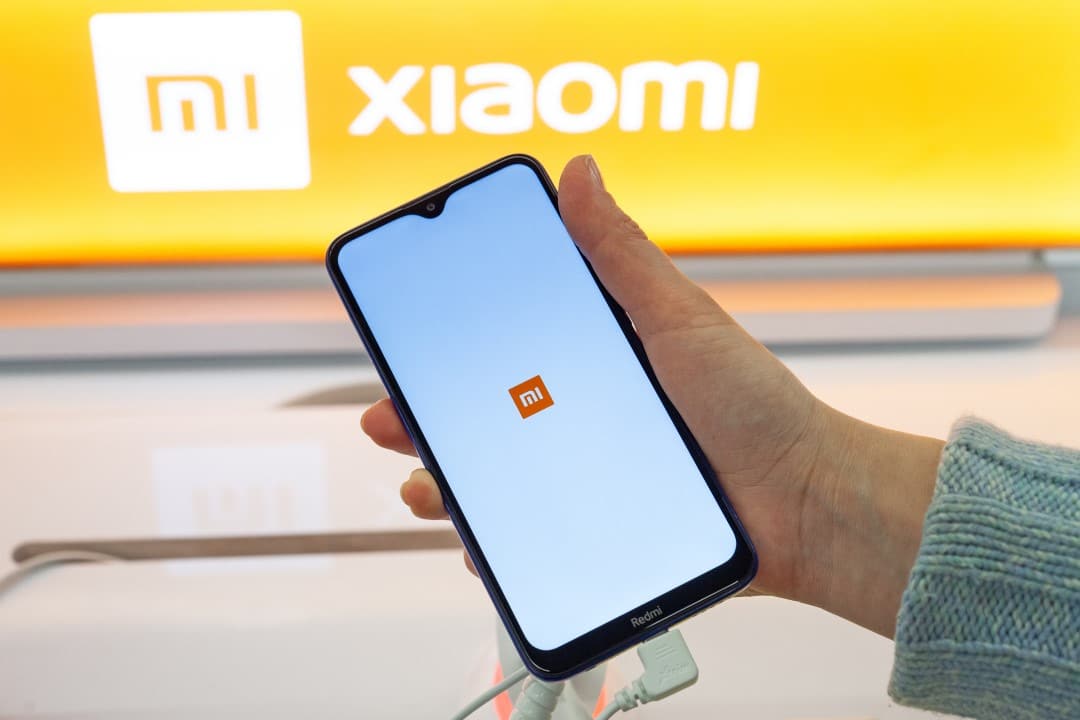
Xiaomi started the second stage of recruiting users for testing the HyperOS 3 version at China. The Essa phase is divided into two waves throughout January, prioritizing recent flagship devices from the brand and the Redmi subsidiary. The update is an early engineering build, still unstable and intended only for the Chinese market.
The first devices covered will receive priority access from January 22nd. Entre they are recently launched high-end models, as well as high-performance tablets. The company reinforces that this version may have flaws and is not recommended for daily use on main devices.
The second wave runs until January 30th and extends the range to flagships from the previous year. Dobráveis and other tablets are also on this list. Xiaomi highlights the importance of feedback from testers to refine the system before stable release.
- Xiaomi 17 series: includes Xiaomi 17 Ultra, Xiaomi 17 Pro Max, Xiaomi 17
- Redmi K90 series: covers K90 Pro Max and K90.
- Tablets: Xiaomi Pad 8 Pro and Xiaomi Pad 8.
First wave devices
The first wave of testing prioritizes the most recent releases of Xiaomi. Esses models receive the initial beta build due to the advanced hardware, which allows them to better evaluate the performance of HyperOS 3. Selected users report positive initial experiences in fluidity, but some mention instabilities expected in the engineering version.
The inclusion of tablets in this initial phase demonstrates the company’s focus on unifying the experience between smartphones and larger devices. The Xiaomi Pad 8 Pro, for example, stands out for its high refresh rate screen and powerful processor. Testadores Chinese people already share screenshots showing improvements in multitasking.

Second wave of access
The expansion to models from the previous cycle takes place at the end of January. Essa strategy allows you to collect data from varied hardware before final release. Usuários of devices like the Xiaomi 15 series are eagerly awaiting this opportunity.
Foldables enter the program at this stage, expanding optimization tests for flexible screens. The Xiaomi MIX Flip 2 represents recent innovation in this segment. The Redmi contributes variants to the K80 series, maintaining a balance between performance and cost.
The inclusion of special editions, such as Titanium Edition, ensures broad coverage. Older Tablets, such as Pad 7 Ultra, complete the list to assess compatibility.
Features expected in HyperOS 3
HyperOS 3 brings refinements to animations and graphical stability, according to official information from Xiaomi. The system promises smoother flow in transitions and faster tactile responses. Melhorias in energy efficiency extends autonomy in intense use.
Integration of artificial intelligence resources appears as a highlight. Assistentes features make everyday tasks easier on supported devices. Conectividade between products in the Xiaomi ecosystem is reinforced, allowing seamless data transfer.
The HyperIsland design introduces renewed visual elements. Personalização lock screen and notifications gets additional options. Enhanced Segurança protects sensitive data with extra layers of encryption.
These new features are based on Android 16 for newer models, while previous devices use a base of Android 15. Xiaomi optimizes each build according to the hardware’s capabilities.
Risks and recommendations for testers
Early engineering versions contain known bugs and instabilities. Xiaomi explicitly warns against installation on main devices. Usuários must have a secondary device to participate safely.
Common issues include accelerated battery drain and crashes in specific apps. Reinícios unexpected events occur in early testing phases. Backup complete data is essential before any beta update.
The company automatically collects logs for future fixes. Participantes directly contribute to improving the system. Detailed Feedback accelerates resolution of critical issues.
Despite the risks, enthusiasts value early access to news. Muitos report satisfaction with visible progress between builds.
Full list of eligible models
The selection covers 17 variants between smartphones and tablets. Essa quantity reflects Xiaomi’s commitment to updating broad line quickly.
- Xiaomi 17 Ultra
- Xiaomi 17 Pro Max
- Xiaomi 17 Pro
- Xiaomi 17
- Redmi K90 Pro Max
- Redmi K90
- Xiaomi Pad 8 Pro
- Xiaomi Pad 8
- Xiaomi 15 Ultra
- Xiaomi 15S Pro
- Xiaomi 15 Pro
- Xiaomi 15
- Xiaomi 14 Ultra
- Xiaomi 14 Pro (including Titanium Edition)
- Xiaomi 14
- Xiaomi MIX Flip 2
- Redmi K80 Pro
- Redmi K80 Ultimate Edition
- Redmi K80
- Xiaomi Pad 7 Ultra
Context of HyperOS evolution
HyperOS succeeds MIUI as the main interface of Xiaomi starting in 2023. Cada annual version incorporates advances in performance and integration. The transition to HyperOS 3 maintains a focus on a unified ecosystem.
Previous updates have brought improved connectivity between phones, tablets and wearables. Usuários global teams await international schedule after Chinese tests. The company usually expands rollouts months after the initial phase in the domestic market.
Optimized performance especially benefits gamers and multitasking professionals. Redução load on animations frees up resources for heavy apps.
Participation in the beta program
Eligible Chinese users apply via the official Xiaomi community. Processo requires active Mi account and compatible device. Seleção occurs in limited batches for quality control.
After approval, manual download of the build is available. Instalação requires unlocked bootloader in some cases. Subsequent Atualizações arrive over-the-air to active participants.
Xiaomi values detailed bug reporting. Comunidade contributes significantly to final stability.
Prospects for stable release
Intense beta testing paves the way for stable release. Previous Cronogramas indicate broad release months after initial phases. Global Usuários track official announcements for local dates.
HyperOS 3 consolidates Xiaomi’s position in custom software. Concorrência fierce drive constant innovations. Atualizações regulars keep devices relevant longer.



