

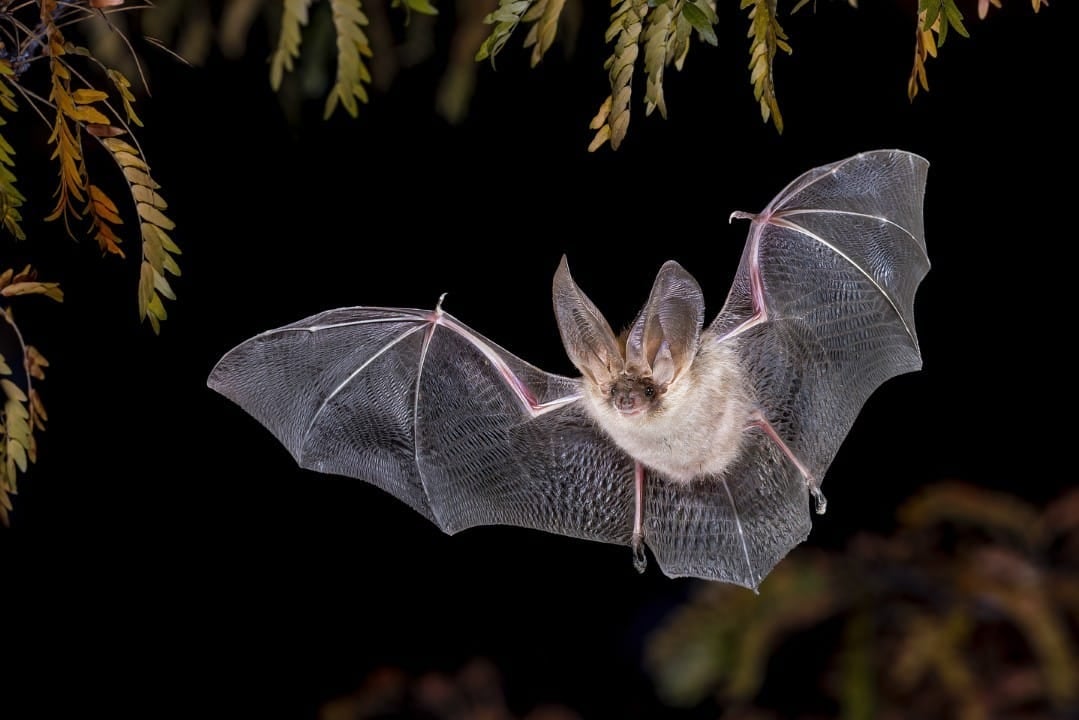
A health surveillance operation was launched at Zoológico of Alipore, at Kolkata, at Índia, where teams from National Institute of Malaria Research (Nimr) collected biological samples from bats. The action, carried out on the mornings of January 22nd and 23rd, 2026, has as its main objective the detection of the Nipah virus through RT-PCR tests, a direct response to a recent outbreak of the disease in the region.
The choice of the zoo as the focal point of the investigation was not random. The site is home to the largest and most significant colony of fruit bats in the metropolitan area of Kolkata, making it a strategic point for monitoring zoonoses. Esses animals are considered the natural reservoirs of the Nipah virus, capable of carrying and transmitting the pathogen without showing any symptoms, which increases the risk of silent outbreaks.
The health authorities’ initiative reflects the growing concern about the lethality of Nipah, which can affect up to 75% of those infected. Collecting genetic material from bats is a fundamental step towards mapping the circulation of the virus in local fauna and implementing more effective preventive measures, seeking to contain the spread of the disease before it becomes a larger-scale public health emergency.
The mobilization at the zoo of Alipore
The Nimr teams acted in a meticulous and planned manner, accessing the zoo’s facilities in the early hours of the morning. Esse time was strategically chosen to minimize stress and disturbance to the animals, ensuring safe and efficient sample collection. The professionals, equipped with personal protective suits, temporarily captured some specimens to obtain the necessary material.
Blood samples and oral and rectal swabs were collected from the bats, which were immediately packaged and sent for highly complex laboratory analysis. RT-PCR test results are crucial in confirming or ruling out the presence of viral RNA in the zoo colony, providing vital data for health authorities’ risk assessment of Bengala Ocidental.
Response to recent cases in Bengala Ocidental
The urgency of the surveillance operation was motivated by the confirmation of at least five cases of human infection with the Nipah virus in the metropolitan region of Kolkata during the month of January. Entre those infected are two healthcare professionals who had direct contact with the first patients, highlighting the high risk of interpersonal transmission in clinical environments.
As a containment measure, health authorities ordered home quarantine for approximately 100 people who had close contact with the confirmed cases. Equipes tracers are actively working to identify and monitor all possible chains of transmission in an effort to stop the spread of the virus in the community.
The investigation was not limited to the capital. Testes in bat populations were also carried out in other locations in the district of North 24 Parganas, such as Madhyamgram, Barasat and Basirhat. Essas coordinated actions demonstrate a comprehensive approach to understanding the geographic extent of virus circulation in local wildlife.
What is the Nipah virus and how is it transmitted
The Nipah virus is a zoonotic pathogen belonging to the Paramyxoviridae family, first identified in 1999 during an outbreak in Malásia. Ele is known to cause serious illness in both animals and humans, manifesting mainly as acute encephalitis, a brain inflammation that can quickly lead to coma and death, or as a severe respiratory illness. The fatality rate is alarmingly high, ranging between 40% and 75% depending on the outbreak and medical response capacity. The main natural reservoir of the virus is fruit bats of the genus Pteropus. Transmission to humans occurs through several routes, including direct contact with infected bats or pigs, or indirectly, through the consumption of fruit or date palm sap contaminated with the saliva or urine of these animals. Person-to-person transmission is also a major concern, especially in family and hospital settings, where close contact with secretions from infected patients can spread the disease. Atualmente, there is no specific vaccine or antiviral treatment approved for Nipah, and clinical management is restricted to intensive supportive care, making prevention and early detection the most important tools for saving lives.
Warning signs and the diagnostic process
Infection with the Nipah virus in humans usually begins with nonspecific symptoms, which can make initial diagnosis difficult. Pacientes have a high fever, severe headaches, muscle pain, vomiting and sore throat. Essa initial phase can be easily confused with other more common viral diseases.
As the disease progresses, neurological symptoms become prominent. Patients may develop dizziness, drowsiness, mental confusion, and other signs of encephalitis. In severe cases, the condition can progress to a coma in just 24 to 48 hours, requiring immediate intensive care.
Diagnostic confirmation depends on specific laboratory tests. The most reliable method during the acute phase of the disease is reverse transcriptase polymerase chain reaction (RT-PCR), performed on samples of body fluids such as blood, urine and throat swabs. Testes Serological tests to detect antibodies can also be used in later stages.
Due to the high risk of transmission, any suspected case must be immediately isolated to prevent the spread of the virus, especially in healthcare facilities. Professionals caring for these patients must follow strict infection control protocols, using full personal protective equipment to minimize exposure.
Índia’s history in combating Nipah
Índia has faced sporadic outbreaks of the Nipah virus since 2001, when the first episode was recorded in the state of Bengala Ocidental. Desde then, the country has accumulated significant experience in handling this health emergency, with the majority of documented cases concentrated in the southern state of Kerala, which has faced multiple serious outbreaks over the years. Esses Past events, although tragic, served to strengthen the country’s epidemiological surveillance systems and rapid response capacity, resulting in the creation of more robust protocols for detection and containment.
Experience gained from previous outbreaks, especially those of Kerala in 2018 and subsequent years, has led to better preparedness of medical and laboratory teams. Hoje, Índia has a network of laboratories with the capacity to quickly diagnose Nipah, and healthcare professionals are better trained to identify symptoms early. Collaboration with international organizations, such as Organização Mundial of Saúde (WHO), has also been fundamental, with Nipah being classified as a priority virus for research and development of vaccines and treatments, boosting scientific efforts in the country.
Prevention and awareness strategies
Prevention is the main weapon against the Nipah virus. Health authorities strongly recommend that the population avoid consuming fruits that have animal bite marks or that are found lying on the ground, especially in areas with a high population of bats. Date palm sap, popular in some regions, must also be boiled before consumption to eliminate any viral contamination.
Recommendations for the population
It is essential that people avoid direct contact with sick bats and pigs in endemic areas. The use of gloves and other protective clothing is advised when handling sick animals or during slaughter. Thoroughly washing and peeling fruit before consumption are simple practices that significantly reduce the risk of infection.
If symptoms compatible with the disease appear, such as fever and changes in mental status, seeking medical attention should be immediate. Informar to the healthcare professional about any possible exposure to the virus is crucial for a rapid diagnosis and for the implementation of isolation measures that protect the family and the community.



