Apple innovates with visual alerts on the iPhone screen for important notifications and calls
Apple has implemented a major new accessibility tool in its iOS operating system, designed to provide a visual alternative to audible and vibrating alerts. The feature allows the entire iPhone screen to flash to notify the user of incoming calls, messages and other app notifications, ensuring crucial alerts are not missed.
This feature was developed mainly with hearing impaired people in mind, who depend on visual stimuli to interact with their devices. However, its usefulness extends to a wide range of everyday situations, such as in quiet work environments, meetings, libraries or noisy places where the device’s sounds are inaudible.
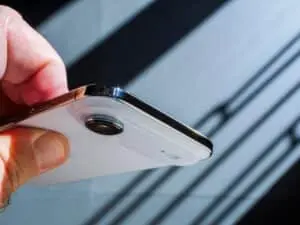
The new on-screen visual alert option complements the existing LED flash function, which uses the light from the rear camera to signal notifications. Agora, users can choose between using the screen, the LED, or both simultaneously, customizing the experience according to their specific needs and preferences, which represents a significant advance in the flexibility of the platform’s accessibility features.
How the new visual alert works
The new visual alert feature is both simple and effective, designed to capture the user’s attention immediately without being overly intrusive. When you receive a notification, instead of just making a sound or vibrating, the system causes the iPhone screen to emit a series of quick, bright flashes. Essa sinalização visual é especialmente útil quando o dispositivo está no campo de visão do usuário, mas com o som desativado ou em um ambiente barulhento. The Apple has calibrated the intensity and frequency of the flashes to ensure they are easily noticeable in different lighting conditions, from low-light indoor environments to brighter outdoor locations. The functionality applies to a wide range of alerts, including phone calls, text messages (SMS and iMessage), and notifications from third-party applications such as social networks and emails, making it a universal solution for those who prefer or need visual feedback.
On the same topic: New Apple system update optimizes urgent task management for iPhone users
Activating and customizing the feature
Activating the new accessibility tool is a straightforward process, intuitively integrated into the operating system settings.
To access it, the user must navigate to the “Settings” application, select the “Accessibility” option and then enter the “Audio/Visual” menu.
Learn more: Apple releases iOS 26.4 with new brightness and motion controls for Liquid Glass interface
Within this section, simply scroll down until you find the option “Blink LED for Alertas” and, when you enter it, the new controls will appear. The user will find a toggle for “Blink on Desbloquear”, allowing the screen’s visual alert to only work when the iPhone is in use, and another for “Blink on Modo Silencioso”, ensuring that visual notifications remain active even when sounds are turned off.
This granularity of control allows each person to adapt the resource to their daily usage flow. It is possible, for example, to keep only the screen flash active during the day and combine it with the LED flash at night, offering complete and effective customization for different contexts and needs.
Main beneficiaries of the functionality
The primary audience that benefits from this innovation is, without a doubt, the community of people who are deaf or have some degree of hearing loss.
See Also


More on this story: Tim Cook reveals new iPhone and iPod prototypes in celebration of Apple’s fiftieth anniversary
For these users, an alert that relies solely on sound is ineffective, and vibration may not be felt depending on where the phone is. On-screen flash offers a straightforward and reliable solution.
Furthermore, the functionality proves to be extremely useful in professional and academic scenarios, where silence is mandatory. Profissionais in important meetings, doctors in offices or students in libraries can keep their devices visible and receive alerts discreetly without causing interruptions.
Impact on battery life
A common concern with features that wake up the screen is the potential impact on battery consumption. The Apple designed the visual alert function to be highly energy efficient. Flashes are instantaneous and use a minimum amount of energy, especially on iPhone models equipped with OLED screens, which only illuminate the necessary pixels, optimizing consumption.
In everyday use tests, the impact on the device’s overall autonomy is considered marginal. The convenience and gain in accessibility far outweigh the additional energy consumption, which for most users will be imperceptible. Aqueles who want to maximize battery life can configure the feature to only work under specific conditions, such as when the device is unlocked.
Accessibility as a pillar of Apple
This new feature reinforces Apple’s long-standing commitment to accessibility, one of the fundamental pillars in the development of its products and software.
Learn more: Apple releases iOS 26.4.2 with security patch for notifications on iPhones
The company has a history of creating innovative tools, such as VoiceOver for blind users, Controle Assistivo for people with reduced mobility, and Som Adaptativo, which adjusts audio for different environments, showing that technology can and should be inclusive.
Compatibility with iPhone devices
The on-screen visual alert functionality is available for all iPhone models that support the latest versions of the iOS operating system. Isso ensures that a large number of users, both with new devices and compatible previous generation models, can immediately benefit from this important accessibility improvement without the need to purchase new hardware.