
Brazilian election outlook to weigh significantly on stock market performance in coming months, says expert

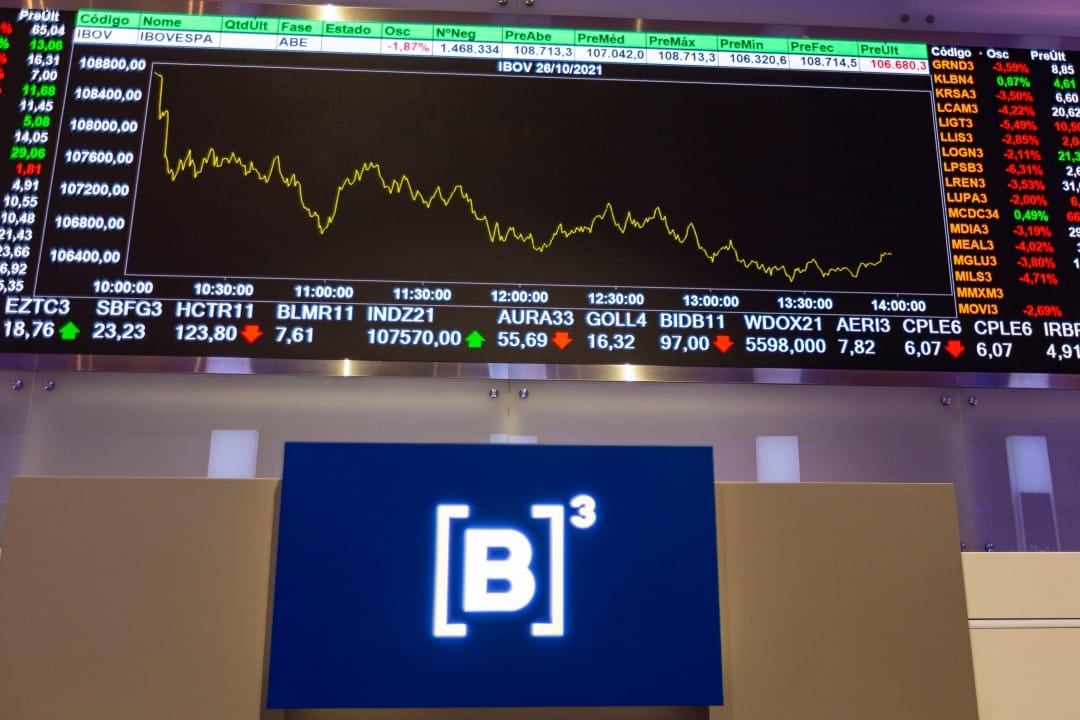
The Ibovespa, Brazil’s benchmark stock index, recently soared to an unprecedented 178,000 points in 2025, marking a historic high primarily fueled by positive international sentiment. This included United States President Donald Trump softening his stance regarding Greenland, easing geopolitical tensions that had previously rattled global markets and cleared the path for riskier assets. However, despite this bullish momentum, Gustavo Cruz, Chief Strategist at RB Investimentos, warned that Brazil’s evolving political landscape is poised to exert significant influence on the Ibovespa’s trajectory in the near future, indicating a shift in market focus from global factors to domestic concerns that could temper the record rally.
Historically, periods leading up to elections in Brazil have seen foreign investors adopt a more cautious and often negative outlook, contributing to heightened market volatility and increased risk aversion. This pattern suggests upcoming electoral cycles could introduce significant uncertainty for capital allocation.
While international events currently captivate foreign investors, Cruz emphasizes that Brazil’s fragmented electoral scenario is set to gain increasing prominence over the coming months, potentially reshaping market dynamics considerably.
Foreign capital drives current market surge
The current upward trend observed in the market is distinctly characteristic of foreign capital flowing into Brazil, a movement consistently tracked throughout early 2025. International investors are strategically targeting Brazil’s blue-chip stocks, which include major players such as Vale, Petrobras, and the nation’s largest banks. These companies represent the highest-weighted assets within the Ibovespa and, crucially, offer superior liquidity, making them attractive for substantial capital deployment and short-term gains.
The preference for high-liquidity assets by foreign investors is pragmatic and driven by risk management, especially in emerging markets. They often enter with stronger currencies like the U.S. dollar and require the flexibility to execute quick entries and exits without significantly impacting asset prices. This necessity explains their tendency to steer clear of smaller capitalization stocks, known as small caps, which typically offer less immediate liquidity during periods of market stress.
Electoral volatility heightens investor caution
Foreign investors have historically viewed Brazil’s electoral periods with increased apprehension, often adopting a more pessimistic perspective on the nation’s economic outlook. This ingrained behavior is largely due to the historically intense volatility that typically accompanies these political cycles, leading to significant market fluctuations and policy uncertainty.
As the fragmented electoral scenario in Brazil approaches, its relevance to investment decisions is expected to grow substantially. Experts anticipate that the lack of clear frontrunners or strong political consensus could amplify market jitters, potentially leading to a period of reduced foreign investment or capital reallocation as investors await more stable political horizons.
This heightened focus on domestic politics signals a pivotal shift from the current international drivers, likely tempering the recent record-breaking rally on the Ibovespa. The market will begin to price in election uncertainties, which could manifest as increased trading volumes and sharper price swings in major indices and individual stocks.
Global economic pressures loom large
Beyond domestic politics, the global economic environment presents its own significant set of challenges, particularly concerning the United States economy. While recent revisions showed the U.S. Gross Domestic Product corrected to a robust 4.4% for 2025, indicating strong underlying economic activity, this growth also signals persistent inflationary pressures that demand close monitoring from central bankers worldwide. A major point of contention and a significant challenge for 2025 will undoubtedly be the political dispute unfolding within the American Central Bank, the Federal Reserve. This internal debate centers on the optimal path for monetary policy, with divergent views on how to address the evolving economic landscape amidst a backdrop of inflation that continues to climb well above the Federal Reserve’s long-term target of 2%, a situation intensified by various domestic fiscal policies and international trade dynamics.
US tariffs and internal Fed debates
Tariffs imposed by the United States government are slated to remain in full effect throughout 2025, unlike previous years when similar measures were often postponed. This consistent application of trade barriers, particularly on imported goods, is anticipated to exert further upward pressure on inflation within the U.S. economy, impacting consumer prices and production costs across various sectors by raising the input costs for businesses.
The sustained inflationary pressure stemming from these tariffs is set to intensify tensions within the Federal Reserve, as its dual mandate requires it to foster maximum employment and stable prices. The institution faces a challenging internal dynamic, characterized by a clear division among its leadership, reflecting differing economic philosophies and priorities in managing monetary policy, thereby creating uncertainty for future interest rate decisions.
On one side, Federal Reserve officials who are more aligned with President Donald Trump’s economic agenda are advocating for faster and more aggressive interest rate cuts. Their rationale often stems from a desire to stimulate economic growth, reduce borrowing costs for businesses, and support specific sectors, prioritizing expansion over stringent inflation control in the short term, despite the potential risks.
Conversely, the more traditional members of the Federal Reserve express considerable apprehension regarding the potential for inflation to spiral out of control if interest rates are lowered too quickly. They prioritize maintaining long-term price stability and preventing an overheating economy, warning against premature easing of monetary policy that could lead to subsequent, more severe, corrective measures.
Brazilian tax reform and investment shifts
The ongoing discussions and proposed implementations for tax reform in Brazil, particularly concerning the potential taxation of dividends, represent a significant point of concern for the nation’s financial system in 2025. This proposed change could fundamentally alter existing investment strategies, as investors are inherently driven by the desire to maximize their financial returns.
Gustavo Cruz explains that should dividend taxation be implemented, investors will inevitably gravitate towards other asset classes and financial instruments that continue to offer tax exemptions or more favorable fiscal treatment, seeking to preserve their net gains. This strategic repositioning is a natural response to changes in the regulatory environment.
Adapting to fiscal shifts
Sectors such as agribusiness and real estate are projected to become considerably more attractive to both domestic and foreign capital, offering stability and growth potential. Additionally, incentivized debentures designed specifically for infrastructure projects stand out, as these currently offer tax advantages that enhance overall investment returns and align with government growth initiatives, demonstrating the market’s adaptability.



