

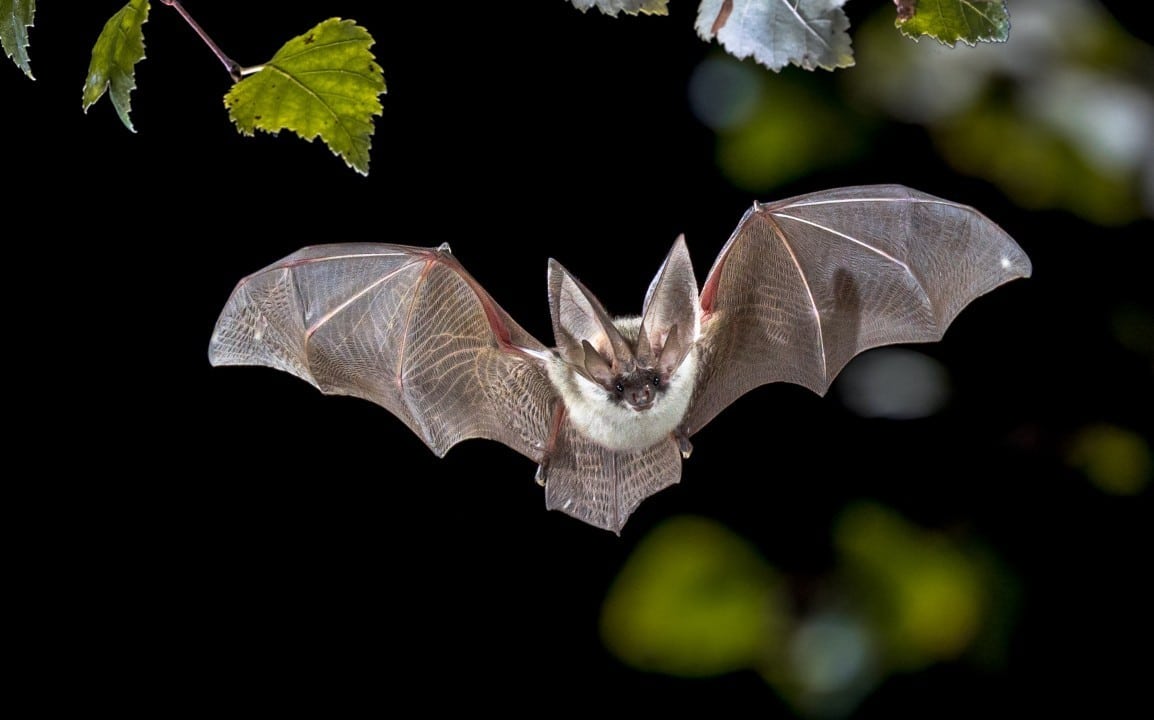
Health authorities from Índia confirmed five cases of the Nipah virus in the state of Bengala Ocidental, eastern region of the country. The infection, transmitted mainly by fruit bats, led to the quarantine of almost a hundred people who were in close contact with the patients. Containment actions began immediately after the first cases were detected in January 2026.
Those infected include healthcare workers at a private hospital in North 24 Parganas, close to Kolkata. Testes laboratories identified the pathogen in samples collected at the beginning of the month. Não specific treatment is available, and monitoring remains intensive in specialized units.
The local government reinforced tracking protocols and restrictions in risk areas. Países neighbors have started screening travelers from Índia to prevent spread.
Initial cases detected
The first infections emerged among nurses caring for patients at a hospital in Barasat. Exames carried out in a national laboratory confirmed the Nipah virus on January 13, 2026. The professionals presented serious symptoms, including respiratory complications.
Authorities are investigating the initial transmission chain, paying special attention to possible hospital exposures. Experiências of previous outbreaks in Bengala Ocidental, in 2001 and 2007, guide current responses.
Symptoms observed in patients
Confirmed cases started with high fever, headaches and respiratory problems. The evolution included neurological signs, such as mental confusion and brain inflammation. Internações in intensive care units support patients with mechanical ventilation when necessary.
Doctors highlight that the incubation period varies from four to 14 days after contact. Diagnósticos rapid through specific tests on body fluids allow early isolation. Cuidados intensive care focuses on controlling secondary complications.
Main transmission route
The Nipah virus passes from fruit bats to humans through contaminated fruit or animal secretions. Interpersonal transmission occurs via respiratory droplets or direct contact with infected fluids. Ambientes hospitals amplify risks when protection protocols are insufficient.
- Avoid fruits bitten by wild animals;
- Thoroughly wash products exposed to the external environment;
- Adopt personal protective equipment in suspicious cases;
- Maintain distancing in confirmed cases.
These measures drastically reduce the possibility of new infections.
Quarantine actions adopted
The state of Bengala Ocidental isolated the five patients in equipped hospitals. Quase one hundred close contacts are in home quarantine with daily supervision from health teams. Active Rastreamento identifies additional exposures in nearby communities.
Temporary closure of affected hospital sectors complements the restrictions. Campanhas provide guidance on hygiene and symptom recognition. Cooperação International provides advanced laboratory support.
Samples of local bats undergo analysis to map reservoirs. Integrated Estratégias seek to interrupt transmission quickly.
Outbreak in regional context
Bengala Ocidental recorded episodes of Nipah in 2001, in Siliguri, and in 2007, with dozens of people affected. Kerala concentrated recent occurrences, since 2018. Taxas historical lethality ranges between 50% and 70% in these events.
Previous rapid responses have limited larger expansions. Investimentos in regional diagnosis accelerate current confirmations. Permanent Vigilância covers areas with populations of fruit bats.
Comparisons indicate that early isolations effectively control chains. Improved Protocolos reflect lessons accumulated over the years.
Local prevention strategies
Populations in endemic areas avoid direct contact with bats or their excrement. Proteção of palm tree cultivation prevents contamination of collected juices. Educação community promotes rigorous washing of fruits consumed raw.
- Do not drink unpasteurized palm juice;
- Install protective nets on fruit trees;
- Notify authorities of initial symptoms;
- Vaccinate domestic animals against related diseases.
Proven practices reduce risks in vulnerable regions.
Regular training prepares medical teams for immediate identification. Estoques of protective materials remain distributed at strategic points.
Global-level surveillance
Neighboring Asian nations have tightened controls on air and land borders. Verificações include temperature measurement and questionnaires about recent symptoms. Organização Mundial of Saúde coordinates data exchange and technical assistance.
The absence of a licensed vaccine maintains the emphasis on behavioral barriers. Pesquisas continue with immunizing candidates in experimental phases. Monitoramento set facilitates detection of imported cases.
Indian authorities update information daily on official channels. Transparência supports coordinated regional planning.
Control in progress
Health teams expand tests in districts adjacent to initial areas. Isolamento strictness of cases prevents chain progression. Active Vigilância covers hospitals and nearby communities.
Experts note that immediate interventions have contained similar events in the past. Manutenção of current measures indicates containment within weeks. Comunicação constantly guides the population on essential precautions.



