
Lightning strike injures dozens at Nikolas Ferreira rally in Brasília, highlighting outdoor event risks

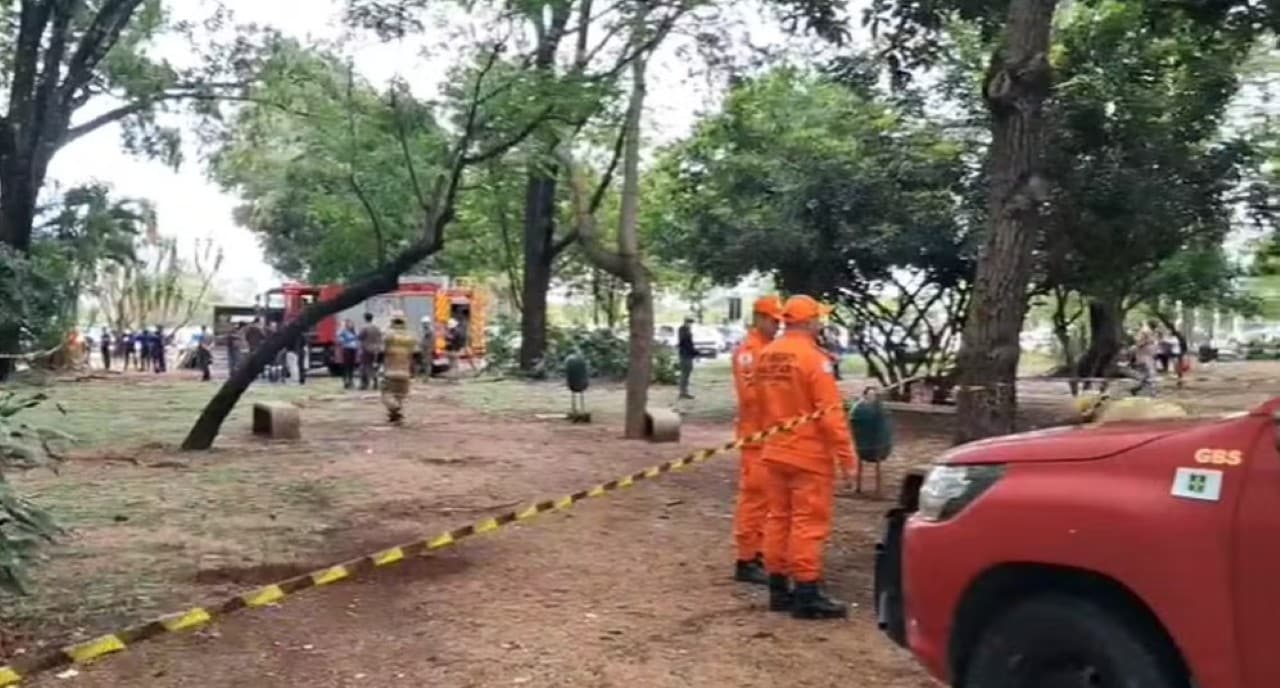
Lightning strike injures dozens at Nikolas Ferreira rally in Brasília, highlighting outdoor event risks
A sudden and powerful lightning strike near Praça do Cruzeiro in Brasília left 34 individuals injured on a recent Sunday afternoon, disrupting an event organized by federal deputy Nikolas Ferreira. The incident occurred amidst a torrential downpour, as a large gathering of demonstrators awaited the arrival of the politician. The sheer force of the strike, combined with the heavy rain, led to electrical conductivity through metal barriers where many attendees sought shelter, causing multiple electric shocks and widespread alarm among the crowd.
João Biage, a reporter from O Povo newspaper, who captured the exact moment of the lightning strike, detailed the chaotic scene during an interview. He explained that individuals leaning against the iron fences suffered severe electric shocks due to the rain’s enhanced conductivity, which rapidly spread the electrical charge. This created a perilous situation where people were observed falling as the electricity quickly propagated through the wet environment.
Immediate aftermath and widespread impact
The immediate aftermath was marked by intense confusion and distress, as the electrical current incapacitated several individuals simultaneously. Many sustained burns and exhibited symptoms consistent with electric shock, prompting an urgent call for assistance. The incident underscored the inherent dangers of large outdoor gatherings during severe weather conditions, especially in open, exposed areas prone to lightning strikes.
Emergency services, including brigadistas and firefighters already present at the site, responded with remarkable speed and efficiency. Their rapid deployment was critical in mitigating what could have been a far more tragic outcome. Initial assessments confirmed that, despite the high number of casualties, none of the injured were in life-threatening condition, a testament to the swift on-site medical attention.
First responders’ swift action
First responders moved quickly to aid the injured, stabilizing those who had suffered electrical shocks and burns. Of the 34 people affected, at least eight required transportation to Brasília’s Hospital de Base for more intensive medical care and observation. The remaining individuals received immediate treatment at a makeshift medical tent established near the Indigenous Museum, providing crucial care for those with less severe injuries or experiencing acute shock and fright. The presence of a substantial contingent of military police also facilitated an organized response, aiding in crowd control and ensuring clear access for emergency vehicles.
Challenges in rescue operations
The rescue efforts faced initial complications due to the ongoing electrification of the metal barriers surrounding the event area. Many attendees, in their attempt to move away or assist others, encountered residual electrical charges, which temporarily hindered safe evacuation and access for paramedics. This challenge required coordinated action from both emergency personnel and military police to safely remove individuals from the immediate vicinity of the still-charged fences.
Police officers played a vital role in creating a safe perimeter, instructing people to distance themselves from the electrified structures, thereby allowing first responders to reach the victims without further risk. This crucial intervention helped streamline the rescue process, ensuring that all those affected could be efficiently moved to ambulances or the medical tent. The systematic approach by the authorities was instrumental in managing the complex scenario under challenging weather conditions.
Safety measures enacted post-incident
Following the lightning strike, the music from the sound system was immediately halted, and event organizers swiftly issued instructions for manifestants to move away from the metal fences. As the torrential rain continued unabated, participants were advised to seek refuge in nearby sturdy structures. This included public buildings such as the Legislative Chamber of the Federal District, the Federal District Court of Accounts, and the Indigenous Museum, offering safer alternatives to remaining in the exposed area.
Guidance for future outdoor events
This incident highlights the critical importance of robust safety protocols and immediate response plans for outdoor public gatherings, especially in regions prone to sudden and severe weather shifts. Event organizers, in line with updated safety guidelines for 2025, are increasingly urged to implement advanced weather monitoring systems and ensure clear, accessible evacuation routes to designated safe shelters. Public awareness campaigns also play a crucial role, educating attendees on how to react to extreme weather warnings and the specific dangers of lightning in open spaces.
Brasília’s climate, characterized by intense and often unpredictable storms, makes such events particularly vulnerable to lightning hazards. The open expanse of Praça do Cruzeiro, coupled with the heavy precipitation and frequent electrical activity on that Sunday, created an elevated risk environment. Public health and safety experts recommend that organizers prioritize the well-being of attendees by rigorously adhering to weather advisories and having comprehensive emergency plans in place, including designated lightning-safe zones, to prevent future occurrences of this nature.
Location and weather factors
The location of the rally in an open, expansive area significantly amplified the risk of a lightning strike. Large, unshielded spaces are naturally more susceptible to direct lightning impacts during thunderstorms, posing a considerable threat to large crowds gathered within them. This inherent vulnerability demands meticulous planning and real-time weather assessments for any outdoor event.
Intense and prolonged rainfall had enveloped Brasília throughout the morning, setting the stage for the dramatic event. Hours of heavy precipitation, accompanied by numerous lightning flashes, created highly conducive conditions for the strike. Such severe weather patterns underscore the need for event planners to continuously monitor meteorological forecasts and be prepared to take decisive action to protect attendees.
The combination of an open venue, a large crowd, and a powerful electrical storm serves as a stark reminder of nature’s unpredictable force and the critical need for proactive safety measures at all public outdoor gatherings. These events must prioritize the rapid dissemination of warnings and the provision of secure shelters to safeguard lives during adverse weather conditions.
lightning strike, Brasília, Nikolas Ferreira rally, electric shock, outdoor event safety



