

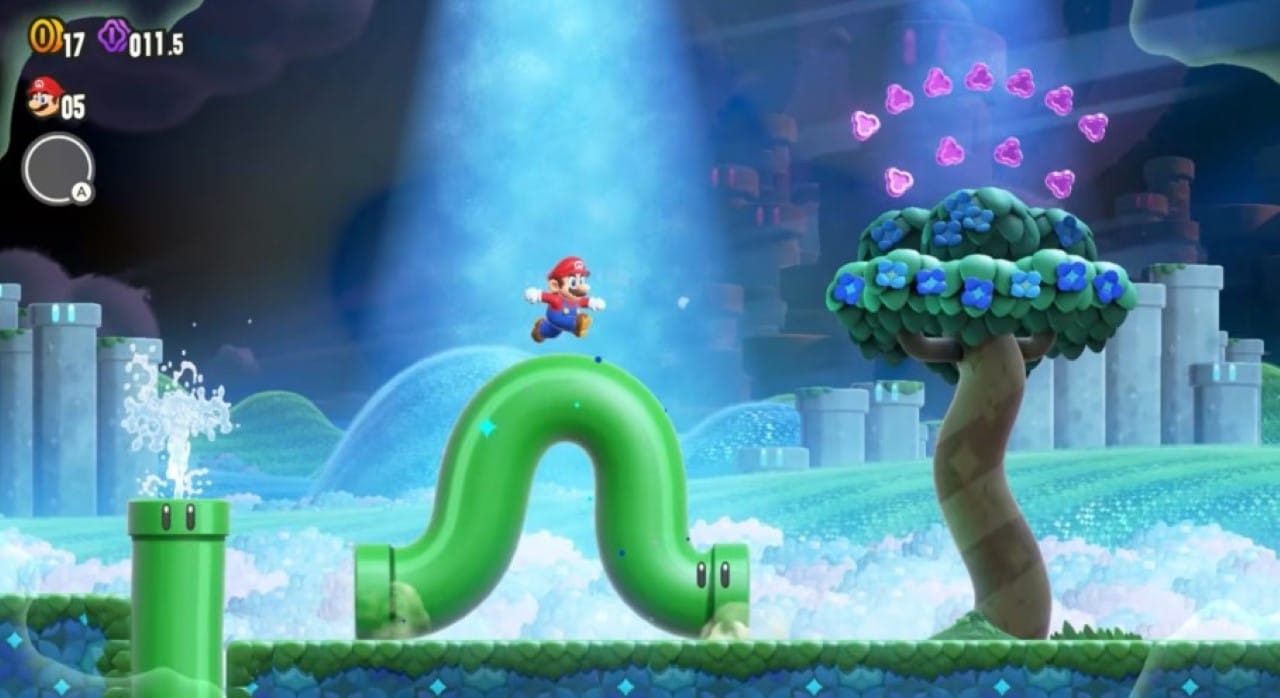
Nintendo has officially confirmed that the transition from the acclaimed Super Mario Bros. Wonder for its next console, the Switch 2, will not be free. The company announced an update package priced at US$19.99, which will bring improvements and new exclusive content to the new platform, scheduled for release on March 26, 2026.
The decision to charge an additional fee for players who already own the original version of the game generated a wave of heated debates on social media. Muitos fans expressed discontent, arguing that technical improvements for new hardware should be offered at no cost, following a trend seen on other platforms on the market.
In its defense, the Japanese company justifies the price by the volume of new content that accompanies the upgrade, positioning it more as an expansion than a simple technical port. However, the community remains divided over the validity of the charge and the value added to the package.
Three new amiibo figures also arrive March 26!
-Elephant Mario
-Captain Toad & Talking Flower
-Poplin & Prince FlorianTap any of the above in the#SuperMarioBrosWonderor Super Mario Bros. Wonder – Nintendo Switch 2 Edition + Meetup in Bellabel Park games to get power-up items…pic.twitter.com/mTTldsFNag
—Nintendo of America (@NintendoAmerica)January 22, 2026
What’s included in the update package
The main attraction of the upgrade is the new playable characters. Rosalina, a beloved figure from the Super Mario Galaxy series, joins the cast with his unique cosmic abilities. Her Além, Co-Star Luma debuts as a support character, designed to assist less experienced players and make gameplay more accessible.
Another significant addition is the inclusion of battles against the seven Koopalings. Esses iconic bosses, absent from the original 2023 version, return in redesigned clashes to exploit the graphical and processing capabilities of Nintendo Switch 2, requiring new strategies from players to defeat.
The pack will also introduce a new line of amiibos exclusively compatible with this version of the game. By using collectibles, players will be able to unlock special items, cosmetic outfits and rare power-ups, deepening the integration between the software and the brand’s physical products.
These new features, according to the company, transform the gaming experience and offer dozens of hours of additional content. The intention is to provide concrete reasons for players to revisit Flower Kingdom, rather than just offering higher resolution and more stable frame rates.
Meetup in Bellabel Park and the focus on multiplayer
One of the biggest new features in the upgrade package is “Meetup in Bellabel Park”, an all-new social and multiplayer hub. Este space functions as a central plaza where players can interact and participate in exclusive activities. The area is divided into two distinct sections: one dedicated to local multiplayer and the other for online game rooms, significantly expanding the options for social interaction. At the local square, up to four players can gather simultaneously to compete in 17 different attractions, ranging from quick minigames to more complex challenges. One of the great benefits is the GameShare system, which allows a group to play with just one copy of the full game, reducing the barrier to entry for group sessions. Para supports online connectivity, six of these attractions also support wireless play, while the online room plaza offers a range of competitive and cooperative modes, maintaining the familiar and accessible DNA that is a hallmark of the Mario series.
The division of opinions in the community
The reaction to the announcement quickly polarized the Nintendo fanbase. On the one hand, a portion of players defend the charge, arguing that the amount of new content justifies the price. Para this group, the additions of characters, bosses, and a robust multiplayer mode bring the pack closer to a paid expansion, like a “premium DLC”, rather than a simple update patch. Eles emphasize that the development of these new elements has a cost and that the price of US$19.99 is fair for the new experiences offered, which promise to completely renew the original title.
On the other hand, a significant part of the community expressed strong opposition. The main criticism focuses on the comparison with the market practices of competitors such as Sony and Microsoft, which often offer free generation upgrades for their titles, focusing on performance and graphics improvements at no additional cost. Para these players, charging Nintendo is seen as an “anti-consumer” practice, forcing them to pay again for a game they have already purchased. The frustration is amplified by the fact that the total cost for a loyal player, who bought the original game and now the upgrade, becomes significantly high, exceeding the value of a new release.
Nintendo’s ports strategy
The policy of charging for improved versions of its games is not new to Nintendo’s strategy. The company has a long history of re-releasing hit titles from one console to another, often adding extra content to justify a new purchase or upgrade fee.
This approach was clearly seen during the transition from Wii U to Switch, when games like “Mario Kart 8 Deluxe” and “Donkey Kong Country:
The logic behind this strategy appears to be to maximize the value of its robust catalog of intellectual properties. Instead of simply porting the games, Nintendo chooses to invest in additions that can attract both new players and veterans willing to pay for the definitive experience.
Details about the new characters
The inclusion of Rosalina is one of the highlights for longtime fans. Sua’s gameplay differs from other characters by incorporating the classic spinning movement, similar to that seen in Super Mario Galaxy, which can be used both to attack enemies and to gain a small extra boost in the air.
The Co-Star Luma works as an accessibility facilitator. In single-player mode, he can be activated to collect distant items or stun enemies, while in co-op mode a second player can control him in a simplified way, allowing beginners to join in the action without the pressure of controlling a main character.
Implications for future releases on Switch 2
Nintendo’s decision with Super Mario Bros. Wonder sets an important precedent for the future of Switch 2. It is likely that other highly successful titles from the original Switch, such as “The Legend of Zelda: Tears of the Kingdom” and “Metroid
This strategy can influence consumer behavior, who may become more selective about which games to upgrade to the new generation. At the same time, it solidifies Nintendo’s position that its software has intrinsic value that transcends the hardware on which it runs.
Release information
The upgrade package for Super Mario Bros. Wonder will be available exclusively on the Nintendo Switch 2 eShop from March 26, 2026.



