
Brazil braces for extreme heat and widespread thunderstorms in january’s final week of 2025

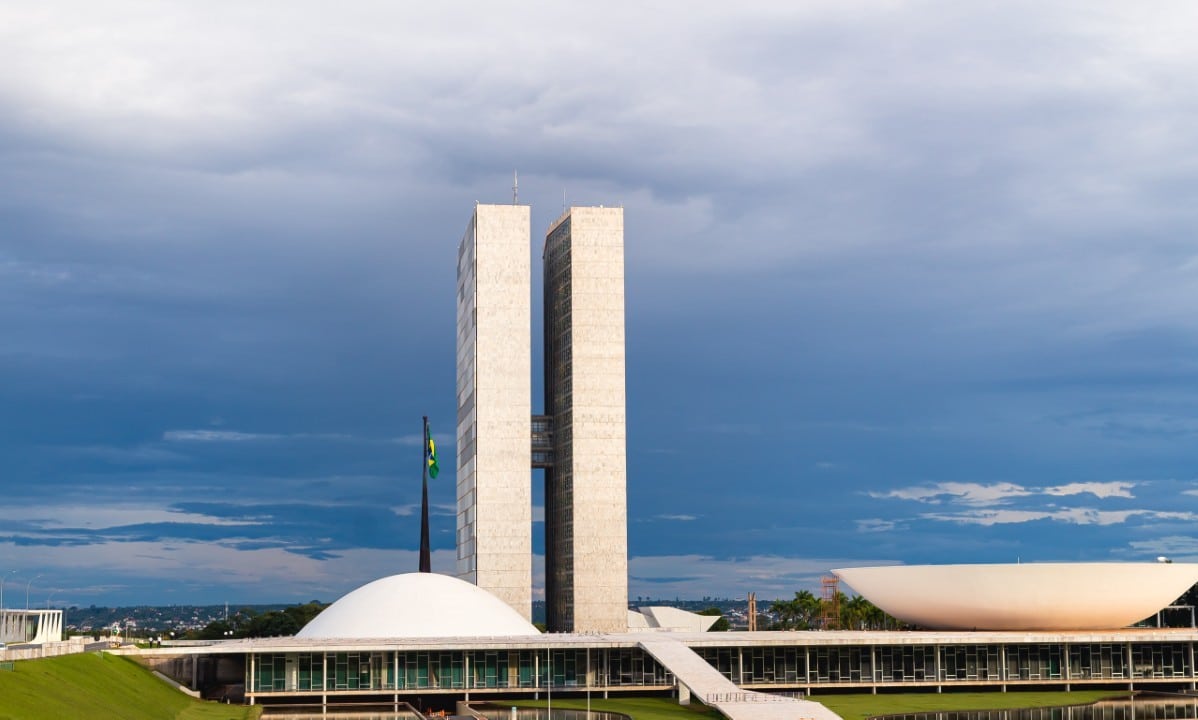
Brazil is poised for a significant weather shift during the final week of January 2025, characterized by a potent combination of intense heat and frequent, widespread thunderstorms. This atmospheric pattern is typical of the summer season, bringing both high temperatures and substantial rainfall to various regions.
Meteorological projections indicate that the extensive availability of humidity, coupled with soaring temperatures, will create prime conditions for these convective storms to develop daily across nearly all parts of the country. This setup promises a dynamic end to the first month of the year.
While some areas recently experienced unusually high rainfall, a general weakening of large-scale humidity corridors suggests a slight reduction in overall rain volumes for certain locations. However, atmospheric instability is expected to remain elevated throughout the week, necessitating continued vigilance.
Shifting weather patterns across the southeast
The southeastern region of Brazil, including areas of Espírito Santo and significant portions of Rio de Janeiro and Minas Gerais, is expected to see a decrease in overall rainfall after a period of exceptionally high volumes. This adjustment follows a week where these states, along with parts of Mato Grosso and Goiás, recorded precipitation levels between 200 and 400 millimeters, attributed to a robust humidity corridor. Residents can anticipate more hours of sunshine, leading to a noticeable increase in heat.
Isolated and brief afternoon and evening showers are still forecast for these areas, maintaining some level of atmospheric activity despite the general reduction in heavy downpours. The transition towards clearer skies and higher temperatures marks a change from the recent saturated conditions, allowing for some respite from continuous heavy rain. However, the underlying summer pattern of localized instability persists, advising residents to remain aware of sudden weather changes.
Southern brazil prepares for returning rains and intense heat
In southern Brazil, scattered showers are projected to resume with greater frequency starting around mid-week, affecting all three states in the region. These precipitation events are anticipated to range from moderate to strong intensity, potentially leading to localized impacts. Residents should prepare for rapid changes in weather conditions.
Another significant highlight for the south is the anticipated rise in temperatures. Forecasts indicate that the western parts of the region could experience highs between 36°C and nearly 40°C, marking an intense heat wave alongside the returning rains. This combination of heat and potential storms necessitates caution.
Central-west continues typical summer weather trends
The Centro-Oeste region will experience hot and humid days during the last week of January, with periods of sunshine interspersed with late-day thunderstorms. This weather pattern aligns with the typical summer conditions for the area, characterized by quick yet potentially intense rainfall in localized spots.
While Goiás and the Federal District are expected to see a decrease in the frequency of these showers, Mato Grosso do Sul will stand out for its strong heat and isolated storms. Residents should prepare for rapid shifts from clear skies to sudden downpours, which can often bring significant amounts of water in a short time.
Temperatures in areas bordering Paraguay are predicted to approach 40°C, underscoring the severity of the heat in this part of the country. This combination of high heat and localized storms emphasizes the dynamic nature of the region’s summer climate, requiring constant awareness from its inhabitants.
Northeast and northern regions anticipate increased precipitation
An increase in rainfall is expected across the Northeast throughout the week, with particular emphasis on the northern parts of the region. Meteorological models suggest that the most affected areas will include central and northern Maranhão and Piauí.
Additionally, Ceará, Rio Grande do Norte, and portions of Paraíba are anticipated to receive significant precipitation. Episodes of heavy rain have already been recorded in coastal Maranhão and Rio Grande do Norte, as well as inland areas of Bahia, Ceará, and Piauí during previous periods, setting a precedent for this week’s forecast.
Meanwhile, the North region is also forecasted to experience frequent thunderstorms across all its states. The volume of precipitation is expected to intensify in Amapá and around the Belém area, contributing to the region’s typical wet season.
This consistent rainfall, with localized heavy downpours, is a common occurrence during this time of year. Residents should be prepared for potential disruptions, as the heavy rains can impact daily activities and infrastructure.
Sustained vigilance needed amidst flood risks and rising rivers
Acre and Amazonas demand particular attention due to forecasts of persistent and, at times, intense rainfall. In Acre, the Acre River continues to maintain an alert level in Rio Branco, indicating ongoing concerns for local communities regarding potential overflow. The rising water levels in rivers across Amazonas elevate the risk of widespread flooding, potentially affecting numerous riverside communities and impacting local transportation and livelihoods, which are often dependent on river access. Manaus has also recently registered several episodes of heavy rain, contributing to the overall flood risk and underscoring the need for continuous monitoring and preparedness measures across these vulnerable areas, especially as the rainy season progresses.
São paulo sees renewed flood alerts as reservoirs benefit
In São Paulo, a return to more frequent rainfall is anticipated, with some storms possessing the potential to cause disruptions such as flash floods, especially within the Greater São Paulo metropolitan area. Local authorities and residents are advised to prepare for these conditions, which could lead to localized traffic issues and property damage.
Positively, increased rainfall is also predicted over the main reservoirs of the Cantareira system. These reservoirs are crucial for supplying water to the metropolitan region, and additional precipitation will significantly aid in replenishing their levels, ensuring continued water security for the populous area.
Summer’s dynamic weather persists
The combination of intense heat and seasonal thunderstorms underscores the dynamic and often challenging nature of Brazil’s summer. Weather patterns will continue to evolve, requiring ongoing public awareness and preparedness for both high temperatures and sudden, heavy rainfall across the diverse landscapes of the country.


