One UI 8.5 arrives in beta with Galaxy AI for text photo editing and image merging on Samsung
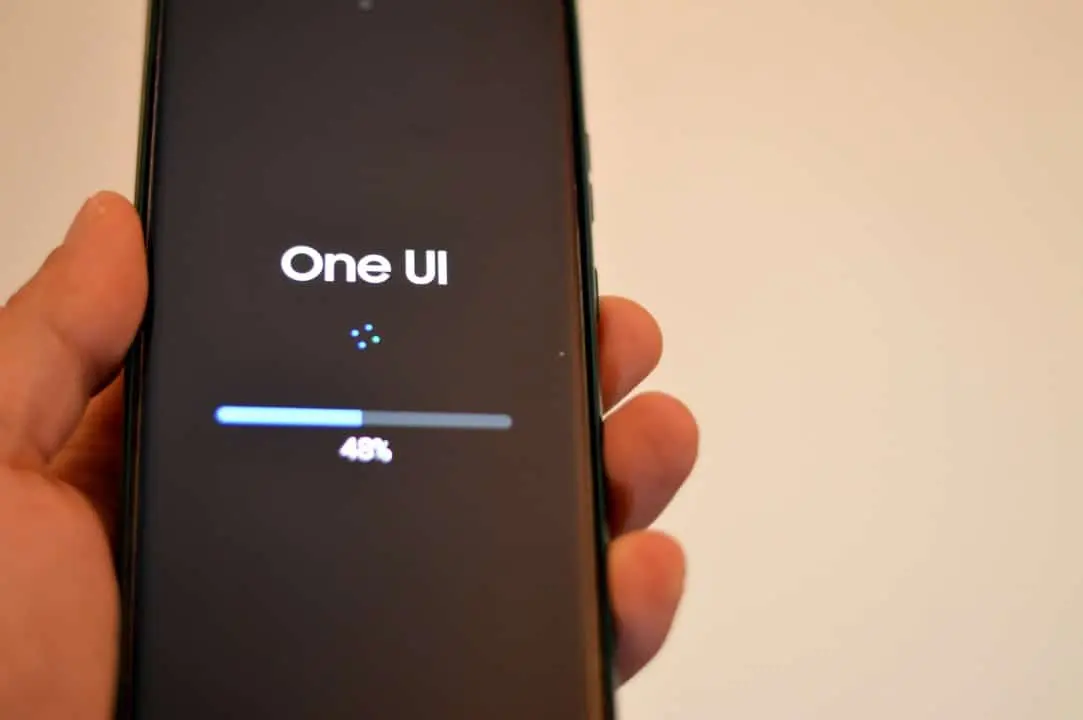
Samsung has begun a new phase of innovation in its mobile devices with the announcement of the One UI 8.5 beta program. Baseada on Android 16, the update was initially released for the Galaxy S25 line in selected markets and highlights the evolution of Galaxy AI, focused on transforming the way users interact and edit their photographs. The new version promises to simplify complex image editing processes, making them accessible through simple and direct text commands.
The beta program began rolling out in countries including Alemanha, Índia, Coreia, Sul, Polônia, Reino Unido, and Samsung Members. The central proposal is to integrate generative artificial intelligence tools directly into the Galeria application, eliminating the need for third-party software to perform advanced edits.
Among the most anticipated features is the enhancement of Photo Assist, which now allows continuous edits without the need to save intermediate copies of an image, facilitating a more creative and experimental workflow. Além Furthermore, the ability to mix elements from different photos represents a significant leap forward, although this specific function should be implemented in future beta updates.
The editing revolution with artificial intelligence
One UI 8.5 deepens the integration of Galaxy AI into the Samsung ecosystem, positioning Photo Assist as a central tool in the Galeria application. With a dedicated button, users can trigger the AI assistant and simply describe the desired changes through text. Comandos such as “add a bluer sky” or “remove the person in the background” are processed by artificial intelligence to modify the image precisely. Essa intuitive approach democratizes photo editing, allowing users without technical knowledge of software like Photoshop to perform complex adjustments with ease. The technology not only performs the tasks, but also adjusts lighting, shadows, and textures so that the end result looks natural and cohesive.
More on this story: Samsung’s artificial intelligence gains text commands for photo editing in the One UI system
One of the most significant advances is the non-destructive editing system. Anteriormente, each significant change required the user to save a new version of the file, taking up storage space and making it difficult to return to a previous step. With the new update, all modifications are recorded in an edit history, allowing the user to navigate between versions, undo specific changes or compare before and after without creating multiple files. Para ensures the robust processing required by these tasks, the functionality depends on an internet connection, utilizing the cloud computing power of the Samsung to deliver fast, high-quality results, whilst keeping the application interface fluid and responsive.
Text prompt editing features
The ability to manipulate images using only natural language is the cornerstone of the new editing experience. Samsung has expanded this functionality, which was previously limited to drawing tools, into the heart of the Galeria application. Isso means that any photo can be changed with simple and straightforward commands.
The system was designed to understand the context of the image. For example, upon receiving the command “add a soccer ball to the boy’s feet”, the AI not only inserts the object, but also analyzes the ambient lighting, perspective and shadows so that the ball appears to belong to the original scene, generating a realistic result.
To ensure transparency, Samsung has implemented a watermark policy on all images significantly altered by generative AI. Essa subtle mark, applied to the metadata and visually in the corner of the photo, informs that the content has been artificially modified, an important measure to combat misinformation and promote the ethical use of technology.
Improved integration into the Galaxy ecosystem
One UI 8.5 doesn’t just improve photo editing; it also strengthens the synergy between the different devices in the Galaxy ecosystem. One of the most practical new features is Storage Share, a tool that allows users to access files stored on other Samsung devices, such as tablets, notebooks or smart TVs, directly from the My Files application on their smartphone. Desde devices were released after 2025 and are connected to the same account Samsung with Wi-Fi and Bluetooth activated, data transfer becomes obsolete, as access is done remotely and instantly. Isso simplifies document, photo and video management, creating a unified storage experience.
Content sharing has also been improved. Quick Share now uses artificial intelligence to analyze photos and suggest contacts based on the people identified in the images. If you take a photo with a friend, the system will automatically suggest sending it to them, speeding up the process. Outra notable addition is the Audio Broadcast, which uses Auracast technology to transmit audio from the phone’s microphone to multiple nearby Galaxy Buds headphones. Essa function is ideal for tour guides, speakers or even for sharing music or a podcast with friends in a noisy environment, turning your smartphone into a personal audio streaming center.
See Also


Learn more: Samsung improves Photo Assist in One UI 8.5 with text editing and image merging
Privacy and security features
With the advancement of AI capabilities, Samsung has strengthened privacy and security mechanisms in One UI 8.5. Users will have granular control over Galaxy AI features, being able to disable them globally or per application, ensuring that sensitive data is not processed without consent. Edit history, in turn, only stores metadata locally on the device, while all communication with cloud servers for AI processing uses end-to-end encryption to protect information against interception. The company has also committed to maintaining a monthly security update schedule to quickly fix any vulnerabilities that may arise.
Beta launch and availability
The One UI 8.5 testing program began in December 2025, focusing exclusively on the Galaxy S25 series. Samsung adopts a phased release strategy, releasing the update in waves to ensure server stability and collect feedback in an organized manner. Users in selected countries must register via the Samsung Members app to receive download notification.
The final stable release of One UI 8.5 is expected in early 2026, possibly coinciding with the release of the upcoming Galaxy S26 lineup. The expectation is that, after the initial testing period, the Samsung will expand the beta program to include other high-end models, such as the Galaxy series, Z Fold 7 and Z
Expansion to foldable devices
The One UI 8.5 architecture was developed with the versatility of foldable devices in mind. Preliminary code Análises already indicates specific optimizations for Galaxy Z Fold 7, showing that Photo Assist and other AI tools will be fully adapted to take advantage of larger, flexible screens. The interface will dynamically adjust, offering an expanded workspace for more complex edits, with full S Pen integration for greater precision.
Samsung plans to include the Z Fold 7 and Z Integration with DeX mode will also be improved, allowing users to transform the foldable smartphone into a powerful desktop editing station by connecting it to an external monitor, combining portability with professional productivity.
Forecast for global rollout
After the initial testing phase in the six priority markets, Samsung plans to begin expanding the beta program to more regions starting in January 2026. The company will follow a careful schedule, which will include certifying the new version of the software with regulatory agencies and telephone operators in each country to ensure full compatibility and network performance.
On the same topic: Samsung browser update sends files directly to the notes app
High-end models from previous generations, such as the Galaxy S24 series and the Galaxy Z Fold 6, are in line to receive the update shortly after the version is consolidated for the S25 line. Samsung aims to achieve coverage of more than 80% of its flagship devices launched in the last two years by the end of the first quarter of 2026. The feedback collected throughout the process will be fundamental in shaping the final version of the operating system.