
With ultra-fast recharging, the electric Xiaomi SU7 reaches the mark of 4,264 km in a single day

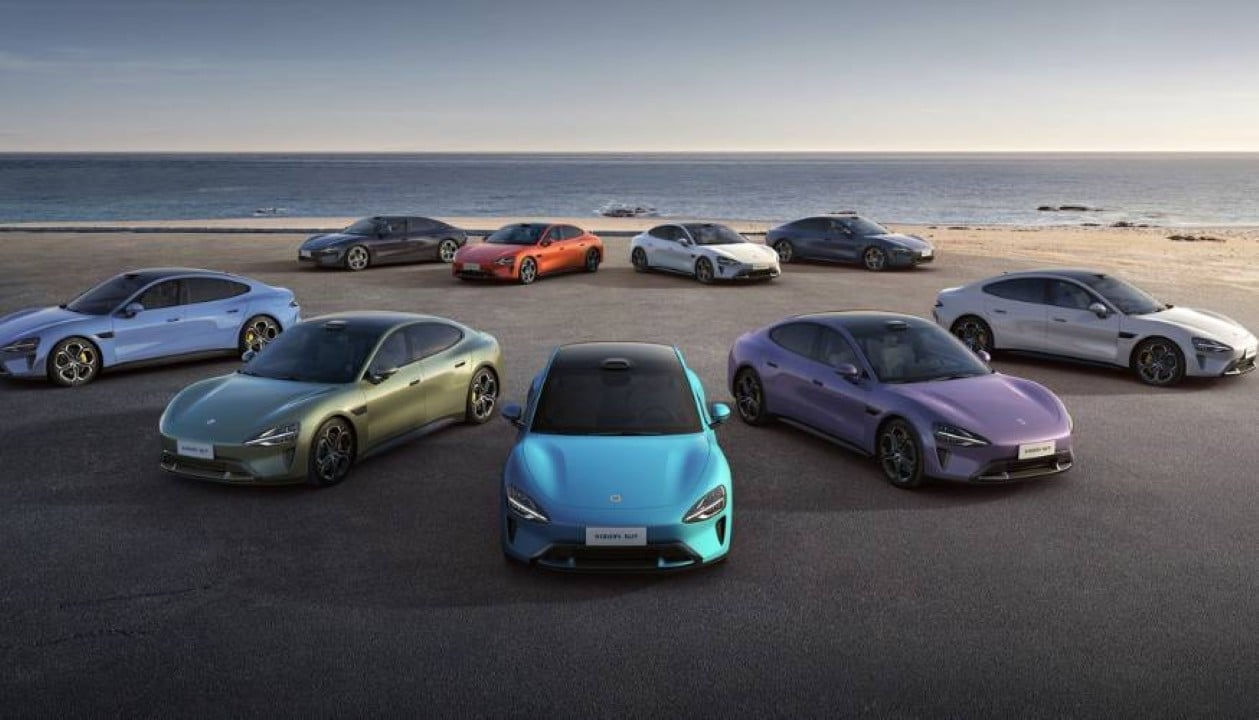
Xiaomi, the technology giant known for its smartphones, has set an impressive new milestone in the automotive sector with its electric sedan, the SU7. In a rigorous 24-hour endurance test, the vehicle covered a distance of 4,264 kilometers, surpassing previous records and demonstrating the viability of electric vehicles for long distances under intensive use. The feat, carried out on a high-speed test track at China, not only validates the model’s engineering, but also redefines expectations for series production electric cars.
Performance was achieved through a combination of high cruising speeds, which often exceeded 200 km/h, and strategic stops for recharging. The maximum speed recorded during the test reached 265 km/h, putting the powertrain and batteries under continuous stress. Engenheiros monitored the telemetry of the SU7 Max, the high-end version used in the challenge, to guarantee the integrity of all systems and validate the consistency of performance throughout the day.
This result places Xiaomi in a prominent position in the competitive electric market, proving that its entry into the automobile industry is supported by cutting-edge technology and innovation capacity. The historic brand serves as a powerful marketing tool and a proof of concept of the maturity of its vehicle platform, especially with regard to energy management and component durability.
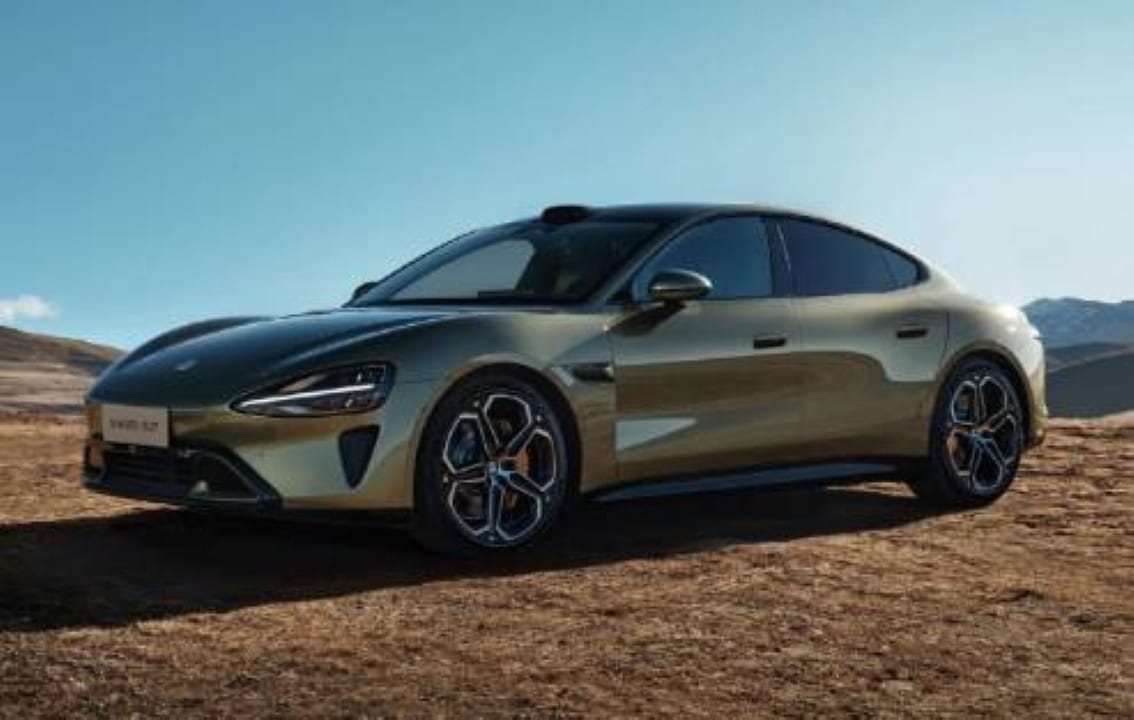
The technology behind track endurance
The success of the Xiaomi SU7 in such a demanding endurance test is directly attributed to its advanced electrical architecture and robust battery system. The vehicle is built on an 897 volt platform, one of the highest on the market, which allows for extremely fast and efficient energy transfer rates, minimizing thermal losses during charging and discharging at high power. The heart of the system is a 101 kWh CATL Qilin battery, designed to support rapid, repeated charge and discharge cycles without significant degradation. A crucial factor in maintaining performance was the thermal management system, which used a heat pump and liquid cooling to keep the battery cells at their ideal operating temperature. Mesmo with electric motors, which in the Max model deliver a combined power of 690 hp, operating close to the limit for hours, the system prevented overheating, ensuring that the car could deliver its maximum power consistently, without suffering from the reduction in performance known as “throttling”, common in other electric vehicles under prolonged stress.
Recharging strategy and aerodynamic efficiency
To cover more than four thousand kilometers in 24 hours, the time spent with the vehicle stopped was a critical factor. The SU7’s ultra-fast recharge capacity was the element that made the strategy viable. Graças Thanks to its high-voltage architecture, the sedan can recover approximately 670 kilometers of autonomy in just 15 minutes when connected to a high-power direct current charger. Essa speed allowed stops to be brief and efficient, maximizing the time the car was moving on the track and contributing to an hourly average travel speed of over 177 km/h, already taking into account breaks for energy refueling.
In addition to recharging, the vehicle’s efficiency at high speeds was fundamental to the result. The Xiaomi SU7 design has been meticulously optimized in wind tunnels to achieve an exceptionally low drag coefficient (Cd) of just 0.195. Essa aerodynamic feature reduces air resistance, allowing the car to maintain high speeds with lower energy consumption than many competitors. The precise balance between available raw power and aerodynamic efficiency was what allowed the SU7 to sustain a strong pace throughout the entire test, optimizing every kilowatt-hour of its battery to cover the greatest distance possible.
Outperforming direct premium market rivals
The new record set by Xiaomi SU7 is not only an impressive number, but also a statement of intent on the global stage. The mark of 4,264 kilometers easily surpasses the previous record, which belonged to the Xpeng P7, another Chinese electric sedan that had reached 3,944 kilometers in a similar test. Essa overcoming demonstrates the rapid evolution of automotive technology in China.
When compared to competitors from traditional European brands, the SU7’s achievement becomes even more remarkable. In long-term tests, renowned models such as the Porsche Taycan and the Mercedes-Benz CLA recorded considerably shorter distances, generally in the range between 3,400 and 3,700 kilometers. The substantial difference in performance reinforces the competitiveness of the Xiaomi proposal.
With this result, the Chinese manufacturer positions itself not only as a newcomer in the sector, but as a force to be reckoned with, capable of challenging and surpassing vehicles from brands with decades of experience in high-performance engineering. The achievement validates the company’s strategy of focusing on battery and charging technologies as its main competitive differentiators in the premium segment.
Performance validated on international circuits
The Xiaomi SU7’s capabilities are not limited to endurance testing on oval tracks. The company has also used world-renowned technical circuits to validate and improve vehicle dynamics. A prototype of the ultra-high-performance version, called the SU7
This time places the sedan among the fastest four-door vehicles to have ever covered the challenging circuit, a feat that serves as a development laboratory for the entire line. Lessons learned in extreme braking conditions, lateral acceleration and high-speed stability are directly applied to production models, benefiting the end consumer with a more refined chassis and more effective safety systems.
What to expect from the updated lineup
Xiaomi has already confirmed that the SU7 line will receive important updates, demonstrating an agile development cycle, typical of technology companies. One of the main improvements is in the computational power dedicated to driver assistance systems, which will jump to 700 TOPS (trillion operations per second). Essa capability will enable faster processing of sensor data, enabling more complex and safer autonomous driving functions.
Mechanical improvements are also on the radar, with the introduction of the new generation of V6s Plus electric engines, which promise greater torque and energy efficiency. Para Accompany the increase in performance, the models will feature wider rear tires, improving grip in curves and traction capacity during intense acceleration. Safety has also been reinforced with the inclusion of nine airbags as standard across the range.
In terms of autonomy, software and hardware optimizations will allow the Pro model, for example, to reach up to 902 kilometers on a single charge, according to the Chinese test cycle (CLTC). Essa continued evolution solidifies the SU7’s position as one of the longest-range electric vehicles available on the market.
Integration with the brand’s ecosystem is another pillar, with the HyperOS operating system seamlessly connecting the car to smartphones, watches and other Xiaomi devices. Essa synergy between hardware and software creates a cohesive user experience, which is one of the company’s biggest differentiators in relation to traditional automakers.
The rise of Chinese technology in the automotive sector
The success of the Xiaomi SU7 symbolizes a larger movement of Chinese technology companies entering and transforming the auto industry. Analistas of the market point out that the main competitive differentiator of these new automakers is their ability to integrate sophisticated automotive hardware with mature digital ecosystems, something that traditional manufacturers still struggle to replicate with the same fluidity.
Public response has been overwhelmingly positive, with tens of thousands of orders registered within the first few hours of the official launch, driven by a competitive pricing strategy and impressive performance demonstrations. Este scenario puts pressure on established brands to accelerate their own innovation cycles so as not to lose relevance in a rapidly evolving market.
Enabling the future of long-distance travel
Maintaining an average speed of over 177 km/h for 24 consecutive hours, including stops, proves that battery technology and fast charging infrastructure are the pillars for the future of long-distance electric mobility. The endurance test of the Xiaomi SU7 demonstrates in a practical way that the transition to electric vehicles can occur without sacrificing the convenience and freedom of travel, making refueling times increasingly closer to that of a combustion car.



