
With ultra-fast recharging, Xiaomi’s electric sedan travels 4,264 km and sets a new world record

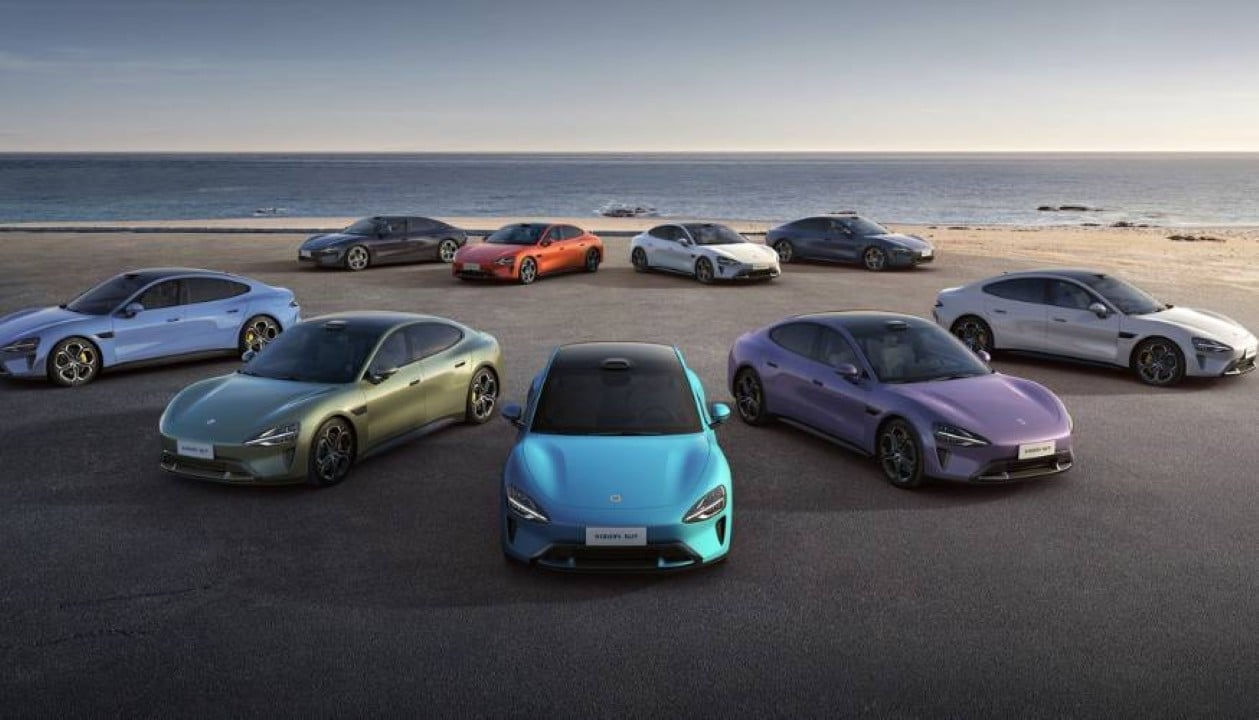
The global automotive industry has witnessed a new milestone of endurance for electric vehicles. The Xiaomi SU7 sedan set a historic milestone by covering an impressive 4,264 kilometers in a continuous 24-hour period. The test, carried out on a high-speed track at China, demonstrated the model’s ability to maintain extreme performance under rigorous conditions, surpassing previous records and redefining the limits of battery technology.
The feat puts the SU7 Max ahead of the previous record, which belonged to the Xpeng P7 with 3,944 kilometers. Durante the challenge, the Xiaomi vehicle alternated between high-speed laps, reaching peaks of 265 km/h, and strategic stops to recharge, which proved crucial to the final result. A team of engineers constantly monitored telemetry to validate the integrity of systems under prolonged stress.
The distance covered not only represents a significant advance for the manufacturer, which consolidates its entry into the competitive automotive sector, but also establishes a new level for series production electric cars. The performance validates the efficiency of the powertrain and electrical architecture developed by the technology giant, signaling a new era of competition in the market.
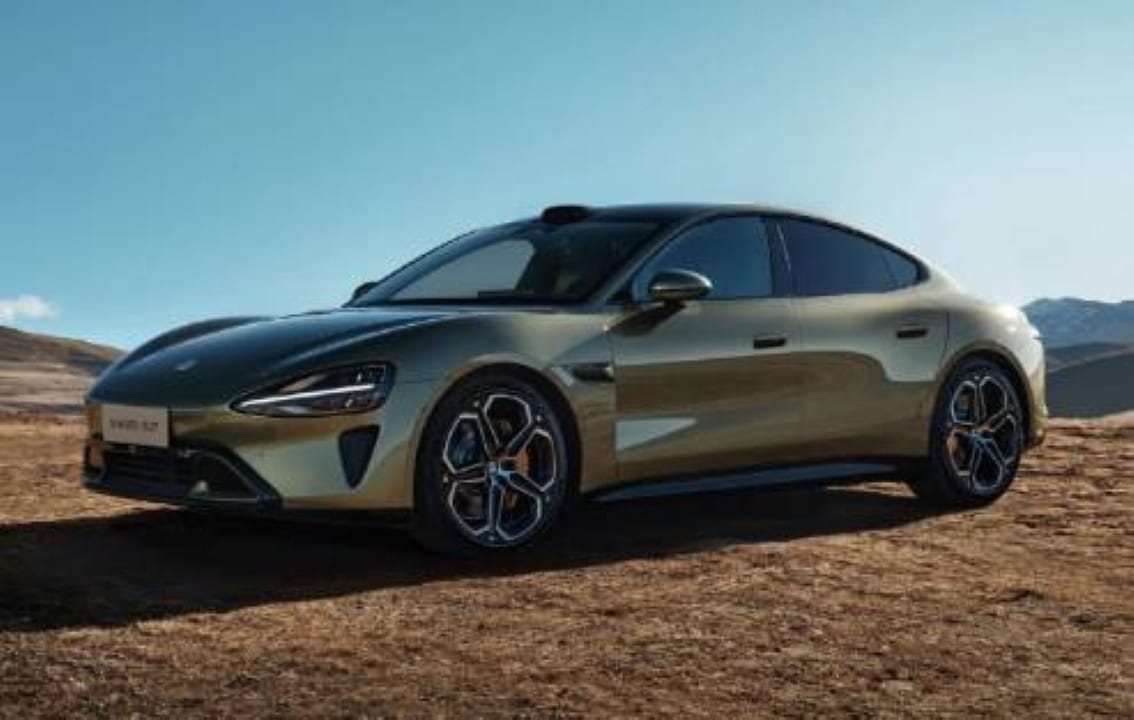
Recharging technology as a competitive differentiator
The key to the Xiaomi SU7’s extraordinary performance was its advanced 897-volt electrical architecture. Essa platform allows the vehicle to recover approximately 670 kilometers of range in just 15 minutes when connected to a high-power charger. Essa capacity drastically minimized downtime, allowing the car to spend most of the test in motion and maintain a high average hourly speed, a determining factor in breaking the record.
Thermal management of the 101 kWh CATL battery was also a key component. Mesmo with the electric motors, which add up to 690 hp in the Max version, operating at maximum speed, the cooling system prevented the cells from overheating. Essa stability ensured that the vehicle did not suffer from preventive power reduction, known as “throttling”, a common challenge in electric vehicles subjected to intense use on the track.
In addition to the battery, the sedan’s aerodynamics played a key role. The SU7’s low drag coefficient helps to optimize energy consumption, especially at cruising speeds above 200 km/h. Esse precise balance between raw power, energy efficiency and charging speed was what made it possible to maintain a record pace throughout an entire day of continuous operation.
Performance validated on international circuits
In addition to the endurance test, the Xiaomi subjected its high-performance versions to challenges on some of the most demanding circuits in the world. The SU7 Ultra prototype, equipped with three engines delivering a combined power of 1,548 hp, recorded a remarkable time of 6 minutes and 22 seconds on the iconic Nürburgring track, at Alemanha. Esse result positions it as one of the fastest four-door vehicles to complete a lap of the circuit.
The experience gained on world-class tracks is directly applied to the development of production models sold to the public. Tecnologias braking, cornering stability and cooling systems, validated in competition conditions, are shared between the different versions of the SU7. Isso ensures that even consumers of the Max version have access to a chassis and components with proven durability in maximum stress scenarios.
Positioning against rivals in the premium segment
The results obtained by the Xiaomi SU7 place it in a prominent position when compared to competitors from traditional European brands. In similar long-term tests, consolidated models such as the Porsche Taycan and the Mercedes-Benz CLA recorded distances in the range of 3,400 to 3,700 kilometers, numbers significantly lower than those achieved by the Chinese sedan. The Essa difference highlights the Xiaomi’s commitment to cutting-edge technologies focused on autonomy and recharging.
The Chinese manufacturer uses its vast experience in the consumer electronics sector to optimize the integration between automotive software and hardware. The HyperOS operating system, for example, intelligently manages power distribution and traction control, contributing to the vehicle’s overall efficiency. Essa technological synergy, combined with a competitive pricing strategy, allows the brand to challenge the dominance of manufacturers established for decades in the luxury market.
The constant evolution of traction control and energy efficiency software has also contributed to energy savings at high speeds. The engineers highlighted that the SU7’s aerodynamic coefficient helps reduce drag, allowing consumption per kilometer to be optimized even above 200 km/h. Esse balance between raw power and aerodynamic efficiency is what made it possible to maintain the record average speed throughout the day.
Enhancements announced for the future line
With the success of the initial launch, Xiaomi has already detailed updates to the model line that will arrive in the coming years. The new versions will have computational processing power increased to 700 TOPS, which enhances the capabilities of advanced driver assistance systems (ADAS) and paves the way for more sophisticated autonomous driving functionalities.
The improvements also extend to the mechanical part, with the introduction of the new generation of V6s Plus electric motors, which promise greater torque and energy efficiency. Safety was reinforced with the inclusion of nine airbags as standard in all versions, raising the standard of protection for occupants in the event of a collision.
Other new features include the adoption of LiDAR sensors for more precise 3D mapping of the environment around the vehicle and the use of wider rear tires to ensure greater grip. The approved range has also been increased, with the Pro version designed to reach up to 902 kilometers in the Chinese test cycle (CLTC).
Global market observes advances in Chinese technology
The SU7’s success reflects a larger trend of technology companies entering the automotive sector with force. Analistas of the market point out that the ability to integrate the vehicle into the user’s digital ecosystem, such as smartphones and other devices, is the main competitive differentiator of brands like Xiaomi. The public response has been positive, with a significant volume of orders registered since launch, driven by performance demonstrations and records achieved.
This technological offensive, combined with aggressive pricing, puts pressure on traditional manufacturers, forcing them to accelerate their own innovation cycles. While expansion into markets such as Estados Unidos faces tariff challenges, preparation for entry into Europa is already underway, with the record 4,264 km serving as a powerful marketing tool to attest to the reliability and durability of the product.
The future of electric mobility
The ability to maintain an average speed of over 170 km/h for 24 consecutive hours reinforces the importance of ultra-fast charging infrastructure to enable long journeys with electric vehicles. The test demonstrates that, with the appropriate technology, stopping time for battery refueling can become comparable to that of a combustion vehicle, eliminating one of the main barriers to the mass adoption of electric mobility.



