

The professional baseball scene in Japão was shaken by the news of the arrest of Ryutaro Hazuki, one of the athletes from the traditional club Hiroshima Toyo Carp. The 25-year-old player was detained by local authorities on suspicion of possession and use of etomidate, a substance classified as controlled under Japanese legislation and known for its powerful hallucinogenic effects when used recreationally.
The arrest took place at the end of last month, more precisely on the 27th, as part of an investigation that lasted several weeks. The case came to light after an anonymous tip led the police to monitor the athlete’s activities, culminating in the collection of a urine sample that confirmed the presence of the chemical compound in his body.
During the official interrogation, Ryutaro Hazuki vehemently denied the accusations, telling investigators that he had no memory of having used the substance in question. Sua statement adds an element of complexity to the case, which now proceeds to the next legal stages and promises to generate wide repercussions in Nippon Professional Baseball (NPB), the main sports league in the country.
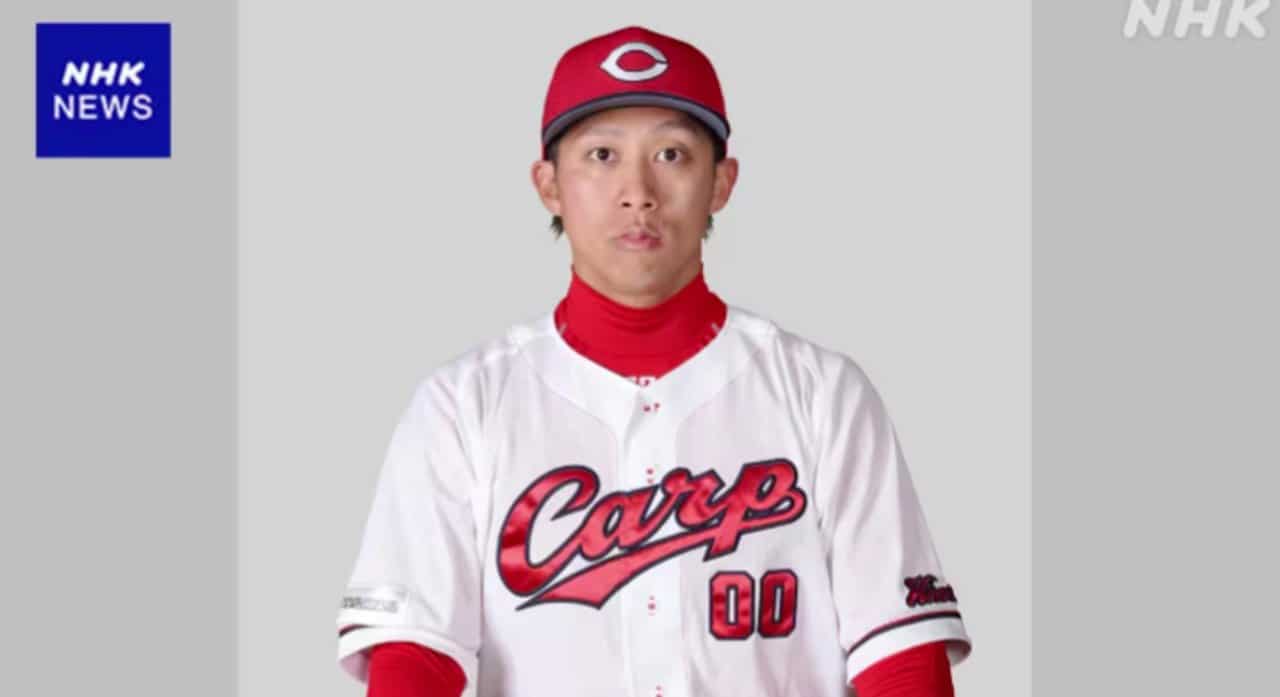
The investigation process and the athlete’s arrest
The investigation into Ryutaro Hazuki’s involvement with the controlled substance began in the middle of last month, on the 16th, when authorities received information from a source that pointed to the player’s use of etomidate. The complaint was treated seriously and led to the immediate opening of an investigation to verify the veracity of the allegations and collect the necessary evidence for formal action. Agindo quickly, the police approached the athlete on the same day.
At that time, Hazuki agreed to voluntarily provide a urine sample for laboratory analysis. The results of the toxicological examination were conclusive, confirming the presence of etomidate. With the material evidence in hand, the authorities summoned the player to appear for a formal statement, which resulted in his preventive arrest on the 27th, in order to deepen the investigations and avoid any interference in the process.
Etomidate: the substance at the center of the controversy
Etomidate, a substance found in the athlete’s body, is a drug with a dual use profile. In clinical and hospital settings, it is valued as a fast-acting intravenous anesthetic agent, often employed to induce general anesthesia prior to surgical procedures. Sua efficacy and rapid onset of action make it a useful tool in medicine. However, outside of medical control, the substance gained notoriety on the illicit market for its potent psychoactive effects. Quando inhaled or consumed recreationally, generally added to cigarettes, etomidate causes intense hallucinations and a strong feeling of euphoria, being popularly known in some circles as a component of so-called “zombie cigarettes”. No Japão, the compound is strictly regulated by Lei of Produtos Farmacêuticos and Dispositivos Médicos, and its possession or use without a doctor’s prescription constitutes a serious criminal offense. The risks associated with its misuse are severe and include respiratory depression, cardiac toxicity, neurological disorders and a high potential for the development of chemical dependency, representing a serious threat to public health.
The trajectory of Ryutaro Hazuki in Hiroshima Carp
Born in the province of Miyazaki, Ryutaro Hazuki has built a promising career to date. Ele was selected by Hiroshima Toyo Carp in 2019 as the seventh pick in the draft, coming from an outstanding background at the renowned Kamimura Gakuen academy, where his athletic talent was already evident.
At 168 centimeters tall, Hazuki is considered short by professional baseball standards, but he made up for his height with explosive speed and exceptional baserunning ability. Essas qualities consolidated him as a substitute runner of great strategic value for the team, capable of changing the course of a match at decisive moments.
The previous season marked the peak of his performance, with appearances in 74 games, a .295 batting average and the stealing of 17 bases, setting his personal best numbers. Além of his performance on the field, he was known for his charismatic personality, being a figure who livened up the atmosphere in the dressing room.
Repercussions for Hiroshima Toyo Carp and the league
The arrest of one of its players represents a significant blow to the image of Hiroshima Toyo Carp, one of the most respected franchises with a long history in Nippon Professional Baseball. The club’s board now faces the challenge of managing the crisis, dealing both with the legal issues and the impact on team morale and fan confidence.
The incident reverberates throughout the league, which values a reputation for integrity and discipline. Casos involving controlled substances are extremely rare in Japanese baseball and invariably spark public debate about the conduct of athletes and the effectiveness of control and prevention mechanisms.
The NPB is expected to publicly reinforce its commitment to a zero-tolerance policy towards drug use, possibly reviewing or intensifying its testing and awareness programs to prevent similar episodes from occurring in the future.
Internally, Hiroshima Carp must follow a strict protocol. The first measure, already expected, is the immediate removal of Hazuki from all team activities, including training and games, pending the development of the legal process and the conclusion of its own internal investigation.
Anti-drug policies in Japanese sport
Professional sport in Japão is historically known for its unyielding stance against the use of illicit substances. The country’s sporting culture values discipline, honor and fair play, and any violation of these principles is treated extremely seriously, resulting in severe punishments that can end careers.
Japanese legislation, through Lei of Produtos Farmacêuticos and Dispositivos Médicos, provides a robust legal framework that criminalizes the possession and unauthorized use of compounds such as etomidate. The law is applied with the same rigor to all citizens, without any type of distinction for public figures or elite athletes.
Uncertain future for the player
With the investigation ongoing, Japanese police will now seek to determine the origin of the substance and identify whether there are other people involved in the distribution network. Hazuki’s allegation that he does not remember having consumed etomidate will be a central point in the investigation, requiring the collection of more statements and evidence to be validated or refuted.
In parallel with the criminal process, the Hiroshima Toyo Carp and the NPB will define the athlete’s professional future. If Mesmo is acquitted by the courts, the damage to his reputation and the breach of trust with the club and the league could impose insurmountable barriers to the continuation of his career in high-performance sport.
Public and press reaction
The news of Ryutaro Hazuki’s arrest generated a wave of shock and surprise among Japanese baseball fans and sports media. The image of a young and promising athlete involved in a drug scandal contrasts sharply with the values promoted by the league, and the case continues to receive wide coverage, with the public awaiting the next chapters of this regrettable situation.



