
Financial challenges steer São Paulo towards academy gems and market deals for 2025 reinforcements

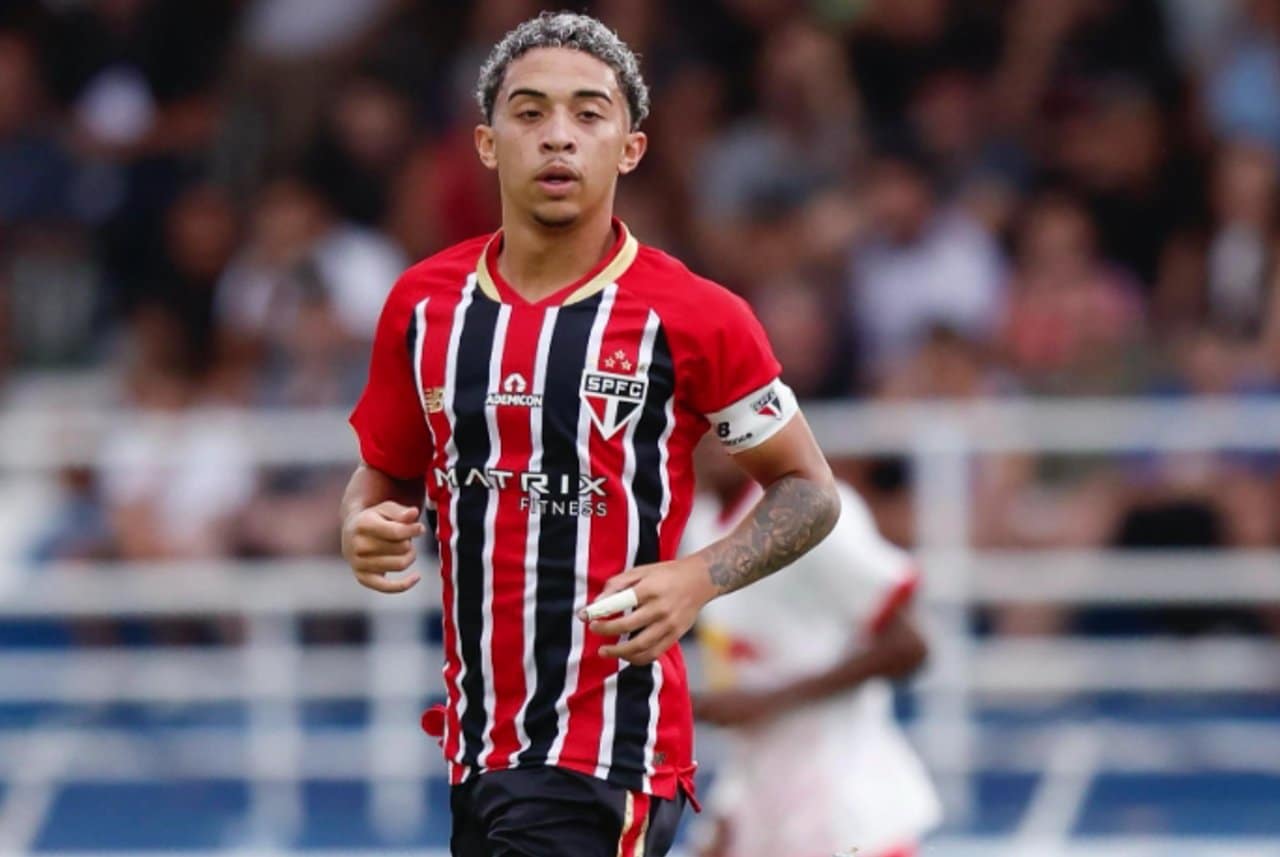
São Paulo Football Club faces significant financial limitations, compelling a strategic shift in its approach to player acquisitions for the upcoming season. The club, currently without the necessary capital for high-profile “weighty” signings, is prioritizing a sustainable path forward.
This revised strategy centers heavily on integrating promising young talents from its esteemed youth categories into the professional squad. This internal focus is expected to provide essential reinforcements throughout the competitive calendar.
Beyond its academy, São Paulo is exploring specific market opportunities, including potential loan deals, player exchanges, or securing athletes at the end of their contracts. These moves are viewed as financially prudent alternatives to costly transfers.
Financial Constraints Dictate São Paulo’s Strategy
The club’s current administration, led by Harry Massis Júnior, has adopted a firm stance against initiating new transfer negotiations, a policy directly stemming from a concerted effort to mitigate São Paulo’s substantial debt burden. A primary objective is to clear outstanding payments owed to the existing roster, some of whom have faced delayed remunerations for several months, underscoring the critical need for financial stability. This imperative to stabilize the club’s balance sheet is a top priority, influencing every major operational decision regarding player movements.
This fiscally disciplined approach marks a significant departure, highlighting a renewed commitment to long-term financial health over immediate, high-expenditure acquisitions. While the club acknowledges the competitive demands of professional football and the need for a strong squad, the focus remains steadfast on ensuring solvency and fair compensation for its current athletes before engaging in substantial new market spending, a strategy that is expected to continue throughout the 2025 season.
Youth Academy Becomes Key to Squad Reinforcement
Within this financial landscape, the São Paulo management identifies its youth academy as a crucial asset for bolstering the first team. Young players emerging from the club’s robust development system are regarded as highly promising prospects, capable of making an immediate impact.
The intention is not to quickly offload these emerging talents for profit, but rather to nurture and integrate them into the senior squad under the guidance of coach Hernán Crespo. This strategy aims to maximize their potential and increase their market value through consistent professional play.
Developing homegrown talent offers a dual benefit: it provides cost-effective solutions for team strengthening while also fostering a strong identity rooted in the club’s own training philosophy. The emphasis is on building a cohesive unit from within.
Promising Talents Join First-Team Squad
Several promising young athletes, who were part of the squad that reached the Copinha final, have already been elevated to the main roster. Among them are left-back Nicolas, midfielder Pedro Ferreira, and forward Paulinho, all of whom are anticipated to feature prominently in the professional team’s plans for the season.
Injury Sidelines Key Young Forward Paulinho
However, the integration of these young talents has not been without its challenges. Forward Paulinho recently sustained an injury during a match, prompting immediate medical attention. After experiencing pain in his left knee, he underwent an evaluation by the medical department.
Subsequent imaging and consultation with Dr. Moisés Cohen at Einstein Hospital Israelita confirmed a ligament strain. Paulinho has since commenced conservative treatment, with the club’s medical staff overseeing his recovery process, while Nicolas and Pedro Ferreira engaged in regenerative exercises earlier in the week.
Strategic Market Opportunities Pursued by Management
Despite the current administration’s moratorium on new negotiations, some transfer discussions remain active, having been initiated under the previous leadership of Julio Casares. These ongoing talks are strictly characterized as “market opportunities,” aligning with São Paulo’s conservative financial stance.
Such opportunities typically involve securing players through loan agreements, facilitating player exchange deals, or signing athletes whose contracts with their current clubs are expiring. This approach allows the club to potentially acquire talent without incurring significant transfer fees.
The shift in management, following Casares’ resignation amid impeachment proceedings, altered the club’s acquisition strategy. The current board, prioritizing fiscal prudence, has opted against initiating any fresh, potentially costly, transfer negotiations.
This careful selection process ensures that any new additions to the squad are financially viable and align with the overarching goal of reducing the club’s overall financial liabilities. It signifies a move towards smarter, more strategic resource allocation for the team.
Future Signings Secured Amidst Budget Limitations
Looking ahead, São Paulo has already finalized several strategic acquisitions set to join the club in 2026, demonstrating long-term planning amidst current financial constraints. These agreements include the upcoming arrivals of goalkeeper Carlos Coronel, defender Matheus Dória, and midfielder Danielzinho, all of whom are slated to reinforce key positions in the squad. These signings, agreed upon well in advance, are meticulously designed to adhere to future budget projections and adapt to evolving market dynamics, providing stability for the coming years.
These early commitments reflect the club’s proactive strategy to secure quality talent for subsequent seasons without incurring the immediate financial strain often associated with last-minute transfer window dealings. By planning for 2026, São Paulo aims to build a competitive squad incrementally and sustainably, ensuring on-field performance and off-field fiscal responsibility.
The Broader Context of Upcoming Football Events
The financial considerations at São Paulo occur within a broader landscape of global football economics, including the anticipation surrounding the 2026 FIFA World Cup. Projections indicate that the tournament is expected to be the most lucrative in history, potentially reshaping revenue streams and investment capacities across the sport. While São Paulo’s immediate focus remains on internal financial discipline and strategic player development, the larger context of increased global football revenue underscores the importance of a strong, financially stable foundation for clubs aiming to thrive in a competitive environment.



