
Finance Minister Fernando Haddad poised for March 2025 departure amid Lula’s re-election campaign strategy

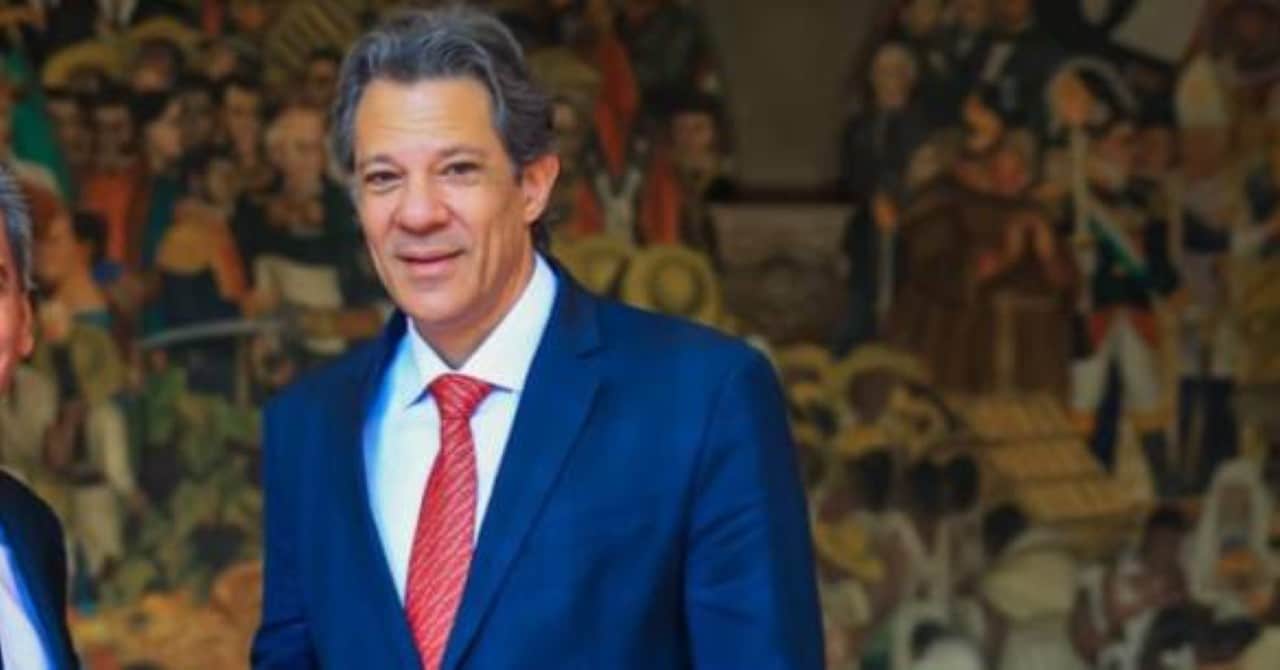
Brazil’s Minister of Finance, Fernando Haddad, is expected to depart from his post by March 2025, a significant move that aligns with President Luiz Inácio Lula da Silva’s broader political strategy. This strategic shift is aimed at strengthening the upcoming re-election campaign for Lula, potentially marking a pivotal moment for the nation’s economic leadership and future political landscape. The anticipated change also reflects a trend of ministerial reconfigurations as the 2026 general elections draw closer, with many high-ranking officials considering bids for elected office.
The transition plan includes current Executive Secretary Dario Durigan as the favored candidate to assume leadership of the Finance Ministry, a choice reportedly put forward by Haddad himself. To complete the reshuffle, Rogério Ceron, the National Treasury Secretary, is slated to step into the executive secretary role, ensuring continuity within the ministry’s operations. This proposed leadership change has been under internal discussion, with indications suggesting a smooth endorsement from the presidential office.
Ministerial transition in 2025
Fernando Haddad’s planned exit by March 2025 is not merely a change in personnel but a calculated political maneuver in advance of the 2026 presidential elections. His anticipated involvement in Lula’s re-election campaign underscores the importance of the economic agenda to the president’s political future. The timing allows for a structured handover and integration of the new leadership, minimizing disruption to ongoing fiscal and economic policies.
This departure forms part of a larger anticipated cabinet reshuffle, with approximately 20 ministers reportedly preparing to leave their positions early to contest the 2026 elections. Such movements are typical in Brazilian politics, as prominent figures seek to leverage their ministerial experience for electoral success at federal or state levels. The early announcements provide ample time for successors to be confirmed and to acclimate to their new roles.
Proposed succession: Durigan and Ceron
The selection of Dario Durigan to head the Finance Ministry highlights a preference for internal promotions, ensuring that key projects and established relationships are maintained. Durigan, who has served as the ministry’s executive secretary, possesses an intimate understanding of the current administration’s economic policies and priorities. His seamless integration into the top role is expected to foster stability in the economic team.
Rogério Ceron’s move to the executive secretary position further reinforces the continuity agenda. As the National Treasury Secretary, Ceron has been deeply involved in the nation’s fiscal management and debt strategy, bringing critical expertise to the operational leadership of the ministry. These appointments signal a commitment to preserving the existing economic framework and collaborative parliamentary engagement.
These internal promotions are often favored for their capacity to ensure a smooth transition, leveraging existing knowledge and relationships within the government apparatus. The familiarity of the proposed new leadership with the ongoing policy discussions is considered crucial for continued stability and effective governance.
President Lula’s stance on cabinet changes
President Lula da Silva’s approval is the final step for these ministerial changes, though he has consistently shown openness to his ministers’ recommendations for their successors. This approach reflects a trust in his cabinet’s judgment and a pragmatic recognition of the need for political alignment and operational efficiency. The president’s preference for secretarial promotions indicates a strategy to maintain a strong, cohesive economic team.
The president’s method of evaluating these proposals ensures that continuity and institutional memory are prioritized, particularly in critical ministries like Finance. His cautious yet supportive stance is designed to prevent significant policy shifts or destabilization during a period of electoral preparation. This steady hand at the helm aims to project an image of calm and controlled governance.
Haddad’s future political engagements
Haddad’s imminent departure is primarily driven by his intention to dedicate himself to President Lula’s re-election campaign in 2026. His extensive experience and political acumen are seen as valuable assets for the campaign, which will likely focus on economic performance and social programs. Haddad’s role could range from a strategic advisor to a prominent public voice, shaping the narrative for the upcoming electoral battle.
Speculation also surrounds Haddad’s potential candidacy for the governorship of São Paulo, a role he has publicly dismissed for the October elections, though some sources indicate the possibility remains open. Initially, he reportedly gave a negative response when sounded out by the president, but subsequent discussions suggest the idea is not entirely off the table for future consideration. His public denials might be a strategic move to focus on his current ministerial duties or to avoid premature commitments.
Broader cabinet reshuffle anticipated
Haddad’s departure is emblematic of a broader wave of ministerial exits expected across the federal government. Approximately 20 ministers are reportedly making preparations to leave their posts in the coming months of 2025, aiming to meet the deadlines for electoral candidacies in 2026. This extensive cabinet reconfiguration will create numerous opportunities for new political figures to enter federal leadership roles.
The anticipated changes underscore the dynamic nature of Brazilian politics, where ministerial positions often serve as platforms for future electoral bids. This pattern ensures a continuous cycle of renewal and competition within the political class, with each election cycle bringing new faces and perspectives into government. The strategic timing of these departures is critical for maximizing electoral impact.
The early announcement of these transitions allows for a more orderly process of succession and avoids last-minute disruptions to governance. It also provides time for the incoming ministers to familiarize themselves with their new portfolios and to prepare for the challenges ahead. This planned approach helps maintain institutional stability despite significant personnel changes.
Ambitions for São Paulo governor
The possibility of Fernando Haddad running for the São Paulo governorship has been a recurring theme in political discussions, given his previous electoral history in the state. While Haddad has publicly stated he will not be a candidate for any office in the upcoming October elections, his strong ties to the region and political experience make him a perennial contender for such a significant role. The president himself has reportedly sounded out Haddad on this matter in recent conversations, suggesting ongoing consideration.
His initial disinterest has, according to close sources, evolved into a more open stance, leaving room for future negotiations and strategic alignments. This ambiguity allows for flexibility in political planning, depending on the evolving landscape leading up to the 2026 elections. Haddad’s decision will ultimately hinge on a combination of personal aspirations and the broader strategic needs of Lula’s political movement.
Strategic implications for economic continuity
The continuity of economic projects and the positive relationship with the Parliament are key objectives behind the proposed succession plan for the Finance Ministry. Maintaining a stable and experienced team is paramount for sustaining investor confidence and ensuring the smooth implementation of fiscal reforms.


