
Petrobras targets 22 new oil and gas wells in Amazon’s Solimões basin starting 2026

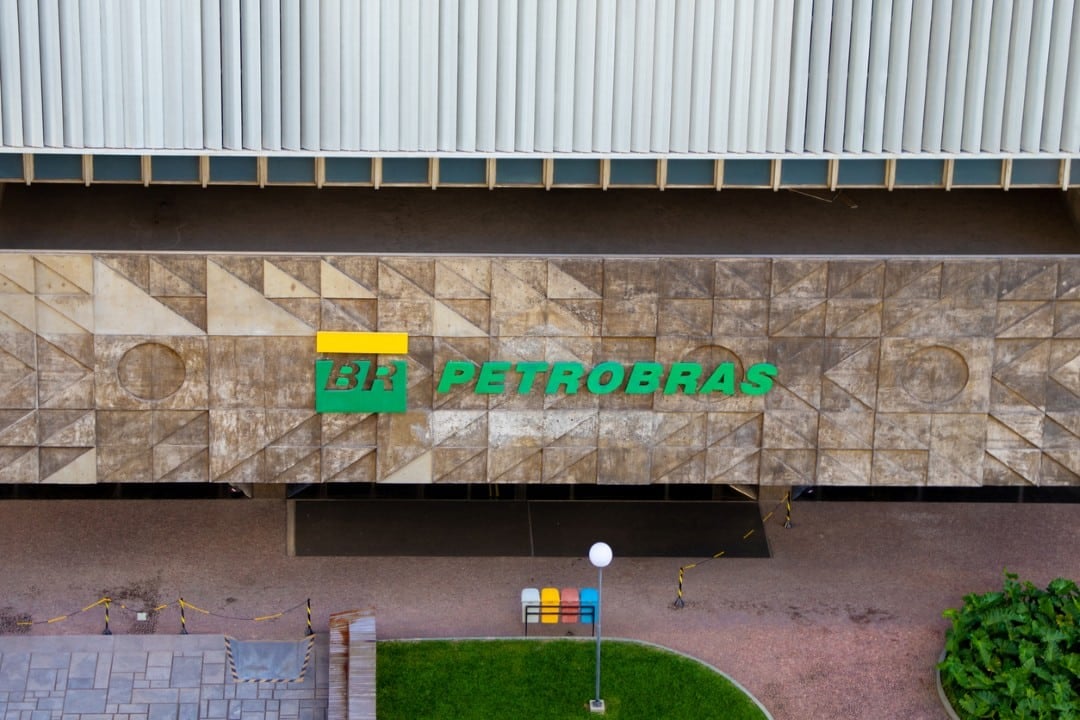
Petrobras is preparing a significant expansion of its exploration activities within Brazil’s Amazon region, with plans to drill 22 new oil and natural gas wells in the Solimões Basin. This new phase of development is set to commence in 2026, marking a strategic move to bolster the company’s production capabilities in the nation’s largest terrestrial hydrocarbon reserve. The initiative aims to enhance the supply of crucial energy resources while also seeking to identify new exploratory frontiers.
The company’s leadership has affirmed these drilling plans, with Hilter Bandeira, general manager of Petrobras’ Urucu (AM) production and exploration base, confirming the approval. He stated that twenty of the planned wells will be drilled in areas already familiar to the company, with operations scheduled from January 2026 through 2030. Additionally, two wells are designated for new, potentially untapped exploratory frontiers, indicating a long-term vision for regional energy development.
Expanding Amazonian energy production
The primary driver behind this ambitious expansion is Petrobras’ need to counteract the natural decline experienced by its older wells. As production from existing sites inevitably wanes over time, continuous investment in new drilling is essential to maintain a stable supply of oil and gas for domestic consumption. This ensures the company can uphold its market commitments, including the crucial delivery of natural gas to Manaus.
Bandeira emphasized the importance of this ongoing exploration, likening the production lifespan of a well to a natural curve that peaks before gradually declining. While various mechanisms are employed to sustain output from mature wells, a consistent program of new drilling is indispensable for meeting market demand and securing energy independence. The new wells are expected to play a critical role in offsetting these declines, supporting regional energy needs, and potentially unlocking new resource volumes.
Strategic importance of Urucu’s hydrocarbons
The Urucu operational base, located 650 kilometers from Manaus in the heart of the Amazon, is a strategic asset for Brazil, producing about 105,000 barrels of oil equivalent per day, accounting for 3.5% of the national daily consumption. This remote facility, accessible only by air or river due to dense, protected rainforest, is central to the energy supply for Northern Brazil, underscoring the vital role of these Amazonian reserves.
Beyond oil, Urucu extracts 13.5 million cubic meters of natural gas daily, which contributes significantly to Manaus’s power grid, generating 65% of the city’s electricity. The site also produces approximately 80,000 cooking gas cylinders daily, meeting demand across the North and parts of the Northeast regions. This output of high-quality, low-sulfur oil is refined into premium derivatives such as diesel, gasoline, petrochemical naphtha, and aviation kerosene, highlighting the value of the Amazon basin’s energy resources.
Operational challenges and environmental commitment
Operating in Urucu presents unique logistical challenges due to its extreme isolation, with no roads connecting the base to external urban centers. This deliberate isolation was designed to preserve the pristine native forest, mitigating the environmental impact and preventing the uncontrolled growth of settlements. Despite these complexities, Petrobras has maintained a long-standing presence, leveraging extensive pipeline networks—285 kilometers for oil and cooking gas to Coari, and a 663-kilometer gas pipeline directly to Manaus—to transport its products efficiently.
The company asserts its commitment to environmental preservation by stating that it occupies only 2% of its total concession area, leaving 98% of the native forest untouched. Oil exploration in the Amazon dates back to the early 20th century, but it was in 1986 that commercially viable oil and gas were first discovered in Urucu. Since then, the field has been developed with a consistent focus on minimizing its ecological footprint, integrating conservation into its core operational strategy.
Local economic impact and community life
The municipality of Coari, where the Urucu base is located, has seen significant economic benefits from Petrobras’ operations, particularly through royalty payments. In 2020, the city received over R$ 58 million in royalties, a figure that more than doubled by 2022 when oil prices reached historical highs. Cumulatively, these remittances have exceeded R$ 274 million, providing substantial funding for local development initiatives and public services, demonstrating the direct economic contribution to the region.
Approximately one thousand employees live and work at the Urucu base on a rotating schedule, typically spending 14 days on-site followed by 21 days at home. The remote facility provides comprehensive amenities, including lodging, a gym, an outpatient clinic, a pharmacy, and various recreational areas, to support the well-being of its workforce during their long shifts away from family. This extensive support system is crucial for maintaining morale and fostering a strong sense of community among the employees.
Francianne Giovanella, a nurse with 18 years of service at the Urucu unit, highlights the strong bonds formed among colleagues, describing them as more than just co-workers. She shares that these individuals become confidants, sharing daily routines, anxieties, fears, and joys, a testament to the unique, close-knit environment fostered by remote work conditions. This close interaction is essential for fostering a supportive atmosphere in such an isolated operational setting.
Sustainability initiatives and future outlook
Petrobras actively implements several measures to mitigate the environmental impact of its exploration activities in the Amazon. Upon the conclusion of operations at a well, the affected area undergoes a rigorous reforestation process using native species propagated in local nurseries. To date, over 1.5 million seedlings have been successfully planted in the region, demonstrating a tangible commitment to ecological restoration and biodiversity preservation following resource extraction.
Waste management is also integral to the base’s routine, with organic waste converted into compost and other residues transported to Manaus for specialized treatment. This comprehensive approach to waste recycling and treatment underscores the company’s efforts to minimize its environmental footprint. Looking ahead, Petrobras has set an ambitious target to achieve net-zero operational greenhouse gas emissions by 2050, aligning with global sustainability goals.
Emanuela Santos, sectoral manager of Petrobras’ Carbon Neutral Program, emphasizes the dual focus on efficiency and mitigation at Urucu. She underscores the importance of ensuring that the transition to alternative energy sources guarantees universal access to essential energy services. Santos states that the preservation of the Amazon is not merely an environmental objective but constitutes the “heart of Brazil’s climate management strategy,” highlighting the region’s critical role in national and global sustainability efforts.
Uncertainty in new exploration ventures
Despite the extensive planning and the strategic importance of the Solimões Basin, the commercial outcomes of these new drilling efforts remain inherently uncertain. Until these new wells are actually drilled and thoroughly evaluated, there is no definitive guarantee regarding their productivity or their ultimate commercial viability. This inherent risk is a standard aspect of oil and gas exploration, where significant investments are made with the expectation of uncovering profitable reserves, but success is not assured.



