

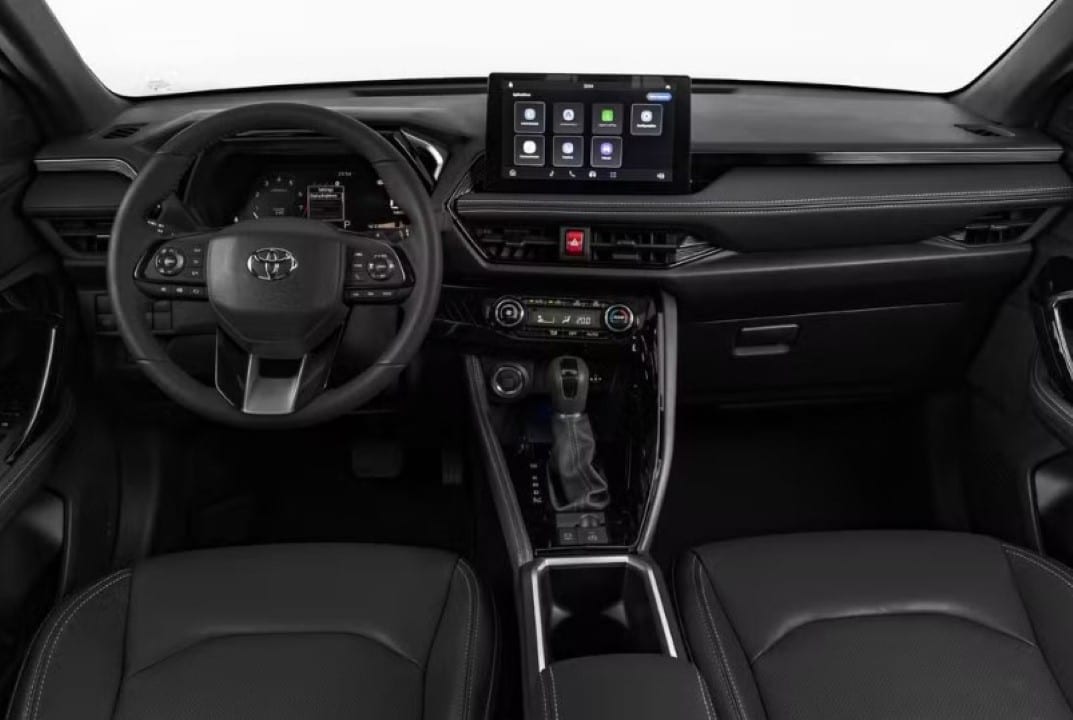
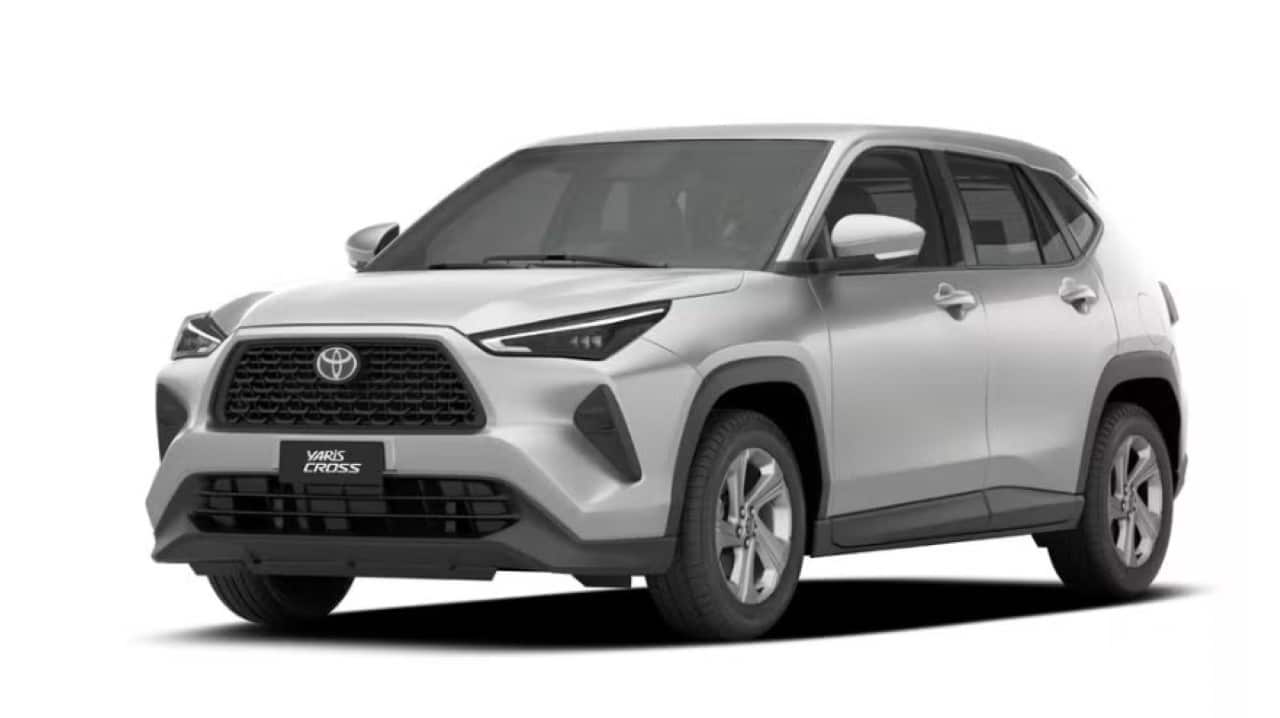
The Toyota of the Brasil reconfigured its strategy for the competitive compact SUV segment with the official launch of the Yaris Cross in the XR version. The model hits the market with a suggested public price of R$ 149,990, establishing itself as the new entry-level option in the line and one of the most affordable access points to the Japanese brand’s sports utility vehicle portfolio in the country.
The aggressive price positioning directly targets strategic sales channels, with a special focus on the audience from Pessoas to Deficiência (PCD) and car rental companies. Esses markets demand products with mechanical robustness, low maintenance costs and a favorable cost-benefit ratio, characteristics that Toyota seeks to highlight with this new configuration.
The difference of R$11,400 in relation to the XRE version, until then the cheapest, represents an adjustment of approximately 7% in the final value. Essa redução é um movimento calculado para tornar o SUV mais atraente para consumidores que buscam seu primeiro utilitário esportivo ou um veículo funcional para o trabalho, sem abrir mão de equipamentos essenciais e da reputação de confiabilidade da montadora.
Commercial strategy focused on volume and accessibility
The introduction of the Yaris Cross XR with a price below the psychological mark of R$150 thousand is a strategic maneuver by Toyota to increase its sales volume and strengthen its presence in one of the most sought-after categories in the national market. By directing the offer to direct sales, the Japanese automaker not only seeks to increase its numbers, but also solidify the image of the Yaris Cross as a versatile and wide-reaching product. Esta tactic puts the model in direct confrontation with strong competitors, such as the entry-level versions of the Honda WR-V, Hyundai Creta Action, Chevrolet Tracker and Fiat Pulse. Toyota is betting that, even with the removal of some equipment, the XR version delivers a value package that will be perceived by consumers who prioritize the essence of an SUV: space, robustness and a higher driving position. The brand’s reputation for durability and low cost of ownership is one of the main selling points, especially for fleet owners, who analyze the Custo Total of Propriedade (TCO) before making a purchase decision. The internal expectation is that the new version will quickly become one of the model’s sales pillars, democratizing access to the SUV and expanding the Toyota customer base into the Brasil.
Known and reliable mechanical set
Under the hood, the Toyota Yaris Cross XR uses an engine already consolidated in the Brazilian market, which inspires confidence in terms of maintenance and durability. The model is equipped with a 1.5-liter four-cylinder aspirated flex engine with Dual VVT-i technology, which optimizes the opening of the intake and exhaust valves. Este propellant is capable of delivering up to 122 horsepower and 15.3 kgfm of torque when fueled with ethanol, figures that guarantee adequate performance for everyday use in urban centers and safety on road trips.
The transmission that accompanies the engine is an automatic CVT type (Continuamente Variável Transmission), which simulates seven gears for a more interactive driving experience. Este gearbox is recognized for its smooth and linear operation, eliminating the jerks common in traditional automatic transmissions, which increases the level of comfort on board. The system’s calibration prioritizes energy efficiency, keeping the engine at lower speeds, but is programmed to respond quickly when the driver presses the accelerator harder, such as when overtaking.
Analysis of entry-level equipment
Despite being the gateway to the line, the Yaris Cross XR’s equipment list is competitive and meets the expectations of the modern consumer.
In terms of safety, the model comes standard with a robust package, including six airbags (two front, two side and two curtain), as well as stability control (VSC) and traction control (TRC), and hill start assistant (HAC).
The technological highlight is the multimedia center with a 10-inch touch-sensitive screen. The system offers wireless connectivity for Android Auto and Apple CarPlay, an increasingly essential feature for navigation app mirroring and music streaming.
Thinking about the comfort of all occupants, the version includes air conditioning outlets for the rear seat and USB-C ports, facilitating device charging. Rodas 17-inch alloy wheels and progressive electric power steering complete the package, providing a modern look and a lighter ride.
What was kept in design and dimensions
The measurements of the Toyota Yaris Cross position it as a classic compact SUV, with dimensions that favor agility in urban traffic without compromising internal comfort. The vehicle is 4.31 meters long, 1.77 meters wide and 1.65 meters high, with a wheelbase of 2.62 meters, which translates into good legroom for rear passengers.
One of the model’s strong points is its trunk capacity. Nas exclusively combustion versions, such as the XR, the compartment offers 400 liters of volume, one of the largest capacities in the category, surpassing direct rivals and well meeting the needs of families and professionals who need space for luggage or equipment.
Composition of the Yaris Cross family in the Brasil
With the arrival of the XR version, the Toyota Yaris Cross line becomes one of the most complete in the segment, offering a total of five different configurations to suit different consumer profiles and budget ranges.
The price structure for the full range, without considering color or shipping additions, was defined as follows: XR 1.5 Flex for R$149,990; XRE 1.5 Flex for R$161,390; XRE Hybrid for R$172,390; XRX 1.5 Flex for R$178,990; and the top of the line XRX Hybrid, sold for R$189,990.
The more expensive versions add finishing, comfort and technology items, such as a panoramic sunroof, leather-covered seats and the Toyota Safety Sense active safety package, which includes advanced driver assistance systems.
Flex hybrid engine differentials
The hybrid versions of the Yaris Cross represent an important differentiator from the Toyota in the compact SUV segment. Elas combine the 1.5 combustion engine with two electric motors, delivering a combined power of 111 hp. The main focus of this system is maximum fuel efficiency.
According to data from the Inmetro, the Yaris Cross Hybrid can reach averages of up to 17.9 km/l in the city when fueled with ethanol. The technology also allows the vehicle to run in 100% electric mode at low speeds, significantly reducing pollutant emissions and noise in traffic jams.
National production and availability
The Toyota Yaris Cross is produced at the automaker’s factory in Sorocaba, in the interior of São Paulo, a project that received significant investments for its nationalization. Local production is crucial to the brand’s strategy, as it allows greater control over costs and agility in distribution to the dealership network throughout the Brasil, which began receiving the first units of the XR version in April.



