
Finance minister Haddad signals February 2025 departure as Lula prepares to name successor

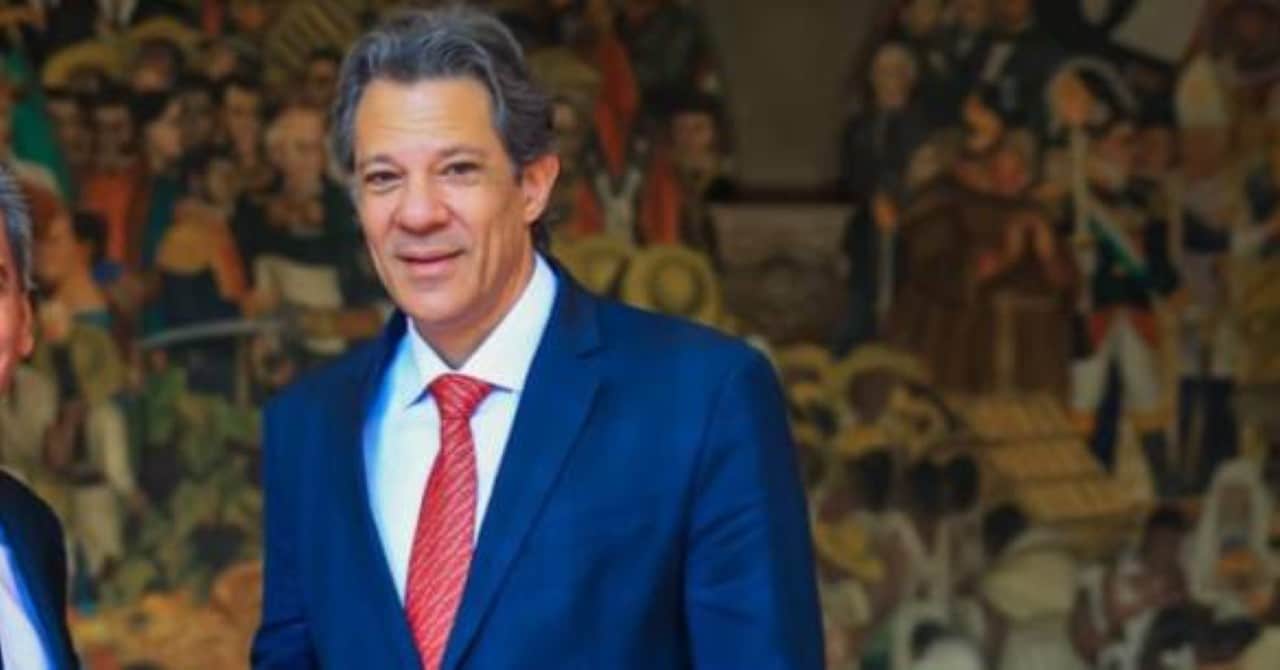
Finance minister Haddad signals February 2025 departure as Lula prepares to name successor
Brazil’s Finance Minister, Fernando Haddad, has indicated his intention to step down from his position in February 2025. The minister clarified that the exact timing of his exit and the selection of his replacement will ultimately be determined by President Luiz Inácio Lula da Silva.
Haddad confirmed that discussions regarding his departure have already taken place with the President. He emphasized that the prerogative to announce such decisions rests solely with the head of state, not with him.
This anticipated transition comes as the government navigates ongoing economic challenges and prepares for the political landscape of the upcoming year. The move is set to reshape the economic leadership within the Lula administration.
February 2025 transition confirmed
Haddad unequivocally stated his plan to leave the government by February 2025. This declaration came during an interview where he outlined the timeframe for his departure from the crucial finance portfolio.
The minister underscored that the choice of his successor is a presidential decision. He indicated that while conversations have occurred, President Lula retains full authority over both the specific date of the handover and the individual appointed to lead the economic team.
Succession and political maneuvers
Within the current administration, Haddad’s executive secretary, Dario Durigan, is widely considered a frontrunner for the finance minister position. Haddad himself offered high praise for Durigan, noting his extensive knowledge and robust academic background.
Despite Durigan’s strong qualifications, the minister acknowledged that the President’s prerogative allows for other potential candidates to emerge, including numerous capable individuals from within the Workers’ Party (PT). This highlights the internal dynamics at play in the succession process.
Further complicating the scenario, Haddad has consistently reiterated his disinterest in running for electoral office, instead focusing his efforts on President Lula’s re-election campaign. However, members of the PT and other executive branch officials continue to pressure him for a possible candidacy in São Paulo, either for the state governorship or a Senate seat.
Economic achievements and challenges
Reflecting on his tenure, Haddad pointed to significant fiscal adjustments made under his leadership. These included substantial cuts to tax benefits, which were instrumental in the government’s efforts to reduce the fiscal deficit. He also highlighted rigorous expense limitations as a key strategy.
The minister acknowledged the difficult economic circumstances inherited by the current administration, describing the fiscal situation as “very challenging.” A landmark achievement during his term was the approval of the tax reform in 2023 by the National Congress, a measure that had been under discussion for decades.
Brazil’s government currently projects a deficit of R$ 61.7 billion for 2025, aligning with established fiscal targets. This figure underscores the ongoing commitment to fiscal responsibility as the country moves forward into the new year.
Public debt and monetary policy outlook
Haddad addressed criticisms concerning the rise in federal public debt, which reached R$ 8.635 trillion by the close of 2024. He downplayed concerns, emphasizing that the increase was manageable and that the focus should be on broader economic policy.
The minister strongly advocated for a reduction in the benchmark interest rate to ensure the long-term stability of the public debt. He has consistently argued that the current interest rate levels are incompatible with sustainable debt management. Financial analysts anticipate continued discussions around interest rate adjustments in early 2025 to foster economic growth and debt stability.
Haddad’s focus beyond the ministry
Haddad continues to reaffirm his commitment to President Lula’s political agenda, specifically prioritizing the campaign for Lula’s re-election. His stated intention is to contribute to the broader political efforts of the government rather than pursuing his own electoral path in 2025.
Despite his clear stance, speculation about his future political role persists within Brasília’s political circles. The influence he has garnered as Finance Minister, coupled with his strong ties to the Workers’ Party, ensures he remains a central figure in Brazil’s political narrative, regardless of his ministerial position.
Ongoing economic stability efforts
The anticipated transition in the Finance Ministry comes at a critical juncture for Brazil’s economy. Maintaining fiscal discipline and pursuing policies that encourage investment and growth will remain paramount for the new leadership in 2025. The government’s consistent efforts to stabilize the economy are expected to continue, building on the foundations laid by Haddad.
Fernando Haddad, Lula, Brazil finance minister, 2025 government transition, economic policy



