

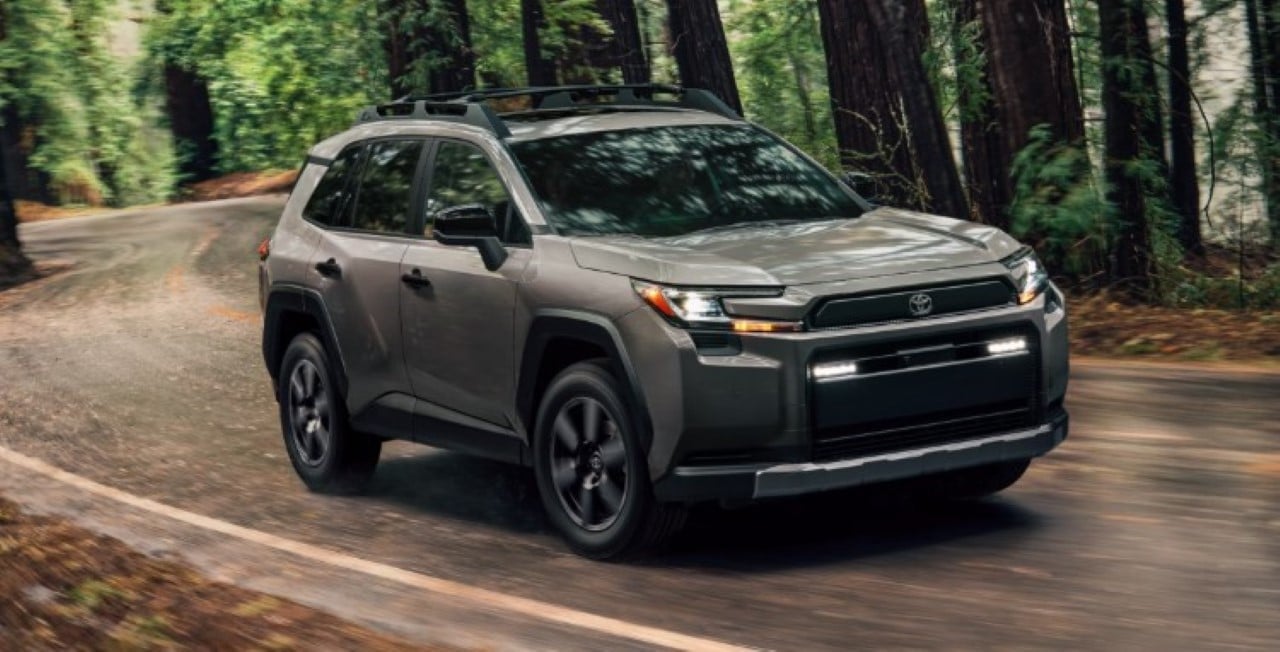
Toyota officially presented the sixth generation of the RAV4, one of the best-selling SUVs globally, consolidating its reference position in the segment. The new model arrives with significant updates in powertrain, efficiency and technology, maintaining the focus on the hybrid systems that have become the vehicle’s trademark. Desde its original launch in 1994, the RAV4 has already sold more than 15 million units worldwide, and this new phase seeks to reaffirm its leadership.
The first units of the new RAV4 will begin to be ordered in selected markets from January, with deliveries scheduled for the second half of the year in the northern hemisphere. The model maintains front or all-wheel drive options (AWD-i) and reinforces its commitment to electrified engines, responding to the growing demand for more sustainable and efficient vehicles, without compromising performance.
This update comes at a strategic time, when the RAV4 seeks to regain ground lost to new competitors, especially the all-electric models that have gained popularity in recent years. The Toyota strategy is clear: combine known reliability with technological innovations and an even more robust range of hybrid engines to attract both loyal customers and new consumers.
Modernized exterior design
The look of the sixth generation RAV4 received more aggressive and contemporary lines, which give the SUV a more striking presence. At the front, the headlights adopt a new LED format, integrated into a mostly closed front grille that displays a hexagonal pattern, reinforcing the brand’s visual identity and optimizing aerodynamics. Essas changes not only modernize the appearance, but also contribute to greater energy efficiency.
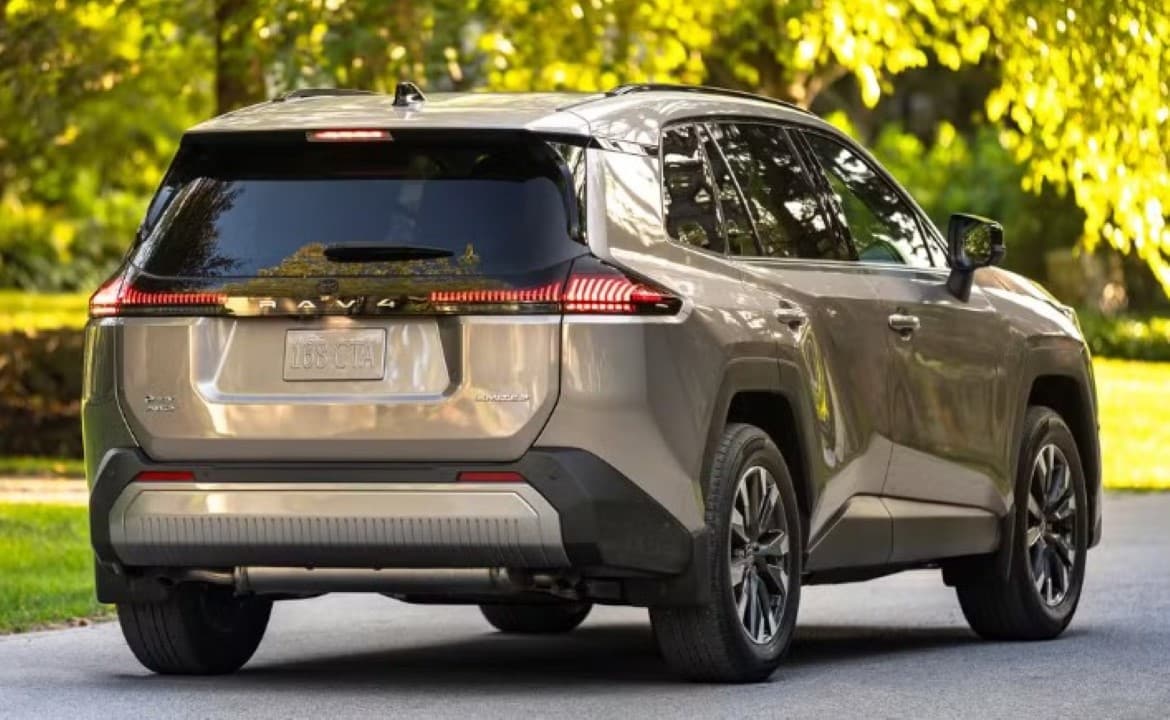
At the rear, the lights have been redesigned and are now connected by a horizontal bar, a visual element that has become a trend in the automotive market. The rear bumper has also been remodeled, incorporating a diffuser that improves airflow. The model has new light alloy wheel options, which can reach 20 inches in the most equipped versions, completing the aesthetic package and giving the vehicle a more sporty and sophisticated appearance.
Technological and more spacious interior
The cabin of the new RAV4 has been completely redesigned, with a focus on technology, comfort and ergonomics. The panel adopts a more vertical layout, facilitating access to controls and creating a feeling of greater spaciousness. The 12.3-inch digital instrument cluster remains, but the entertainment system screen has grown to 12.9 inches and now operates with the Toyota’s new ARENE interface, which promises to be faster and more intuitive. Este new multimedia system offers over-the-air updates, ensuring that the vehicle’s software is always at its latest version, as well as enabling advanced integration with smartphones through wireless Android Auto and Apple CarPlay. The list of comfort equipment includes heated and ventilated front seats, induction cell phone charger, JBL premium sound system as an option and a head-up display that projects important information directly onto the windshield, increasing safety by allowing the driver to keep their eyes on the road. Interior space has been optimized, especially for rear seat passengers, who now enjoy increased legroom, improving comfort on long journeys. The finish has also been improved, with the predominant use of soft-touch materials on the dashboard and doors, increasing the perception of quality.
More efficient hybrid mechanics
The RAV4’s range of engines is based on the 2.5-liter gasoline engine, which works together with optimized electrical units to deliver more power and efficiency.
The conventional hybrid version (HEV) offers 183 horsepower with front-wheel drive, being able to accelerate from 0 to 100 km/h in approximately 8 seconds. Declared fuel consumption is around 4.9 liters per 100 kilometers, a competitive number for the segment.
The big stars, however, are the plug-in hybrid (PHEV) versions. Elas are available with 268 horsepower in front-wheel drive configuration and reach an impressive 308 horsepower with the AWD-i all-wheel drive system. With this power, acceleration from 0 to 100 km/h is reduced to just 5.8 seconds in the top-of-the-line version.
Equipped with a 22.68 kWh battery, the new RAV4 PHEV guarantees a minimum range of 100 kilometers in all-electric mode, according to the WLTP cycle. The recharging system supports up to 11 kW in alternating current (AC) and 50 kW in direct current (DC), allowing it to recover 80% of the charge in around 30 minutes on a fast charger.
Adjusted load capacity
The luggage compartment of the new RAV4 offers 514 liters of volume in conventional hybrid versions, a generous space for a family’s needs. The trunk floor can be adjusted in height, providing more versatility when transporting objects.
In plug-in hybrid configurations, the volume is slightly reduced to 446 liters, due to the space occupied by the larger battery. Mesmo Thus, with the rear seats folded down, the total cargo capacity can reach 672 liters, with a flat floor that makes it easier to load long items.
Finishes and equipment
The new RAV4 line will be structured into four main trim levels: Advance, Spirit, Limited and GR
The entry-level version, Advance, is already well equipped, including 18-inch wheels, front and rear parking sensors, and front seats with a heating system, offering a good level of comfort and convenience from the basic model onwards.
The Spirit version adds style items such as two-tone exterior paint, 20-inch wheels and the option of a panoramic sunroof. The Limited and GR Sport versions are reserved for the most powerful engines with all-wheel drive, focusing on luxury and sportiness, respectively.
Enhanced security in detail
The Toyota Safety Sense safety suite has been updated to its latest generation, incorporating up to 15 driving assistants. Entre New features include an improved pedestrian detection system, which works more effectively at night, and a rear cross-traffic assistant. The body structure uses ultra-high-strength steel at strategic points, increasing rigidity and protection in the event of a collision, while the automatic emergency call system (e-Call) becomes standard across the entire range, reinforcing the brand’s commitment to occupant safety.
Market positioning
The Toyota RAV4 faces stiff competition from models like the Honda CR-V, Hyundai Tucson and Kia Sportage. Para maintains its leadership, the Toyota is betting on combining its reputation for reliability with a highly efficient hybrid mechanical package and competitive maintenance costs.
Globally, the model is a pillar for the brand, and the new generation has the mission to continue this successful trajectory, adapting to new demands for electrification and advanced technology, without losing the attributes that have established it as one of the favorite SUVs around the world.



