

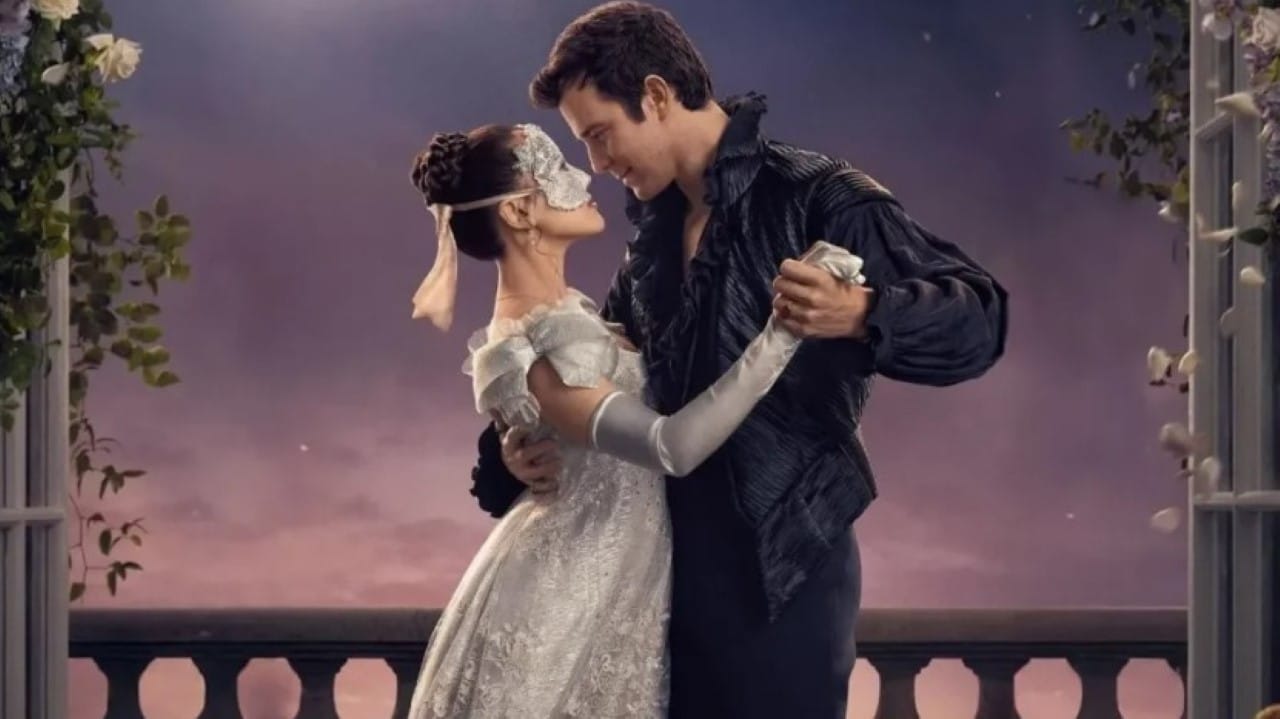
The fourth season of Bridgerton, released by Netflix, recorded the biggest ratings split ever seen for the series on Críticos gave an average score of 71%, while the public scored 54%, configuring the biggest gap in relation to previous seasons. The plot focuses on Benedict Bridgerton, played by Luke Thompson, and his relationship with Sophie Baek, played by Yerin Ha, in a narrative inspired by the story of Cinderela.
The first episodes of the season adapt the book “A Perfect Gentleman”, by Julia Quinn, and were initially released as a single part. The difference in perceptions highlights production challenges in meeting the expectations of longtime fans. Debates emerged especially about the pacing of the story and the development of secondary characters.
The series maintains characteristic elements, such as masked balls and social intrigues in 19th century English high society. The choice of Benedict as the protagonist meets the demands of readers of the literary saga. The divided reception reflects variations in the balance between main romance and subplots.
Plot focuses on Benedict and Sophie
Benedict Bridgerton searches for meaning in his artistic and personal life throughout the episodes. Ele encounters a mysterious woman at a masquerade ball, identified as Lady in Silver. Essa interaction begins a romantic journey marked by social differences and family secrets.
The narrative explores themes of identity and acceptance, with Sophie representing layers of vulnerability. The chemistry between the protagonists receives praise in initial reviews. Elementos classics from the series, such as the voice of Lady Whistledown, remain present to connect previous arcs.
Critics’ reviews highlight successes
Critics point out the fidelity to the original material as the season’s strong point. The fairytale approach makes for compelling romantic moments. Analistas highlight Luke Thompson’s performance by conveying Benedict’s emotional nuances.
Some reviewers consider the initial episodes promising for future development. The visual direction, with elaborate costumes and sets, maintains the aesthetic standard of the production. Esses aspects support the moderate approval recorded.
- Chemistry between Benedict and Sophie pleases with its naturalness;
- Fidelity to the book pleases fans of the literary work;
- Ball scenes maintain the series’ signature glamour;
- Social subplots add depth to the historical context.
Public opinions reveal dissatisfactions
Part of the public expresses frustration with the slower pace compared to past seasons. Críticas frequently mention underdeveloped secondary subplots. Alguns viewers consider that the excessive focus on the central romance harms other arcs.
The high expectations surrounding the story of Benedict, one of the favorites in the books, amplify the divisions. Comentários highlight a lack of progress in certain family intrigues. Essa perception contributes to the lower rating given by the audience.
Comparison with previous seasons
Previous seasons featured more even receptions in the Rotten Tomatoes. The first and third achieved 87% in both categories. Já the second was 78%, marking the lowest rate so far.
The current split surpasses all previous gaps in the series. Essa variation indicates changes in the production’s narrative approach. The piecemeal release strategy also influences early assessments.
The series continues to attract millions of global views despite criticism. Dados of engagement shows maintenance of popularity on the platform.
Production elements and cast
Luke Thompson takes on the central role with an interpretation praised by critics. Yerin Ha debuts as Sophie and receives attention for the character’s representation. The main duo sustains much of the romantic appeal.
Costumes and ambiance reinforce the characteristic Regency style. The soundtrack, with orchestral arrangements, complements key scenes. Esses technical components contribute to visual immersion.
Differences from the original book
The adaptation maintains the main structure of the novel by Julia Quinn. Alterações in subplots aim to integrate recurring character arcs. Fãs note adjustments to meet the dynamics of the television series.
These modifications generate debates about fidelity versus creativity. The production balances literary elements with demands for continuity. Resultados vary depending on viewers’ individual expectations.
The story of Benedict in the books is considered one of the most beloved. Translation for screen seeks to capture emotional essence. Opiniões differ on the success of this transition.
Repercussion on social media
Intense debates take place on online platforms about the episodes. Fãs are divided between praise for the novel and criticism of the pacing. Hashtags related to the season appear in global trends.
Comments highlight specific scenes of balls and dates. Parte from the audience defends the more intimate approach. Outros prefer the dynamism of early seasons.
Perspectives for future episodes
Remaining episodes may alter overall perceptions of the season. Desenvolvimentos promised in secondary subplots attract attention. The production maintains a tradition of impactful resolutions.
The series plans sequels based on other books in the saga. Interessa observe how current reception influences future advertisements. Netflix monitors audience indicators for strategic decisions.
The narrative of Benedict and Sophie has potential for growth. Elementos introduced prepare the ground for greater conflicts. Expectativa remains high among loyal viewers.



