
Daniel Vorcaro asserts political connections would negate 2025 ankle monitor and BRB deal denial

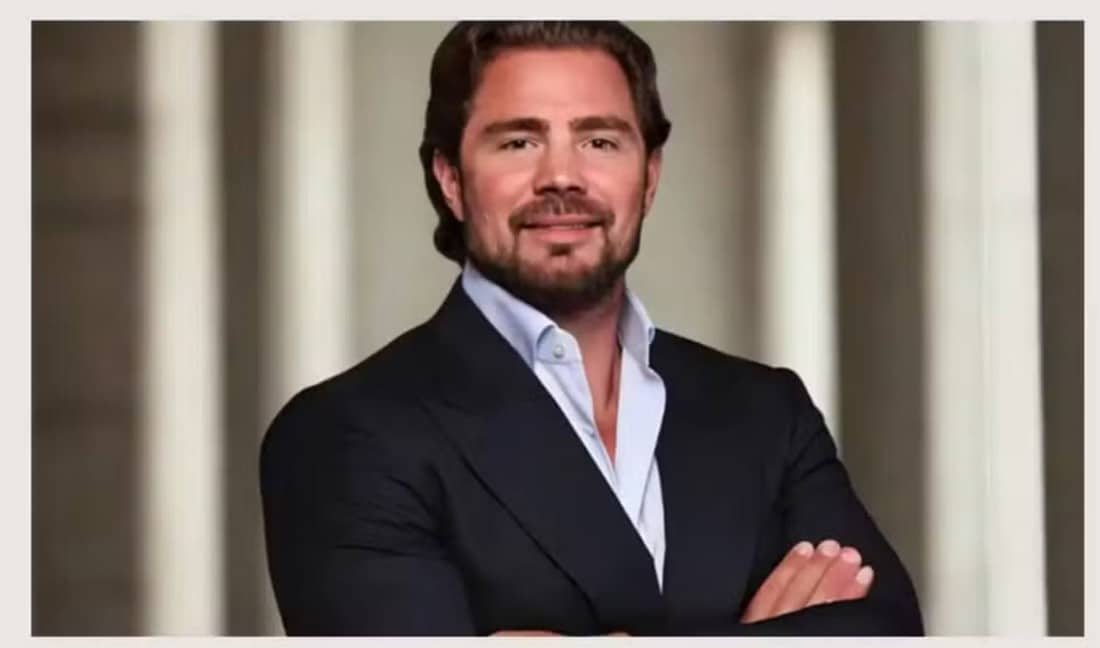
Daniel Vorcaro, the owner of Banco Master, contended during a December 2024 confrontation with the Federal Police (PF) that any significant political influence he possessed would have prevented his current legal predicament. Specifically, Vorcaro argued that such connections would have ensured the approval of his institution’s business dealings with the Banco Regional de Brasília (BRB) and, crucially, would have kept him from wearing an electronic ankle monitor in 2025, a condition imposed following his arrest. His statements underscore a defense strategy aimed at discrediting accusations of undue political facilitation in his financial operations, despite admitting to meetings with high-ranking officials regarding the BRB transaction.
Vorcaro’s assertions come after a period of intense scrutiny by federal authorities regarding Banco Master’s operations and its attempted acquisition by BRB. His arrest and subsequent release under strict conditions have placed the spotlight squarely on the transparency of interactions between private financial institutions and state-controlled banks.
The ongoing investigation has brought to light various aspects of the dealings:
– Accusations of political influence in business facilitation.
– Denial of these accusations by Vorcaro himself.
– The mandated use of an electronic ankle monitor as a condition of his release.
Vorcaro’s Defense During Police Confrontation
During the December 2024 acareação with the Federal Police, Vorcaro faced direct questions from delegate Janaina Palazzo regarding his alleged “political relations.” Palazzo specifically inquired whether any of his political associates had attempted to facilitate the BRB deal or if he had contacted the governor of Brasília directly. Vorcaro used this opportunity to vehemently deny such claims, presenting his current circumstances as proof against the accusations.
He articulated his position by stating that if he indeed possessed the extensive political connections being suggested, the BRB operation would not have been denied. Furthermore, he emphasized that he would not have been arrested, nor would he be subjected to wearing an ankle monitor in 2025, highlighting the personal suffering his family has endured as a direct consequence of the legal proceedings. This serves as a central pillar of his defense, aiming to paint a picture of an individual facing legal challenges without the protection of political allies.
The Arrest and Post-Release Conditions in 2025
Vorcaro’s legal troubles escalated significantly with his arrest on November 17, 2025. Federal Police apprehended him at Guarulhos International Airport as he was preparing to board a flight to Dubai, reportedly to finalize new business ventures. This high-profile arrest marked a critical turning point in the investigation into Banco Master.
Following his detention, Vorcaro was transported to a cell at the PF superintendence, remaining in custody for nearly two weeks. He was eventually released on November 29, 2025, a decision that came with the mandatory imposition of an electronic ankle monitor. This condition restricts his movement and serves as a constant reminder of the ongoing judicial process.
Meetings with Brasília Governor Confirmed
Despite his strong denials of political facilitation, Vorcaro acknowledged having met personally with the Governor of the Federal District, Ibaneis Rocha (MDB), on several occasions. These meetings reportedly concerned the potential acquisition of Banco Master by the BRB. Vorcaro maintained that while these interactions occurred, they were purely technical in nature.
He asserted that no form of political facilitation took place during these discussions. Vorcaro explained that he met with the governor because Rocha was the direct controller of BRB, making direct communication a necessary part of the business process. The banker’s statements aim to separate formal engagement with public officials from illicit influence peddling.
Broader Context of Banco Master’s Challenges
The controversy surrounding Banco Master and its dealings with BRB is set against a backdrop of wider concerns within the financial sector. Reports indicate that BRB itself had previously suggested that Vorcaro divest his stake in Banco Master, signaling potential apprehension about the proposed partnership and his involvement.
Moreover, a director from the Central Bank has drawn parallels between the Banco Master case and that of Cruzeiro do Sul, implying structural similarities or regulatory issues that merit close examination. An former BRB president also reportedly admitted knowledge that Banco Master faced a risk of potential collapse, adding another layer of complexity to the attempted acquisition. These interconnected issues highlight a broader scrutiny of financial institutions and their stability.
Contradictions and Technical Discussions
In another segment of the acareação, Vorcaro and the former BRB president presented conflicting accounts regarding the origin of certain banking portfolios. These discrepancies form a crucial part of the ongoing investigation, as they could shed light on the nature and transparency of the assets involved in the proposed deal. The PF is meticulously examining these contradictions to ascertain factual accuracy and determine potential implications.
Vorcaro consistently reiterated that his engagements with public officials, including Governor Rocha, were strictly professional. He stressed that discussions remained focused on technical aspects relevant to the BRB acquisition. This insistence on technicality aims to counter any narrative suggesting backroom deals or quid pro quo arrangements, asserting that all interactions were within appropriate ethical and legal boundaries.
Ongoing Scrutiny and Financial Stability
The Banco Master case continues to be a subject of intense public and regulatory scrutiny in 2025. The implications of the Federal Police investigation extend beyond Vorcaro himself, touching upon the governance and stability of financial institutions involved in dealings with state-controlled entities. The focus remains on ensuring transparency and adherence to regulatory frameworks, which are critical for maintaining public trust in the financial system.
The revelations from the acareação, combined with the context of Vorcaro’s arrest and ongoing monitoring, underscore the commitment of authorities to probe allegations of financial misconduct rigorously. This ongoing scrutiny is a testament to the complex interplay between finance, politics, and law, as regulatory bodies work to uphold integrity across sectors.
Future of Financial Oversight
This particular case highlights the complexities inherent in large-scale financial transactions involving public and private sectors, emphasizing the need for robust oversight mechanisms and clear ethical boundaries for all parties involved, ensuring accountability and preventing future impropriety.


