Leaked Capcom data reveals graphical techniques for Monster Hunter Wilds to run on Nintendo Switch 2
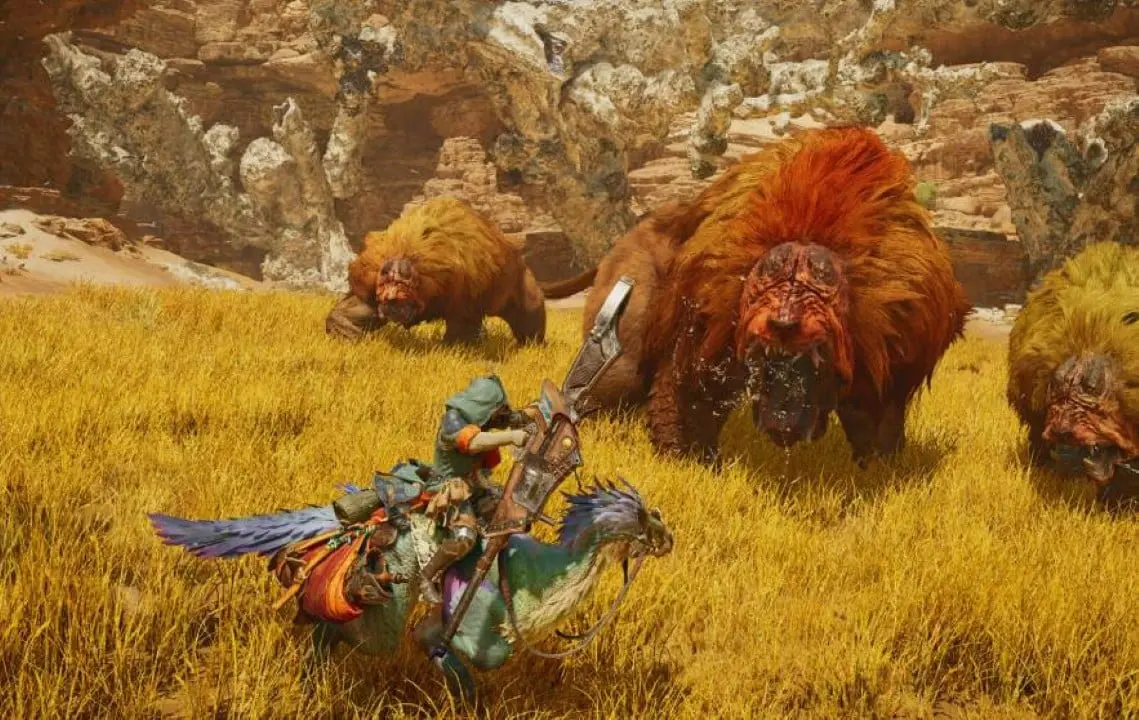
New unofficial information about the highly anticipated Monster Hunter Wilds has surfaced on the internet, detailing supposed graphical optimization strategies for a version destined for the Nintendo Switch 2. An alleged leak of internal data from The information, although unconfirmed, offers a fascinating glimpse into the adaptation work for different platforms.
The leaked material points to a considerable effort by Capcom to leverage the scalability of its proprietary graphics engine, RE Engine, to make the project viable on the new hardware. The existence of a version for the successor to Switch is still treated as speculation, but the technical details present in the documents reinforce the possibility of a wider multiplatform launch. The company has not issued any official statement about the veracity of the information or about a possible version of the game for the console.
The gaming community received the details with a mixture of enthusiasm and caution, awaiting an official statement from Capcom or Nintendo. If confirmed, the data indicates advanced planning to bring one of today’s biggest franchises to the Nintendo ecosystem from the beginning of its new cycle. The main discussion revolves around how the gaming experience will be preserved on hardware with specifications different from those of other platforms.
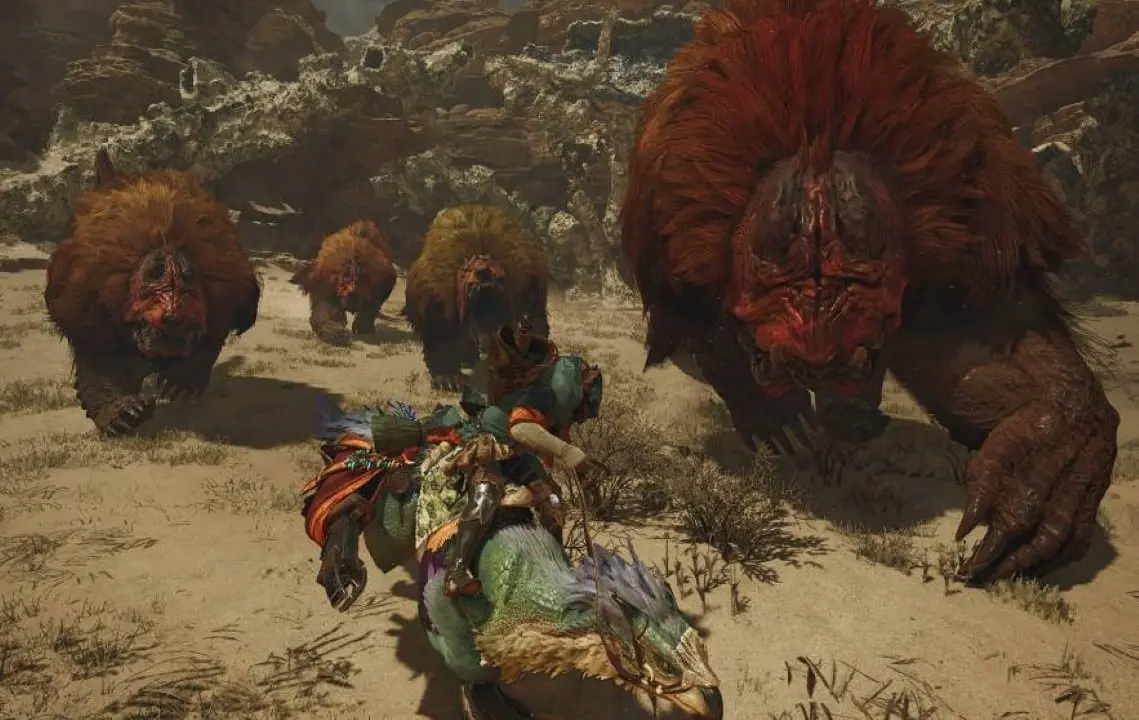
Optimization techniques detailed in the leak
According to the leaked documents, one of the main tools for adapting Monster Hunter Wilds would be a feature called “FastLoadMode”. Essa functionality was designed to speed up the loading of textures and scenery elements, minimizing wait times, a key aspect for fluid gameplay on a console with portable capabilities. Implementing such a mode would be essential to managing the vast open-world environments promised for the new game, allowing for smoother transitions between different areas without excessively compromising the system’s overall performance.
Other strategies mentioned include the aggressive use of Nível, Detalhe (LOD) and Oclusão Ambiental (Occlusion Culling) systems. The LOD technique dynamically adjusts the complexity of 3D models based on distance from the player, rendering distant objects with fewer polygons to save processing resources. Já o
The expected performance on the new Nintendo console
Information suggests that the visual performance of Monster Hunter Wilds on Switch 2 would be comparable to the “low” to “medium” settings of the PC version. Essa equivalence is a clear indication of the developers’ focus on prioritizing gameplay and fluidity over maximum graphical fidelity on the Nintendo hardware, a common approach in ports for the platform.
Learn more: Unreleased leak details how Capcom adapts Monster Hunter Wilds to Switch 2
Although the documents do not specify resolution and frame rate targets, the expectation is that the game will strike a balance to ensure a consistent experience in both handheld and docked mode. The main objective would be to avoid sudden drops in performance that could harm the precision required in the series’ signature combats.
It’s important to note that these technical adjustments are standard practice in the gaming industry for cross-platform releases. The ability to adapt the same title to hardware with different power levels is what allows major releases to reach a wider audience, and Capcom has demonstrated great competence in this regard with RE Engine.
The success story between Capcom and Nintendo
The possibility of Monster Hunter Wilds reaching Switch 2 is strengthened by the long and successful history of collaboration between Capcom and Nintendo. The most notable example is Monster Hunter Rise, which was initially developed as an exclusive for Nintendo Switch and became one of the platform’s best-selling games.
The success of Rise demonstrated RE Engine’s ability to adapt to more restrained hardware, delivering a visually stunning experience with excellent performance. The expertise acquired by the development team during this project is, without a doubt, a valuable asset for the optimization of future titles.
More on this story: Invasion of Capcom servers exposes Resident Evil calendar until 2028
See Also



In addition to the Monster Hunter series, Capcom also brought other important games to the Switch, including several titles in the Resident Evil franchise. Essa constant presence in the console catalog reinforces the strategic partnership between the two Japanese companies.
This business relationship has proven to be extremely profitable for both sides, cementing Monster Hunter’s fanbase on the hybrid console and ensuring Nintendo a constant stream of high-quality content from one of the largest developers in the world.
The flexibility of the RE Engine graphics engine
RE Engine, Capcom’s internal graphics engine, is the pillar that supports the technical feasibility of a project like this. Desde made its debut with Resident Evil 7, the engine became known not only for its ability to generate photorealistic visuals, but mainly for its remarkable scalability. Essa feature allows developers to create games that can run on a wide range of devices, from high-end PCs to handheld consoles, without the need to rebuild the game from scratch for each platform. RE Engine’s design philosophy is what makes adapting a demanding title like Wilds a concrete possibility. Suas tools allow teams to efficiently adjust texture quality, shadow resolution, model complexity, and post-processing effects to meet hardware-specific performance goals, ensuring the essence of the gaming experience is maintained across all versions.
On the same topic: Digital Foundry analysis suggests possible port of Crimson Desert for Switch 2 with technical sacrifices
Possible scenarios for the game’s launch
If the leak is accurate, it indicates that Capcom may be planning a release of Monster Hunter Wilds on Switch 2 in a window close to that of other platforms. A simultaneous launch or a few months apart would be an aggressive strategy and a great asset for the initial catalog of the new Nintendo console.
However, it is essential to reiterate that all this information requires official confirmation. The release of Monster Hunter Wilds is officially scheduled for 2025 on PlayStation 5, Xbox Series X|S and PC, and any mention of other platforms remains in the field of speculation until a formal announcement.
Repercussion among fans of the series
The news quickly spread across online forums and social media, generating a wave of optimism among Nintendo players. The prospect of being able to play the next big evolution of the Monster Hunter franchise on a handheld device is one of the biggest draws for a significant portion of the fanbase, who value the flexibility offered by the hybrid format.
What the leak means for the future
Developing a version of Switch 2 would position Monster Hunter Wilds to reach a massive audience upon its release. Capcom’s strategy appears to be to consolidate the franchise as a global phenomenon, accessible on all major gaming platforms on the market.
Confirmation of such a version would not only reinforce the power of the Monster Hunter brand, but would also serve as a strong show of support from a major third-party developer for the new Nintendo hardware, signaling a promising future for the console.
More on this story: Invasion of Capcom servers exposes the future of the Resident Evil saga until 2028