
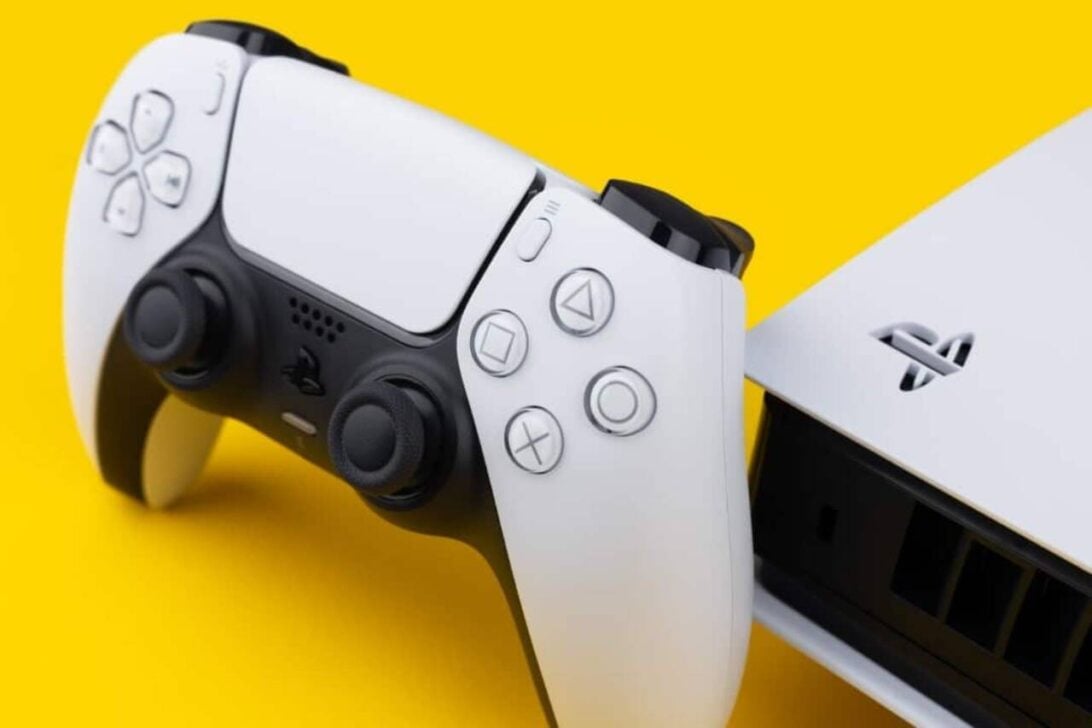
A new patent filing by Sony Interactive Entertainment has sparked debate about the future of the PlayStation ecosystem, suggesting that the next generation of the console, tentatively called the PlayStation 6, may finally solve one of fans’ biggest desires: complete backwards compatibility with all previous generations, including the PlayStation 3.
The document details a complex system designed to emulate older hardware on modern processors, specifically addressing the difficulties presented by unique architectures like the PS3. If implemented, the technology would allow a vast library of games, spanning more than three decades of history, to be accessible on a single device.
The possibility of unifying the catalog from PS1 to PS5 in a future PS6 represents a significant strategic move by the company, which seeks not only to preserve its legacy, but also to strengthen player loyalty and compete more directly with backwards compatibility solutions already established on the market.

The challenge of the PlayStation 3’s Cell architecture
The biggest obstacle to full backwards compatibility on modern Sony consoles has always been the exclusive architecture of the PlayStation 3. Lançado in 2006, the console was equipped with the Cell Broadband Engine processor, a piece of engineering developed in partnership with IBM and Toshiba. Sua structure was radically different from the x86-64 architecture, which became the standard for the PlayStation 4, PlayStation 5, and most personal computers.
The Cell processor had a main processing core (PPE) and multiple synergistic cores (SPEs), a configuration that, although powerful for its time and capable of performing complex parallel calculations, was extremely difficult to program. Essa complexity resulted in an almost insurmountable technical barrier for native emulation on later hardware, forcing Sony to opt for cloud streaming solutions to offer PS3 games on the PlayStation Plus service, a functional alternative, but dependent on a stable and latency-prone internet connection.
Technical details revealed in the new patent
Newly discovered documentation describes methods for overcoming barriers imposed by legacy processors. The core approach appears to involve synchronizing multiple cores of a modern processor to simulate the behavior of the PS3’s Cell processor, allowing game software to run as if it were on the original hardware.
Essentially, the system proposed by Sony aims to “trick” PS3 games into believing they are running in a native environment. Isso would eliminate the need for streaming and allow titles to run directly on the console, opening the door to potential performance improvements such as higher frame rates and improved resolutions.
The patent also mentions emulation of other hardware components, which suggests a comprehensive solution. If successful, this technology would not only solve the PS3 problem, but also simplify playing PS1 and PS2 games by consolidating the entire PlayStation library onto a unified platform.
The importance of preserving digital games
The discussion around backwards compatibility goes beyond convenience, touching on a crucial point for the industry: preserving the history of video games. Títulos that defined generations and shaped pop culture are at risk of becoming inaccessible as original hardware becomes obsolete and physical media degrade. A robust backwards compatibility solution, like the one suggested by the patent, turns the console into a true interactive archive, allowing new players to discover classics like `Metal Gear Solid 4`, the original `Demon’s Além Furthermore, unifying the library adds immense value to the ecosystem, encouraging users to stay on the platform knowing that their investments in digital and physical games will be protected and transferred to future generations of hardware. Este movement reflects a growing maturity in the industry, which is beginning to treat its historical catalog with the same importance that cinema and music treat theirs.
How backwards compatibility currently works
Currently, the PlayStation ecosystem offers different levels of access to older games. The PlayStation 5 has almost complete backwards compatibility with the PlayStation 4 catalogue, allowing the vast majority of games from the last generation to run natively, often with performance improvements through the Game Boost mode.
For older generations, the solution is linked to the PlayStation Plus Deluxe subscription service. Assinantes have access to a selected catalog of PS1, PS2 and PSP classics, which can be downloaded and played directly on PS4 and PS5. However, PS3 games are the big exception, being only available via cloud streaming, which prevents players in regions without support for the service or with unstable internet connections from accessing them.
Sony’s strategy against the competition
Sony’s initiative can be seen as a direct response to Microsoft’s successful approach with Xbox. Desde o Xbox One, the company has invested heavily in a backwards compatibility program that allows hundreds of games from the original Xbox and Xbox 360 to run on modern consoles, often with automatic improvements such as HDR and increased resolution.
This strategy has become one of the pillars of the Xbox ecosystem, being widely praised by players and critics. By offering easy access to a vast catalog of games, Microsoft not only preserves the value of its players’ library, but also strengthens the value proposition of its Game Pass service.
For Sony, achieving parity in this regard is essential for long-term competition. A PlayStation 6 with full backwards compatibility would neutralize one of Xbox’s main competitive advantages and reinforce the brand’s image as the definitive place to play, covering past, present and future.
Unifying all generations on a single console would simplify the user experience and create a more cohesive and compelling ecosystem, solidifying the loyalty of its fan base and attracting new consumers who value access to a historic gaming legacy.
Mark Cerny’s role in the future of the console
Although not named directly in the patent, systems architect Mark Cerny, the central figure behind the development of the PS4 and PS5, is known for his philosophy of creating smooth transitions between generations. Sua influence likely permeates the research and development of solutions like this, which aim to unify and strengthen the PlayStation ecosystem for the future.
What to expect at the launch of the PlayStation 6
It is crucial to emphasize that registering a patent does not guarantee the implementation of the technology in a final product. Empresas of technology often register patents to protect ideas and internal research that may or may not be used. However, the document offers a clear glimpse of the direction Sony is exploring for its next generation of consoles.
Market analysts speculate that the PlayStation 6 could be launched between 2027 and 2028. If full backwards compatibility technology materializes, the console would hit the market with a powerful differentiator, presenting itself not only as a hardware leap, but as the definitive platform for the entire history of the PlayStation brand.